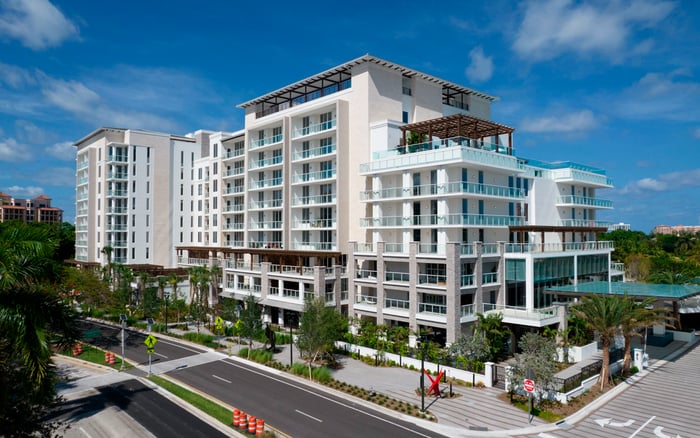
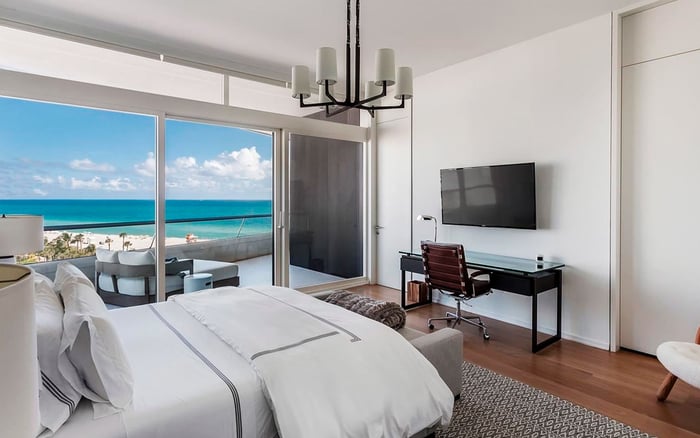
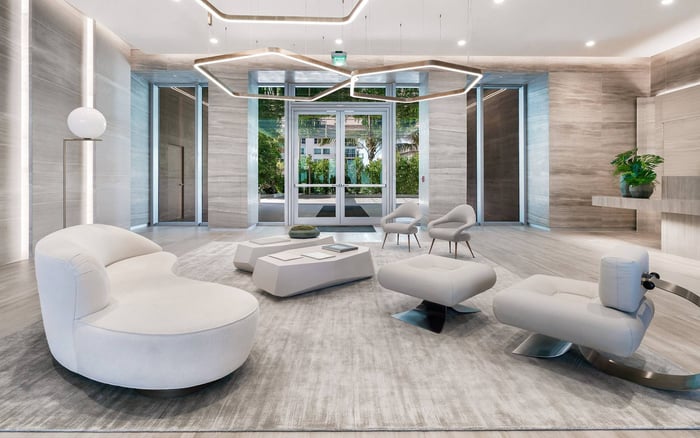
A waterfront closing requires more than reviewing the residence. Buyers should trace marine-asset ownership, permits, engineering, reserves, dredging duties, and insurance deductibles before committing.
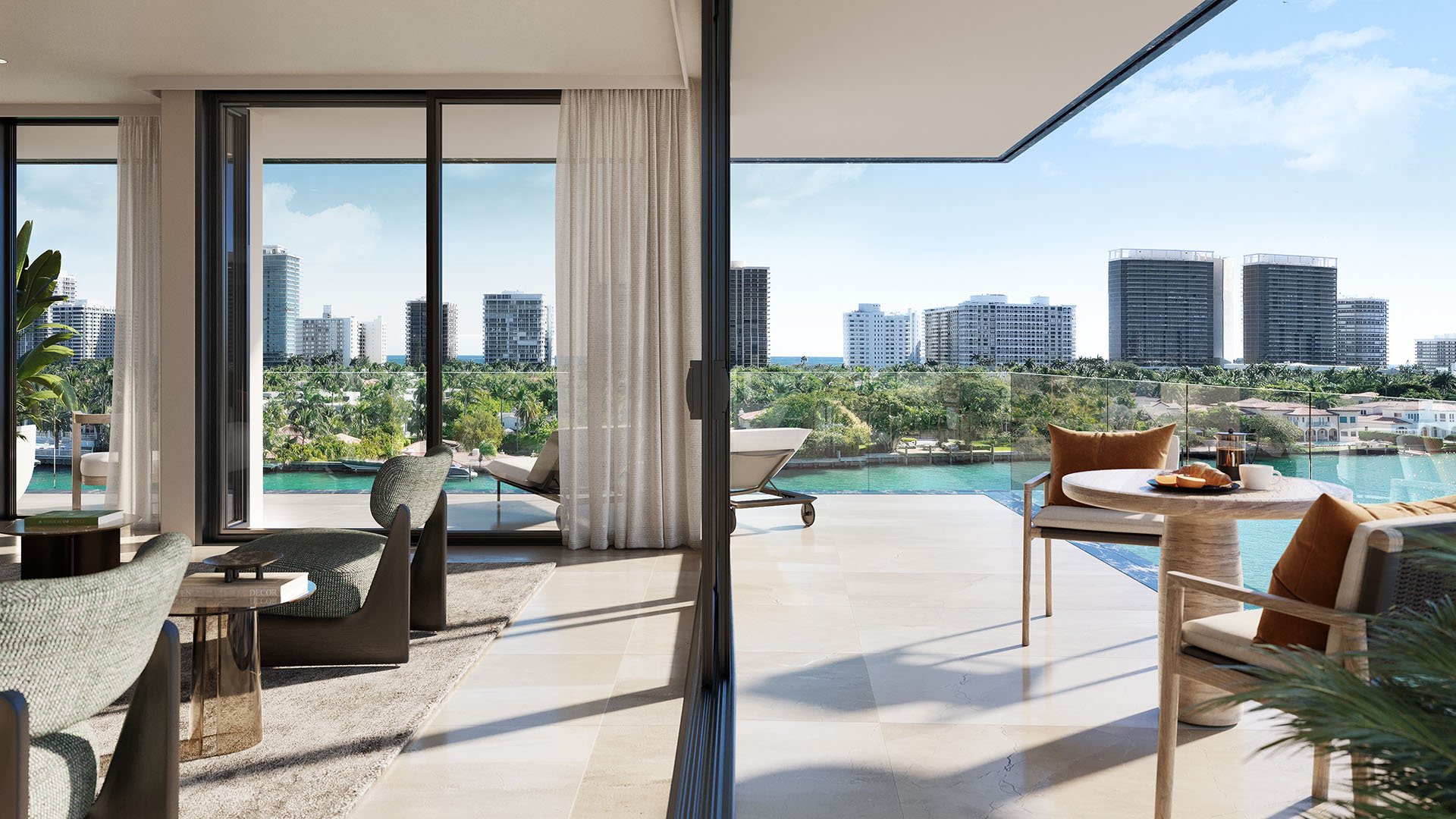
An oceanfront condominium purchase in Boca Raton is partly an acquisition of views and lifestyle. It is also an indirect financial interest in the infrastructure between the building and the water. A seawall, dune feature, dock, drainage system, revetment, or boardwalk may shape future assessments as meaningfully as a roof or façade project.
This distinction matters across the waterfront market. Whether evaluating Glass House Boca Raton or comparing other local opportunities, the central question is not simply whether the marine infrastructure appears well maintained. It is who owns it, who must maintain it, what work has been completed, and how the next project will be funded. For an investment or resale purchase, those answers belong in the closing file-not in a verbal assurance.
The shoreline is both an amenity and a long-term capital obligation.
Florida condominium law generally assigns responsibility for maintaining, repairing, and replacing common elements to the association. The declaration can alter the practical result when an asset is a limited common element and maintenance is assigned to one or more unit owners.
Ask counsel to classify every relevant component individually. The seawall, revetment, dock, dune feature, drainage system, boardwalk, boat lift, and any seaward extension should each be identified as a common element, limited common element, or owner responsibility. Do not assume physical proximity to a residence determines legal responsibility.
Next, trace the allocation of expenses. Shoreline work may be treated as a common expense, charged to users of a limited common element, or assessed against designated units. Buyers comparing Alina Residences Boca Raton with other condominium formats should apply the same discipline: read the declaration, amendments, rules, and schedules together, then obtain written clarification of any ambiguity.
Request all open and closed permits involving seawalls, docks, and marine structures for at least the past five years, together with surveys, inspection records, contractor information, and engineering reports. Structural seawall work and most dock projects generally require permits and appropriately licensed marine contractors. An attractive finished condition does not establish that the work was approved or properly closed.
Boca Raton's process can require a zoning location survey, a final marine-structure survey, and a final engineer report when work includes both seawalls and marine structures. New or replacement seawalls generally require a top elevation of at least 4.0 feet and no more than 6.0 feet NAVD88. The relevant question is whether the existing condition and any completed work correspond with the applicable approvals.
Commission a current marine-engineering assessment if the association's material is dated, narrow in scope, or prepared for a different project. The assessment should address seawall elevation, structural condition, drainage, tiebacks, caps, joints, docks, settlement, and scour. Ask the engineer to distinguish routine maintenance from near-term capital work and emergency exposure. The same level of document scrutiny is appropriate when considering The Residences at Mandarin Oriental Boca Raton or any coastal condominium.
For a property adjoining a canal or channel, establish whether the association has a dredging obligation. Request the date and scope of the last dredging, applicable permits, maintenance history, current depth concerns, and written allocation of future costs. Determine whether responsibility is shared among all units, limited to dock users, or governed by another arrangement in the condominium documents.
Dredging can intersect with access, permitting, timing, and capital planning. If boating is part of the purchase rationale, ask whether slips, docks, or lifts carry separate approval and maintenance requirements. Any planned owner alteration may require association consent, permits, inspections, and engineering. A marina lifestyle does not remove these procedural layers.
Ask whether the association has a funded shoreline-resilience plan covering higher seawalls, tidal flooding, storm surge, drainage improvements, and emergency marine repairs. A conceptual discussion is not equivalent to an adopted scope, budget, schedule, and funding mechanism.
Determine whether marine infrastructure appears in the reserve study or a separate capital plan. Also verify current compliance with Florida's structural-inspection and reserve requirements. Building and shoreline obligations should be viewed together: concurrent façade, balcony, roof, drainage, or seawall work can strain cash flow even when each project is independently justified.
Read the minutes closely. They may reveal engineering concerns, bids, owner disagreement, or proposed projects before a formal assessment appears. When evaluating Mr. C Residences Boca Raton alongside established properties, insist on the same forward-looking questions rather than relying on presentation alone.
The association's property coverage should address condominium buildings, common elements, and association property based on replacement cost. Request the master policy declarations, current replacement-cost appraisal, limits, exclusions, named-storm provisions, and complete deductible schedule. The independent appraisal supporting replacement cost must be updated at least every 36 months.
Then distinguish wind and property coverage from flood coverage. Standard association property and condo-owner policies generally exclude flood damage, so verify separate federal or private flood coverage for both the building and the unit. Florida law permits associations to obtain flood insurance but does not impose the same general statutory mandate that applies to association property insurance. A lender or a location in a designated special flood-hazard area may still require it.
Review the proposed HO-6 policy against the declaration and lender conditions. It typically addresses interior improvements, personal property, liability, and possible loss-assessment exposure, but the precise boundary of responsibility varies. Ask the insurance adviser to identify any gaps between the master policy and owner coverage.
Coastal hurricane deductibles can commonly equal 2% to 5% of insured value. The decisive question is how the association would fund that deductible after a major storm. Request the planned source-whether reserves, operating cash, credit, or an assessment-and test the owner's HO-6 loss-assessment limit against that scenario. Also examine liability, fidelity, and Directors & Officers limits, including exclusions that could affect seawall, dock, dredging, or marine-construction claims.
Review at least ten years of special assessments, association loans, insurance claims, and board minutes involving seawalls, drainage, dunes, docks, roofs, façades, balconies, and storm repairs. The record reveals not only what failed, but also how promptly the board responded and how owners funded that response.
Reconcile those records with current reserves, outstanding contracts, pending claims, and approved or discussed coastal projects. Request written disclosure of work under consideration even when no assessment has been adopted. Even the strongest buyer's guides cannot replace this property-specific review.
Before the inspection period ends, assemble a coordinated review by condominium counsel, a marine or structural engineer, and insurance professionals. The file should resolve ownership, maintenance duties, permit status, physical condition, dredging exposure, capital planning, policy limits, exclusions, deductibles, and owner coverage.
A pristine interior and open-water outlook remain compelling, but neither answers who pays when the shoreline requires intervention. The sophisticated buyer closes only after converting each waterfront promise into a document, each physical concern into an expert opinion, and each potential expense into a defined funding path.
For discreet guidance on Boca Raton luxury real estate, connect with MILLION.
If branded residences are on your mind — as a home or as an allocation — we would be glad to share what we are seeing, privately.
Begin a quiet conversationThe association generally maintains common elements, but the declaration may assign limited-common-element maintenance to particular owners. The seawall's legal classification must be confirmed.
Confirm responsibility for each seawall, revetment, dock, dune feature, drainage system, boardwalk, boat lift, and seaward extension.
Request at least five years of open and closed seawall, dock, and marine-structure permits, plus related surveys, inspections, and engineering reports.
It should address elevation, structural condition, drainage, tiebacks, caps, joints, docks, settlement, and scour.
Obtain written confirmation of the association's obligation, the last dredging date, applicable permits, current concerns, and how future costs will be allocated.
The plan should address higher seawalls, tidal flooding, storm surge, drainage improvements, and emergency marine repairs, with funding and timing defined.
The independent appraisal supporting association property coverage must be updated at least every 36 months.
No. Standard association property and condo-owner policies generally exclude flood, so separate federal or private flood coverage should be verified.
Coastal hurricane deductibles can commonly equal 2% to 5% of insured value, potentially creating a significant association funding need after a storm.
Review at least ten years of special assessments, loans, insurance claims, and board minutes involving shoreline, structural, drainage, and storm-repair projects.