A Key Biscayne closing should test more than finishes and views. For seasonal families, school logistics, admissions timing, lawful backup power and household-employment risk can determine whether a residence functions as elegantly as it presents.
A seasonal residence in Key Biscayne can appear effortless: proximity to the water, a measured village atmosphere and direct access to mainland Miami. Yet the quality of ownership often rests on less visible systems. A school run that seems reasonable at midday may look materially different during drop-off. A generator may be present without the documentation or capacity the household expects. Domestic staff may arrive through several employment arrangements, each carrying distinct insurance considerations.
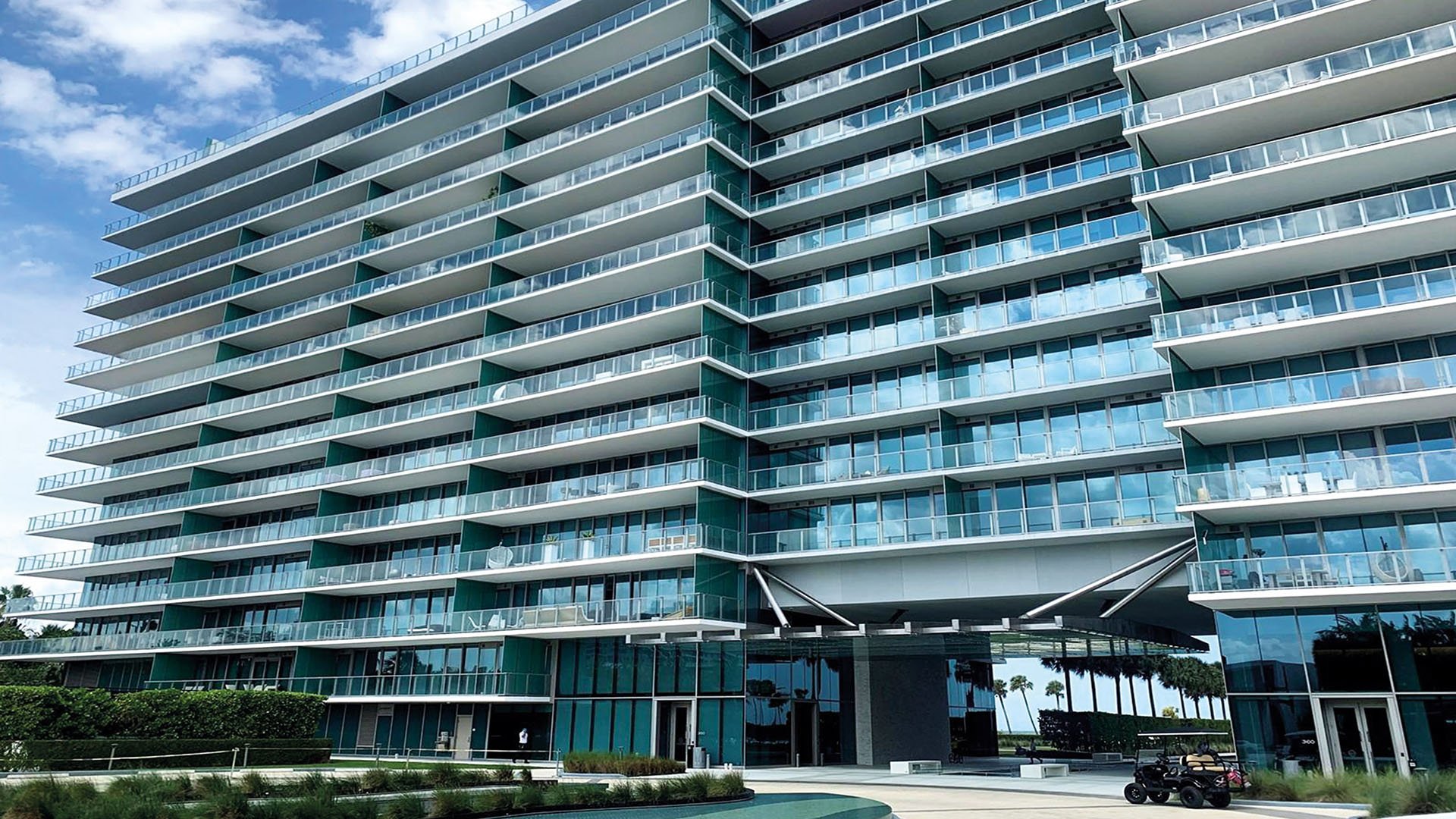
The objective is not to complicate the closing. It is to establish, before funds transfer, whether the residence can support the family’s actual calendar. This applies to a condominium such as Oceana Key Biscayne as much as to waterfront homes, although backup-power options and association controls may differ significantly.
The finest seasonal residence is one whose daily systems have been tested before arrival.
Begin with the local option. Key Biscayne K-8 Center is at 150 W. McIntyre Street, allowing some families to avoid a mainland commute. For other schools, drive ranges should be treated as planning bands, not promises. Estimated trips to Ransom Everglades range from 14 to 30 minutes for its Coconut Grove middle-school campus and 18 to 40 minutes for the upper-school campus. St. Stephen’s is estimated at 18 to 35 minutes, while Carrollton is approximately 20 to 40 minutes.
Longer corridors merit closer scrutiny. Gulliver’s Coral Gables and Pinecrest campuses are estimated at roughly 25 to 60 minutes, depending on campus and traffic. St. Thomas is estimated at 25 to 55 minutes, Riviera Preparatory at 28 to 60 minutes, Westminster Christian at 30 to 65 minutes and Miami Country Day at 28 to 60 minutes.
Drive each likely route during actual morning arrival and afternoon dismissal. Repeat the trip on more than one weekday, noting causeway entry, campus queueing and the return journey. Families comparing island ownership with Park Grove Coconut Grove or The Village at Coral Gables should assess the complete weekly schedule, including siblings on different campuses, early dismissals, practices and evening events.
Route 26 connects Key Biscayne and Brickell Station through the Rickenbacker Causeway on weekdays and weekends, but it is not school-specific transportation. Miami Country Day’s network includes Key Biscayne, with morning, after-school and post-club or sports service for the academic year. Full-year pricing is listed at $4,000 round trip or $2,500 one way, subject to current pricing and route availability. Private shuttle service is also available for island residents attending mainland schools. In every case, confirm the exact pickup point, supervision, late-activity coverage, holiday schedule and contingency plan when service is interrupted.
Private-school planning often begins 10 to 12 months before enrollment. Many applications for the 2026-2027 year were due in January, with deposits commonly required within one or two weeks of acceptance. The deadline for Miami-Dade magnet programs and select high-interest VPK programs was January 15, 2026. These dates illustrate why a late-spring or summer purchase can collide with a school calendar already well advanced.
The 2026-2027 public-school year began for students on August 13, 2026, and is scheduled to end June 3, 2027. Before closing, ask each school directly about current space, waitlist position, transfer requirements, midyear entry and the documents required to complete enrollment. Also determine whether a seasonal occupancy pattern affects attendance expectations or transportation eligibility.
A private-school acceptance should not be assumed from a real-estate timeline, nor should a deposit be delayed while negotiations continue. Ideally, counsel and the family office maintain parallel checklists for the residence, school contract and transportation. For buyers also considering Una Residences Brickell, compare the island’s lifestyle advantage with the daily certainty of the selected campus commute-not merely with straight-line distance.
For estates and single-family properties, request the permit, approved plans, final inspection, transfer-switch documentation, fuel information, service history and rated load. A permanently installed outdoor generator requires a county building permit, with plans identifying its location, nearby structures, distances from property lines and permanent fuel tanks. Key Biscayne zoning requires generators to be at least five feet from property lines, screened on all sides and fueled by natural gas or propane.
Ask the seller to demonstrate precisely what the system supports. Essential refrigeration, air conditioning, pumps, communications, security and medical equipment can create a very different load profile from a few selected circuits. The generator should be tested before hurricane season, not first encountered during an outage. Confirm fuel arrangements, maintenance responsibility and the household’s written outage procedure.
Condominium and townhome buyers face a separate threshold question. Key Biscayne zoning prohibits temporary or portable generators on multifamily, condominium and townhome properties. A portable unit avoids the county building-permit requirement only when it directly powers a few appliances and is not connected to the home’s electrical system, but that distinction does not override the local prohibition for these property types. Review association documents and building systems to establish which common-area or in-unit loads receive power, for how long and under whose control.
A second home often depends on a residence manager, housekeeper, cook, chauffeur, gardener or occasional worker. First, identify who employs each person: the owner, a family entity, a staffing agency or an independent business. Classification should reflect the actual working arrangement, not simply the label on an invoice.
Florida’s workers’ compensation framework does not include domestic workers under the standard state rule, although voluntary compensation coverage may be added by endorsement. A threshold of four or more full- or part-time employees can affect household-employer obligations. Because staffing structures vary, the owner should have insurance counsel and a broker review workers’ compensation, employment-practices liability, personal or commercial auto exposure, and umbrella limits before anyone begins work.
If staff drive children, guests or household vehicles, verify licensing, permitted use, vehicle ownership and applicable coverage. Ask an agency for evidence of its insurance and clarify who responds to an injury or employment claim. Establish payroll, background-screening and key-control procedures as part of the same review. The aim is a clear chain of responsibility, especially when the principal is away.
The final walkthrough should resemble an arrival day. Test access credentials, communications, refrigeration, climate control, security and the backup-power sequence. Confirm school transport contacts, staff schedules and who can authorize repairs. Collect permits, warranties, association approvals and insurance certificates in a digital property file accessible to designated advisers.
The essential closing questions are interconnected: Can the children reach school reliably? Is enrollment secured for the intended term? Will lawful backup power support the residence’s critical loads? Are the people maintaining the home correctly classified and insured? When every answer is documented, Key Biscayne ownership can retain the discretion and ease that drew the family to the island.
For a private consultation on a Key Biscayne purchase, connect with MILLION.
If branded residences are on your mind — as a home or as an allocation — we would be glad to share what we are seeing, privately.
Begin a quiet conversationYes. Drive the route during actual morning drop-off and afternoon pickup, including campus queues and the return trip.
Key Biscayne K-8 Center is located at 150 W. McIntyre Street and may eliminate a mainland commute for eligible families.
Route 26 connects Key Biscayne with Brickell Station on weekdays and weekends, but it is not a school-specific service.
Its transportation network includes Key Biscayne, with morning, after-school and post-club or sports service, subject to current route availability.
Planning often begins 10 to 12 months before enrollment, so buyers should verify deadlines, waitlists and midyear availability early.
The approved first student day was August 13, 2026, with the final day scheduled for June 3, 2027.
Yes. Miami-Dade requires a building permit and plans addressing placement, nearby structures, property lines and permanent fuel tanks.
Key Biscayne zoning prohibits temporary or portable generators on multifamily, condominium and townhome properties.
Request permits, final inspections, transfer-switch documents, fuel details, service records, rated capacity and association approvals.
Review worker classification, workers' compensation, employment-practices liability, auto exposure and umbrella coverage with qualified advisers.