A precise post-contract guide for reviewing documents, residence-specific inclusions, coastal condition, association requirements, and the final walkthrough before closing at Eighty Seven Park.
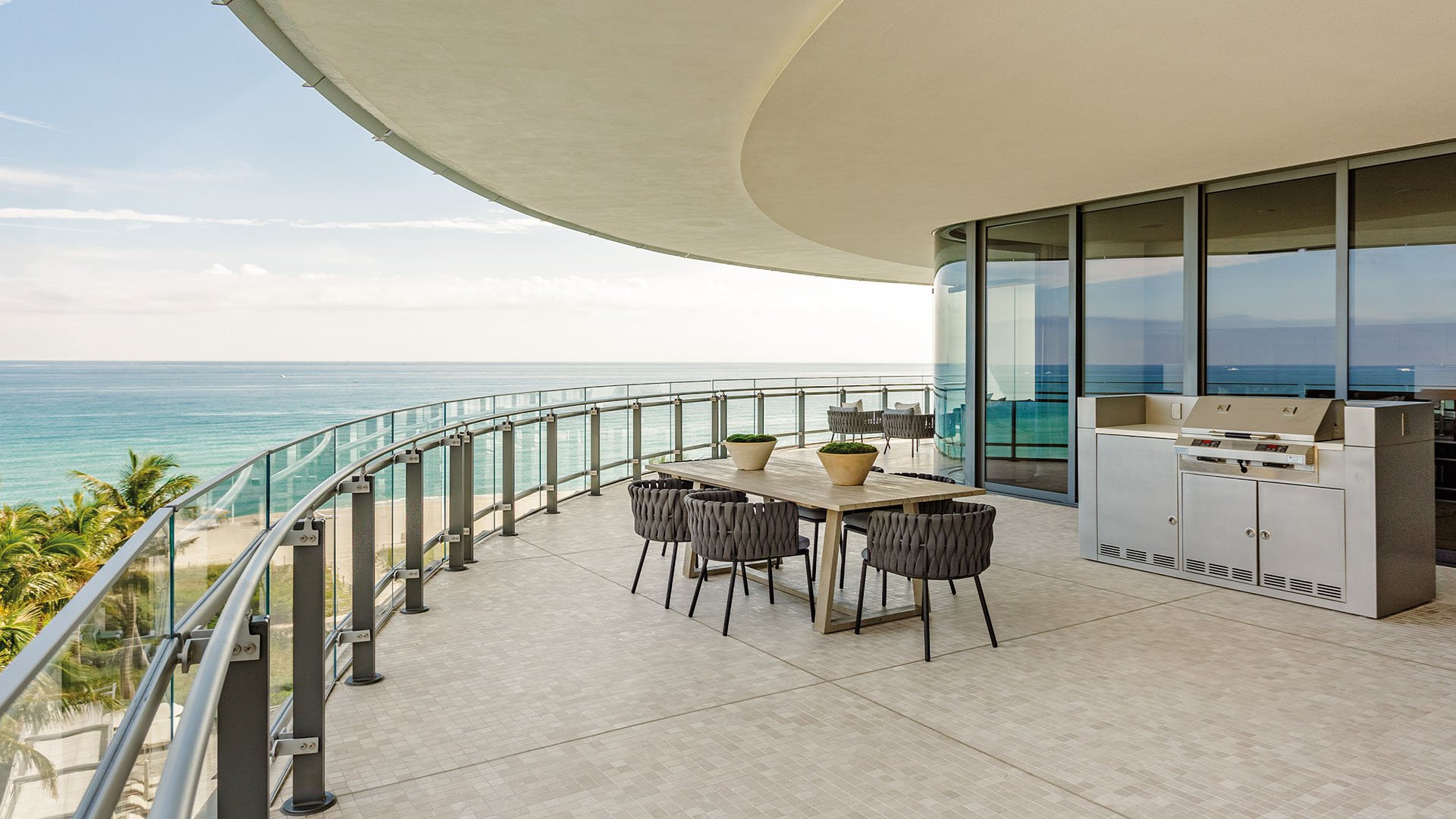
At 8701 Collins Avenue, Eighty Seven Park Surfside occupies an oceanfront setting where design, exposure, and condition carry unusual weight. Once a contract is signed, however, the buyer’s focus should shift from presentation to precision. The executed purchase agreement, condominium records, estoppel, title materials, and written repair commitments should guide every remaining decision.
The 18-story development comprises 70 residences, ranging from one to five bedrooms and approximately 1,018 to 4,140 square feet. Those broad figures provide context, not the terms of a particular acquisition. The essential principle is simple: a resale closing should be managed residence by residence, document by document.
A Surfside contract-to-closing period may run 30 to 45 days or longer, but the signed agreement controls. Counsel, the title professional, the agent, and any lender should translate its provisions into a working calendar covering deposits, review periods, association steps, estoppel work, title matters, financing obligations, and closing coordination.
Contract review should also address assignment rights, material-change provisions, completion protections, and rental restrictions where applicable. Buyers comparing the transaction with another boutique Surfside proposition, such as Arte Surfside, should resist importing assumptions from one condominium to another. Each declaration, set of rules, and negotiated agreement stands on its own.
Before the walkthrough, create a single schedule of everything being conveyed. Confirm the bedroom count, interior area, terrace, parking, storage, fixtures, furnishings, and any other inclusions against the contract, legal description, condominium materials, and written amendments. Marketing descriptions and floor plans may help orient the review, but they should never override controlling documents.
Apply the same discipline to exclusions. Identify personal property the seller may remove, items that must remain, access devices to be delivered, and repairs promised in writing. Resolve any ambiguity while there is still time to document an agreement, rather than at the closing table.
An oceanfront residence demands a coastal-condition lens. Exterior exposure, terraces, glazing, waterproofing, and visible salt-air wear are especially relevant. Check doors and windows for proper operation, inspect accessible terrace surfaces and drainage areas, and note visible signs that warrant professional attention. This is not an invitation to draw technical conclusions without expertise; it is a reason to engage suitable inspectors or consultants within the contract’s permitted periods.
Actual exposure and views should also align with the buyer’s expectations and the contracted residence. Nearby buildings, including Fendi Château Residences Surfside, may share a coveted coastal address, but orientation, elevation, and sightlines remain unit-specific. When practical, experience the residence at the appropriate time of day, while treating the written transaction documents as controlling.
Association requirements and estoppel work should be tracked well before the final walkthrough. Confirm required submissions, approvals, balances, and closing deliverables with the professionals handling the transaction. Review title materials promptly, ensuring the property description corresponds to the residence and any appurtenant interests being purchased.
This is also the time to reconcile parking and storage references across the contract, estoppel, title package, and condominium records. If the materials do not align, counsel can determine the appropriate inquiry and available remedy under the agreement.
The final walkthrough is distinct from a full property inspection. Its principal purpose is to verify that the residence remains in the agreed condition immediately before closing. Attend with the agent, bring the contract and repair schedule, and review the property methodically rather than relying on memory.
Confirm that seller-agreed repairs are complete, included items remain, excluded belongings have been removed, and no material condition has changed. Test accessible systems and fixtures as appropriate, revisit terrace and glazing observations, and photograph discrepancies. A buyer considering the broader Surfside standard represented by The Surf Club Four Seasons Surfside should still evaluate this acquisition solely by its own agreement and condition.
Document and address any difference between the walkthrough condition and the purchase agreement before funds are released. The appropriate response may depend on the contract and the nature of the issue, so the buyer should turn to Florida real-estate counsel rather than improvise a solution at closing.
What controls the closing schedule at Eighty Seven Park? The executed purchase agreement controls, even though a Surfside closing period may commonly run 30 to 45 days or longer.
Should the buyer rely on the advertised residence size? No. Reconcile the interior area, bedroom count, legal description, and other residence details across the controlling transaction documents.
What inclusions deserve specific confirmation? Confirm the terrace, parking, storage, fixtures, furnishings, access devices, and every other item identified in the agreement or amendments.
Why does coastal exposure matter before closing? The beach and Atlantic setting make glazing, waterproofing, exterior exposure, terraces, and visible salt-air wear particularly relevant.
Is the final walkthrough a substitute for an inspection? No. A walkthrough primarily verifies condition and contractual compliance immediately before closing, while an inspection provides a broader evaluation.
What should be checked during the walkthrough? Verify agreed repairs, included property, removal of excluded belongings, accessible systems, and any change in condition since contracting.
When should association requirements be addressed? Track submissions, approvals, estoppel work, balances, and deliverables early rather than leaving them until the walkthrough date.
How should parking and storage be verified? Compare the contract, legal description, estoppel, title materials, and condominium records, then resolve inconsistencies through counsel.
What if the walkthrough reveals a discrepancy? Document it immediately and address it under the purchase agreement before closing funds are released.
Should marketing materials guide the closing decision? They may provide context, but the executed agreement, condominium records, estoppel, title materials, and written commitments should control.
To compare the best-fit options with clarity, connect with MILLION.
If branded residences are on your mind — as a home or as an allocation — we would be glad to share what we are seeing, privately.
Begin a quiet conversation