Before reserving a Miami Design District residence, distinguish refundable reservation terms from purchase-contract obligations, define substitution standards, and understand how materially adverse amendments affect cancellation rights.
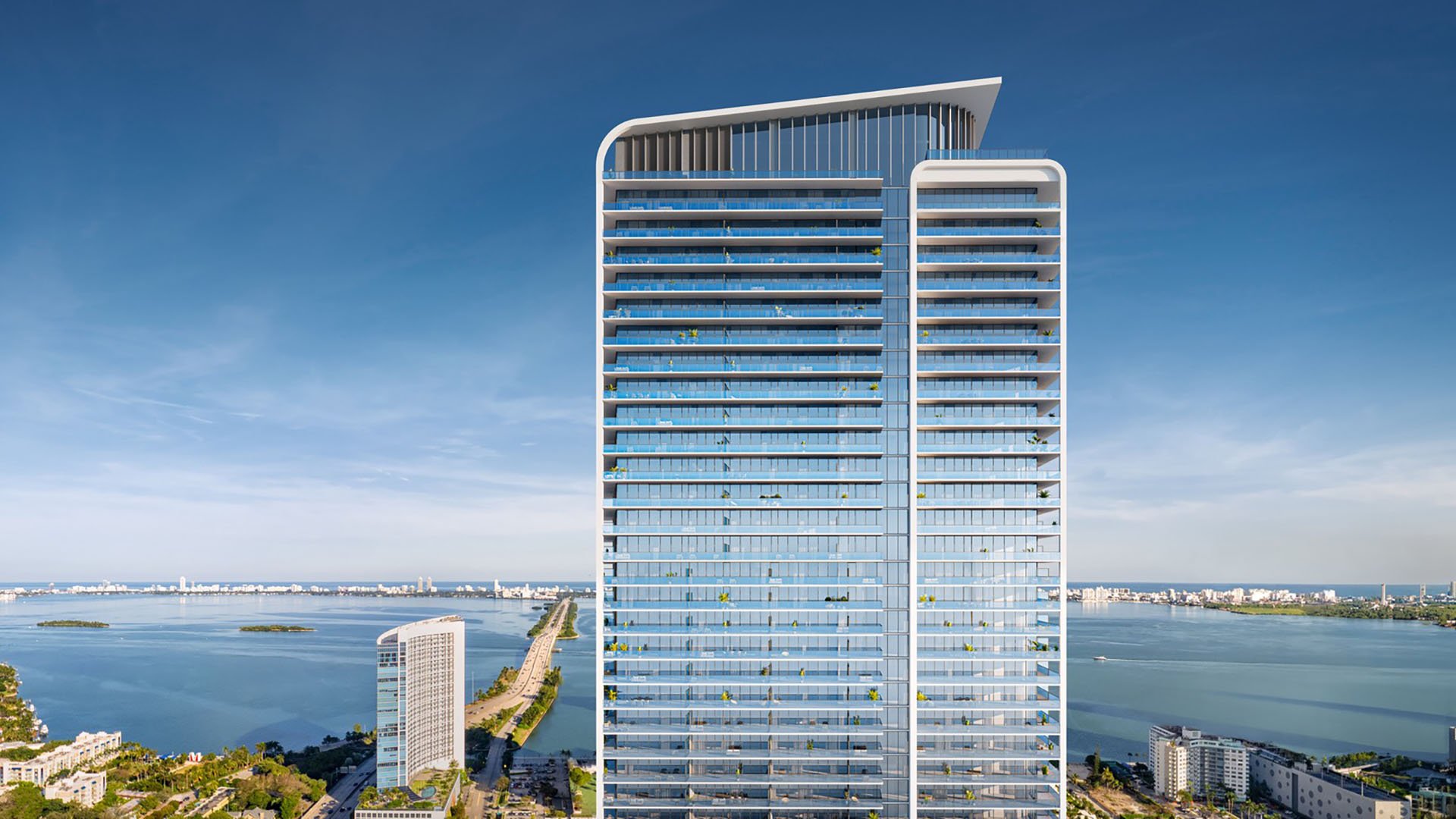
A Miami Design District residence can begin with an emotional connection to architecture, interiors, or a particular floor plan. Before reserving, however, the essential question is contractual: which elements are documented commitments, which remain subject to change, and what happens if the offering evolves?
For buyers considering Kempinski Residences Miami Design District, start with the actual reservation agreement, followed by the proposed purchase contract and its exhibits. This review concerns Florida condominium transactions, not the established terms of any named development.
Keep three protections distinct: the reservation-deposit refund right, the initial purchase-contract cancellation period, and the cancellation right associated with a materially adverse amendment. Each addresses a different stage of the transaction. A refundable reservation does not establish the rules governing a later purchase-contract deposit.
Florida permits developers to accept reservation deposits after approval of a properly filed, fully executed escrow agreement and reservation-agreement form. Reservation-deposit payments must go into escrow, and the escrow agreement must identify the escrow agent.
Before transferring funds, request the applicable documents and confirm the recipient and deposit instructions. The reservation and escrow documents must provide for an immediate, unqualified refund of the reservation deposit upon written request to the escrow agent or developer.
Read the price language just as closely. The reservation form must disclose whether the represented price is guaranteed, may increase within a stated amount or percentage, or is not assured. A preferred residence and a protected price are separate considerations.
Ask when you will be invited to sign the purchase agreement, how reservation funds would be applied, and which terms would then govern them. Obtain those answers in writing; do not treat the reservation as a summary of the eventual purchase.
Before evaluating a change, establish precisely what was offered. Florida requires delivery of specified condominium documents for developer sales, including governing documents. Request the complete applicable package, not simply a brochure, rendering, or floor plan.
For covered developer-sale contracts, the statutory 15-day initial cancellation period depends on both the buyer's execution of the agreement and receipt of all required disclosure items. Have Florida condominium counsel confirm the operative dates, and preserve a record of delivery.
Ask which plans, specifications, finish schedules, and amenity descriptions are incorporated into the agreement. Identify exclusions and any language reserving discretion to the developer. Keep a dated baseline containing the executed contract, exhibits, disclosures, and negotiated protections.
If Miami Tropic Residences is also on your shortlist, make the same document request independently. Useful comparisons measure written commitments rather than assume equivalent protections across projects.
The substitution clause deserves the same attention as the finish palette. Ask which finishes, appliances, building systems, layouts, and amenities may change, and under what conditions. Then examine who determines whether a replacement is acceptable.
An equal-or-better requirement is a protection to ask about, not an automatic statutory guarantee. If that language appears, request a meaningful definition: does equivalence concern appearance, specifications, performance, or some combination? A broad adjective can leave the central issue unresolved.
For features essential to your decision, ask counsel to seek written specifications and an express remedy. Useful contract-review questions include:
Must a replacement appliance meet identified capacity and performance requirements?
Can a finish change in material, color, or installation pattern?
May systems or layouts change without advance notice to the buyer?
What happens if a promised amenity is reduced, relocated, or removed?
For an Edgewater comparison such as Villa Miami, apply the same discipline. These are questions for the relevant documents, not assertions about that project's substitution rights.
Florida provides a right to cancel by written notice within 15 days after receiving a developer amendment that materially alters or modifies the offering adversely to the buyer. That standard requires more than deciding whether a revised detail is unwelcome.
There is no universal statutory percentage test covering every finish substitution, design revision, amenity change, or operational change. Do not assume that every modification creates an exit right-or that a change within a contract's stated tolerance automatically resolves the statutory question.
Ask counsel to compare the amendment with the original contract and exhibits and assess material adversity in context. Identify what changed, what the original documents committed to deliver, and why the difference matters to the purchase. Record the date of receipt immediately.
Keep negotiated remedies separate from statutory cancellation rights. A credit, price adjustment, or additional contractual cancellation option should be expressly documented, not assumed to accompany every disappointing revision.
For a buyer planning furniture, circulation, or a carefully composed interior, area and configuration deserve their own review. Request the measurement method, any permitted size tolerance, and the remedy for deviations. Ask how interior space, terraces, walls, and other components are treated in the stated area.
Florida restricts declaration amendments involving material changes to unit size, configuration, appurtenances, and ownership allocations, subject to the originally recorded declaration, statutory exceptions, and applicable approval requirements. Those restrictions are not a blanket guarantee of advertised square footage.
Have counsel distinguish the declaration provisions from the purchase agreement's measurement language. The objective is to understand both what may change and which protections apply if the delivered residence differs from the documented offering.
Developers must submit condominium-document amendments to the state condominium division and deliver them to purchasers before closing and no later than 10 days after the amendment. Each delivery warrants an organized review, not a place in an unread folder.
Request a marked comparison and a clear explanation of each revision. Compare every amendment with the original agreement and exhibits, preserving both the amendment and evidence of receipt. Send it to counsel promptly, particularly when dimensions, specifications, amenities, or operating provisions change.
The statutory amendment-cancellation mechanism requires written notice. Verify the proper recipients, permitted delivery methods, and applicable deadline before acting. An oral objection to a sales representative does not substitute for the required written notice.
Before reserving, identify your nonnegotiable features, verify escrow and refund instructions, and establish whether the price is protected. Before signing the purchase contract, obtain the disclosure package, understand substitution authority, and document any negotiated remedies.
The aim is not to eliminate every possibility of change. It is to know which commitments support your purchase and how to respond if they shift. This is general buyer guidance, not transaction-specific legal advice; Florida condominium counsel should assess the actual documents and deadlines.
Explore your South Florida residential shortlist with MILLION.
If branded residences are on your mind — as a home or as an allocation — we would be glad to share what we are seeing, privately.
Begin a quiet conversationDevelopers entering reservation agreements must place all reservation-deposit payments into an escrow account. Confirm the identified escrow agent and deposit instructions before transferring funds.
The reservation and escrow documents must provide an immediate, unqualified refund upon written request to the escrow agent or developer. Keep this reservation-stage protection distinct from later purchase-contract terms.
Not necessarily. The reservation form must disclose whether the represented price is guaranteed, may increase within a stated amount or percentage, or is not assured.
Request the complete applicable condominium disclosure package, the purchase agreement, and its exhibits. Ask which plans, finish schedules, and specifications are incorporated into the contract.
For covered developer-sale contracts, the period depends on both the buyer's execution of the agreement and receipt of all required disclosure items. Counsel should confirm the operative dates.
Equal-or-better quality and performance should be reviewed as potential contractual protections, not assumed statutory guarantees. Ask how the contract defines equivalence and who determines it.
No. The statutory amendment right concerns an amendment that materially alters or modifies the offering adversely to the buyer and requires written cancellation notice within 15 days after receipt.
No universal statutory percentage test covers every finish, design, amenity, or operational change. Counsel should evaluate the amendment against the original documents and the applicable legal standard.
No. Restrictions on certain declaration amendments are subject to the original declaration, statutory exceptions, and approval requirements; buyers should separately review measurement methods, tolerances, and remedies.
The statutory amendment-cancellation mechanism requires written notice. Verify the notice recipients, delivery methods, and deadline with counsel rather than relying on a conversation.