For international buyers, Rosewood’s stated 10%-10%-10%-10%-60% payment structure creates five principal currency-conversion points. The contract price stays in U.S. dollars, but exchange-rate changes can alter the residence’s cost in a buyer’s home currency. A disciplined plan should follow contractual triggers, preserve liquidity for closing costs, and be reviewed with qualified legal, tax, banking and regulated foreign-exchange advisers.
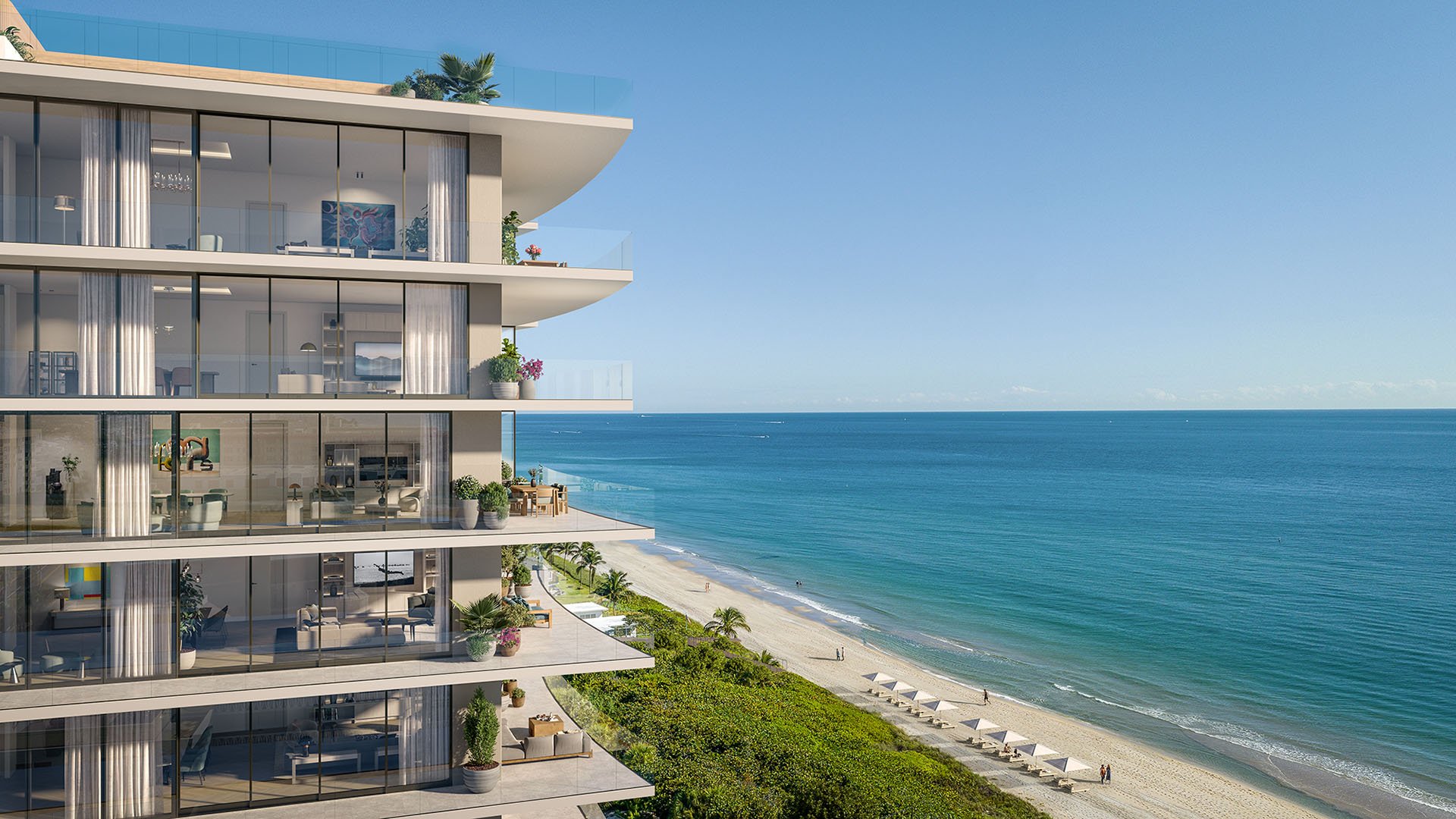
At Rosewood Residences Hillsboro Beach, the stated payment structure is 10% at contract, 10% after 60 days, 10% at groundbreaking, 10% at top-off and 60% at closing. For a buyer whose wealth or income is denominated outside the United States, that sequence creates a second ledger. The contractual price remains fixed in U.S. dollars, while the effective cost in the buyer’s home currency changes with every conversion.
Internationally mobile owners may be familiar with branded residences, but brand familiarity does not lessen the need for careful currency and liquidity planning. The buyer’s executed agreement, funding arrangements and professional advice should guide every transfer.
The largest currency decision may arrive at closing, but its cost is shaped long before then.
The staged deposits commit 40% of the purchase price before closing. The remaining 60% is due at closing, making the final transfer the largest foreign-exchange event unless the buyer acquires or hedges dollars earlier.
Each installment contributes to the weighted-average cost in the buyer’s home currency. If the U.S. dollar strengthens between contract and closing, later payments require more of the funding currency. If it weakens, those payments may require less. Neither outcome changes the dollar purchase price, but either can alter the buyer’s total economic outlay.
Staggering conversions across the payment points can reduce reliance on a single closing-date spot rate, but it does not guarantee a better result. Waiting until shortly before each deadline leaves the buyer exposed to the rate available when funds become due. The appropriate balance depends on liquidity, risk tolerance, timing certainty and advice from a regulated foreign-exchange provider.
The first deposit is tied to contract execution, and the second follows 60 days later under the stated schedule. Groundbreaking and top-off are construction milestones, so their timing may be less predictable. An estimated completion date alone is therefore an incomplete basis for planning.
A practical calendar should pair each contractual trigger with the relevant percentage, notice provisions, expected funding source, transfer lead time and an internal buffer. Buyers should also verify the recipient of the funds, permitted payment methods and process for authenticating wire instructions. The executed purchase agreement controls payment dates, default provisions, escrow treatment and permitted payment methods.
This discipline applies across South Florida pre-construction acquisitions, although schedules should never be assumed to match. A purchaser comparing Armani Casa Residences Pompano Beach or another Broward oceanfront offering should model each contract independently rather than apply Rosewood’s percentages or milestone definitions to a different project.
A foreign buyer should maintain two related plans: one for the four deposits and another for the larger closing requirement and any additional amounts shown on the final closing statement. Currency reserved solely for the purchase-price balance may be insufficient if confirmed ancillary obligations are overlooked.
Closing preparation should therefore include a reserve for verified closing costs, association-related charges, taxes, financing conditions and lender requirements, where applicable. The amounts should come from the buyer’s contract, closing statement and professional advisers rather than assumptions based on another development.
The same principle applies when comparing coastal markets. Buyers evaluating The Residences at Mandarin Oriental Boca Raton should distinguish Boca Raton documentation from Hillsboro Beach terms. Those considering Four Seasons Hotel & Private Residences Fort Lauderdale should do the same for Fort Lauderdale. Location and brand may shape a shortlist; only the executed documents define the cash calendar.
Escrow arrangements and contractual safeguards should be reviewed by Florida counsel for the specific transaction. They do not compensate a purchaser if the U.S. dollar becomes more expensive against the buyer’s funding currency. Exchange-rate exposure remains with the buyer unless it is managed separately.
Buyers should keep legal due diligence and currency planning connected but distinct. A deposit may receive contractual or legal treatment without protection from an unfavorable exchange-rate movement.
Forwards, options and other foreign-exchange products may help define or limit certain outcomes, but they carry pricing, counterparty, liquidity and maturity-mismatch risks. A construction delay can matter if a hedge matures before the related deposit or closing obligation. An earlier-than-expected notice can also matter if funds are not yet available.
The objective is not necessarily to forecast currencies. It is to determine how much uncertainty the buyer is willing and able to retain. Some purchasers may prioritize a known home-currency budget, while others may preserve flexibility by converting in stages. Any strategy should be reviewed by a regulated provider and coordinated with the purchase agreement rather than designed in isolation.
Currency planning should sit within the broader ownership structure. Before closing, foreign purchasers should coordinate Florida legal advice, cross-border tax advice, estate planning, financing and banking arrangements. The chosen ownership vehicle may affect documentation, account opening, funds-flow procedures and later disposition planning.
Prospective tax consequences and the currency in which future proceeds may be used can shape long-term planning. An oceanfront residence may be a lifestyle purchase, a second home or part of a wider U.S. allocation; each purpose can imply a different tolerance for currency exposure.
The guiding principle is to align the contract calendar, foreign-exchange plan, ownership structure and verified closing statement early, then preserve enough flexibility to respond when milestone notices arrive.
For discreet guidance on South Florida luxury real estate, connect with MILLION.
If branded residences are on your mind — as a home or as an allocation — we would be glad to share what we are seeing, privately.
Begin a quiet conversationThe stated schedule is 10% at contract, 10% after 60 days, 10% at groundbreaking, 10% at top-off and 60% at closing.
The four staged deposits total 40% of the purchase price before closing.
Because 60% remains due at closing, most purchase-price exposure is concentrated in the final payment unless dollars are acquired or hedged earlier.
A buyer funding the purchase from another currency faces five principal points: four deposits and the final closing balance.
No. Staggering can reduce reliance on a single closing-date rate, but it cannot guarantee a better weighted-average exchange rate.
The first two payments follow contract timing, while groundbreaking and top-off depend on construction milestones.
No. Escrow treatment does not protect a buyer from adverse movement in the funding currency.
Potentially. Buyers should verify all additional amounts shown in their contract and final closing statement.
That depends on the buyer’s objectives, liquidity and risk tolerance. These products carry their own risks and should be evaluated with a regulated provider.
The ownership structure may affect documentation, banking, funds-flow procedures, tax planning and future disposition planning.