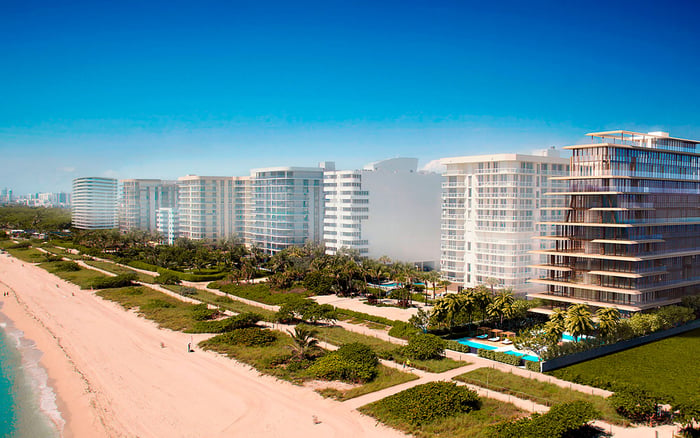
A disciplined closing review at Ocean House Surfside should distinguish regional lessons from property-specific evidence, pair historical records with targeted envelope testing, and examine reserve and litigation exposure before ownership transfers.
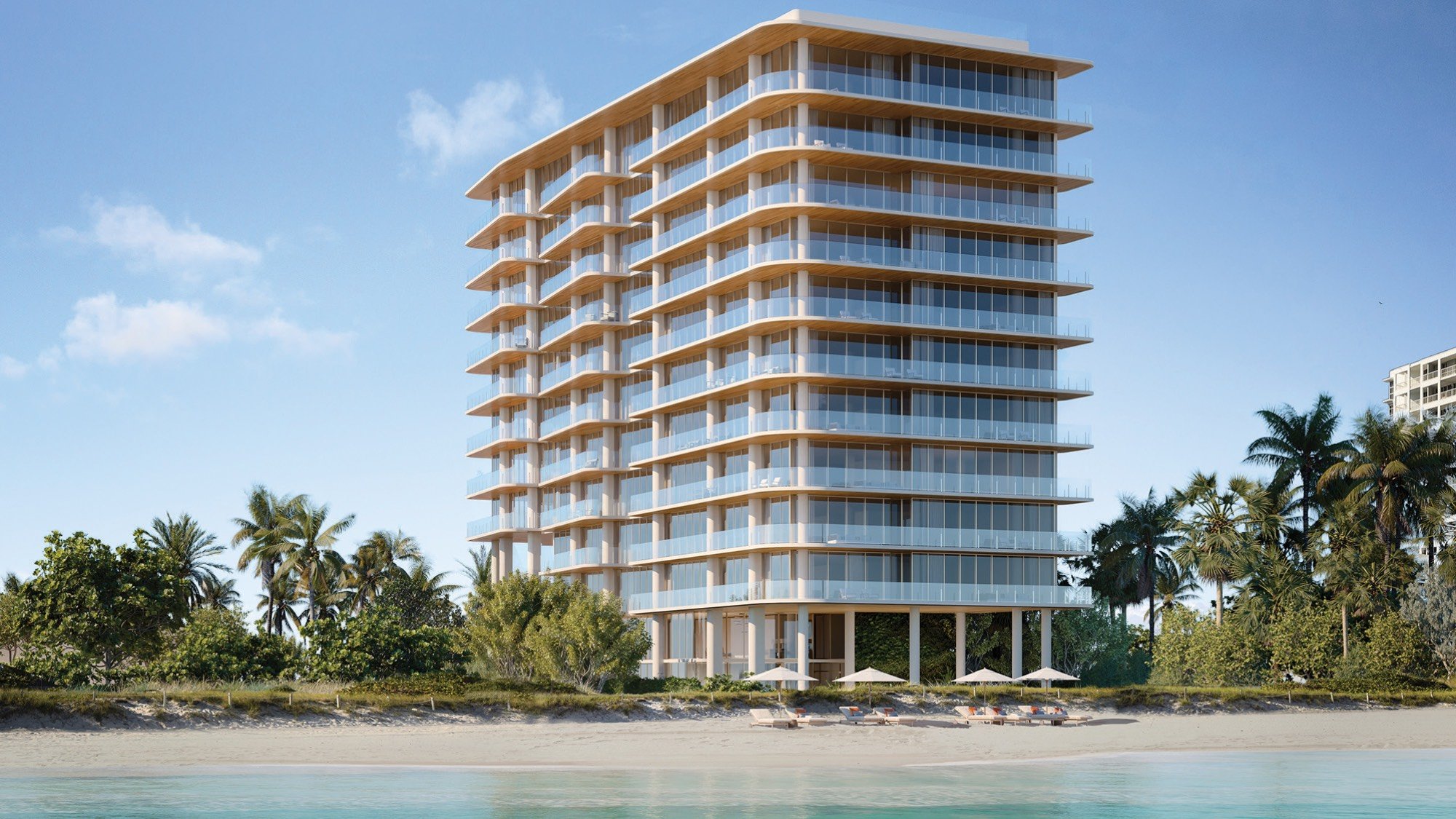
For a buyer considering Ocean House Surfside, the essential starting point is precise: the property occupies an oceanfront site at 9309-9317 Collins Avenue, Surfside, Florida 33154. That setting defines much of the residence’s coastal appeal while making the building envelope a critical component of closing diligence. Saltwater exposure has been investigated as a contributor to corrosion and deterioration in coastal Surfside structures, so the review should be calibrated to shoreline conditions rather than confined to a unit’s interior finishes.
Regional concern, however, does not establish a defect at Ocean House. The supplied record does not verify a property-specific history of water intrusion or construction defects. A careful buyer should avoid both complacency and assumption. The appropriate posture is evidence-led: determine what the property records reveal, identify areas warranting closer scrutiny, and engage qualified specialists to test suspected pathways.
A pristine interior is not a substitute for evidence of envelope performance.
This measured approach belongs in any serious collection of Buyer’s Guides for waterfront ownership. It is equally relevant when assessing other coastal options, from Arte Surfside to Fendi Château Residences Surfside, because ocean proximity makes thorough documentation and technically appropriate inspection especially consequential.
Surfside’s building history provides important regional context, but it must be handled with discipline. At Champlain Towers South, an engineering finding identified failed waterproofing beneath the pool deck. Other public findings described garage areas without waterproofing that had sustained decades of water exposure. A proposed $15 million repair program included waterproofing after leakage was linked to concrete deterioration.
More recent investigative findings indicated that the collapse likely began around the pool deck and described water seeping through cracked and previously repaired areas of the garage ceiling. Earlier stages of the investigation had not reached a definitive explanation. These evolving findings demonstrate why a single deterioration theory should not be presented as settled fact-and why the history of one building cannot be transferred to another.
For an Ocean House buyer, the practical lesson is narrower and more useful. Terrace and deck assemblies merit more than a surface inspection; prior repairs should be reconciled with present conditions; and coastal exposure should shape the scope of review. None of the Champlain Towers South findings establishes that the same conditions exist at Ocean House Surfside.
The most attractive residences often present impeccably during a showing. Fresh paint, restored millwork, new flooring, and clean sealant lines can elevate appearance, but they do not establish how the enclosure performed before the work. Historical failures may no longer be visible after cosmetic restoration.
Before closing, the buyer’s team should compare the physical inspection with association and seller records addressing prior leaks, repairs, waterproofing work, engineering findings, assessments, and testing. The purpose is not simply to accumulate documents. It is to establish a chronology: where moisture appeared, what was believed to be the source, what work was completed, and whether subsequent observations or testing confirmed the result.
Visible moisture, staining, damaged finishes, or a suspected leak source should be photographed and recorded before cleanup or repair begins. Documentation is especially valuable when a mark crosses the boundary between the residence and a common element, or when its apparent interior location may not identify the actual exterior entry point.
The association’s Structural Integrity Reserve Study should also be requested and reviewed. Buyers should determine whether active litigation could affect future obligations. These materials belong alongside the repair and assessment history because ownership risk is not confined to the unit; it may include the timing and funding of broader building work.
A general visual inspection remains useful, but it should not be treated as a complete water-intrusion evaluation. Effective envelope review follows the suspected pathway. Depending on the condition observed, that may mean examining roofing, exterior doors, glazing, sealant joints, terrace interfaces, and locations associated with earlier leaks.
AAMA 501.2 diagnostic nozzle testing is one documented technique for locating leakage through roofing systems and door assemblies. Water is applied in a controlled, localized manner, allowing an investigator to evaluate a specific joint, perimeter, or assembly. Its value lies in its focus: the test can help isolate a route that would be difficult to identify during an ordinary walkthrough.
ASTM E1105 chamber testing is another documented method. It evaluates water penetration through exterior assemblies under controlled pressure. Because pressure is introduced as part of the procedure, the test can address performance questions that a visual inspection or unpressurized water application may not resolve.
Neither method should be ordered as a generic badge of diligence. A qualified inspector or building-envelope engineer should determine the relevant assembly, test location, setup, and interpretation. The closing team should then reconcile the findings with the documented history. If an area was previously repaired, the review should clarify whether the tested location corresponds to the former leak path and whether the available result addresses the full assembly or only a limited section.
The same logic applies across the local luxury market. A buyer considering The Surf Club Four Seasons Surfside should not assume that a polished residence resolves enclosure questions any more than a buyer elsewhere along the coast should. Oceanfront quality is best evaluated through building-specific records and appropriately scoped technical work.
A test result is most informative when its limits are clear. Buyers should understand what was-and was not-tested, where water was applied, whether pressure was used, and which interior areas were observed. A successful limited test should not automatically be read as proof of the condition of every façade, opening, roof, or deck.
Likewise, evidence of a leak should prompt analysis rather than immediate conclusions. The essential questions are where water entered, whether the implicated component belongs to the unit or the association, what repair scope is proposed, and how completion will be documented. Any unresolved point should be considered with the buyer’s inspector, building-envelope professional, attorney, and other appropriate advisers before contractual deadlines pass.
The reserve study, existing assessments, active litigation, engineering findings, and repair scope together create a more complete ownership picture. Their relevance extends beyond immediate condition. They can help a purchaser understand whether identified work has been planned, whether funding questions remain, and whether future obligations require further review.
The strongest closing file is organized around three layers. First comes history: prior leaks, waterproofing, repairs, assessments, and engineering findings. Second comes present condition: photographs, observed staining or damage, and targeted testing of credible pathways. Third comes ownership exposure: the Structural Integrity Reserve Study and any active litigation that could affect future obligations.
This framework preserves the distinction between a regional warning and property-specific evidence. It also prevents luxury presentation from carrying more weight than technical documentation. For Ocean House Surfside, the objective is not to presume a problem. It is to ensure that the buyer’s decision reflects what has been recorded, what has been tested, and what remains unresolved before ownership transfers.
For discreet guidance on South Florida luxury real estate, connect with MILLION.
If branded residences are on your mind — as a home or as an allocation — we would be glad to share what we are seeing, privately.
Begin a quiet conversationNo. The available facts do not verify a project-specific water-intrusion or construction-defect history at Ocean House Surfside.
Coastal saltwater exposure has been investigated as a contributor to corrosion and deterioration in Surfside structures, making shoreline conditions relevant to inspection scope.
Review earlier leak, repair, waterproofing, engineering, testing, and assessment records alongside the current physical findings.
It is a localized nozzle-testing method that can help identify leakage through roofing systems and door assemblies.
ASTM E1105 evaluates water penetration through exterior assemblies under controlled pressure.
Potential targets include roofing, exterior doors, glazing, sealant joints, terrace interfaces, and areas associated with earlier leaks.
Not necessarily. A visual review can be useful, but suspected pathways may require targeted testing by a qualified inspector or building-envelope engineer.
Photographs preserve the condition and suspected source before cleanup or repair changes the evidence.
The buyer should request the association's Structural Integrity Reserve Study and review it with appropriate advisers.
Active litigation may affect future ownership obligations and should be considered with reserve, assessment, repair, and engineering information.