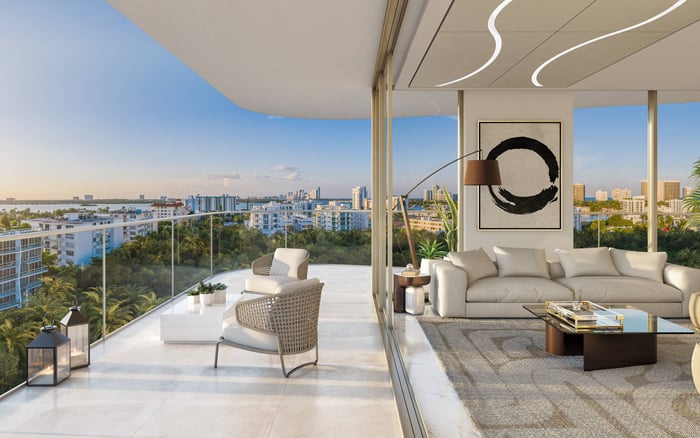
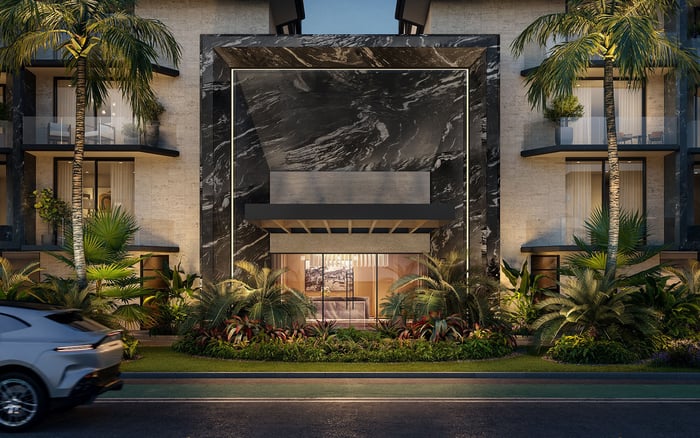
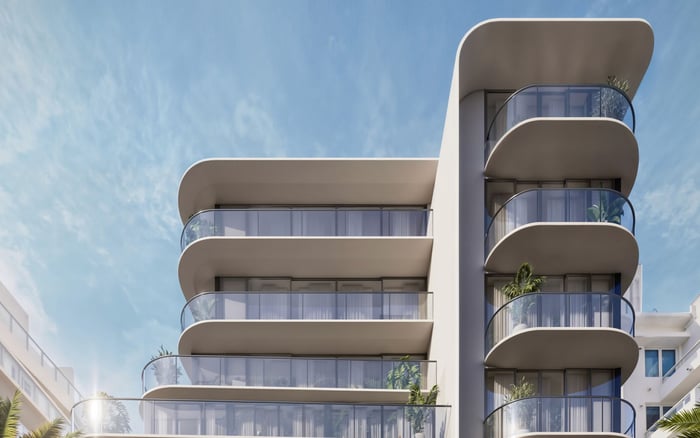
For collectors considering Mila Bay Harbor, the decisive questions extend beyond impact glass. Glazing data, light control, HVAC stability, condominium approvals, and installation access should all be resolved before closing.
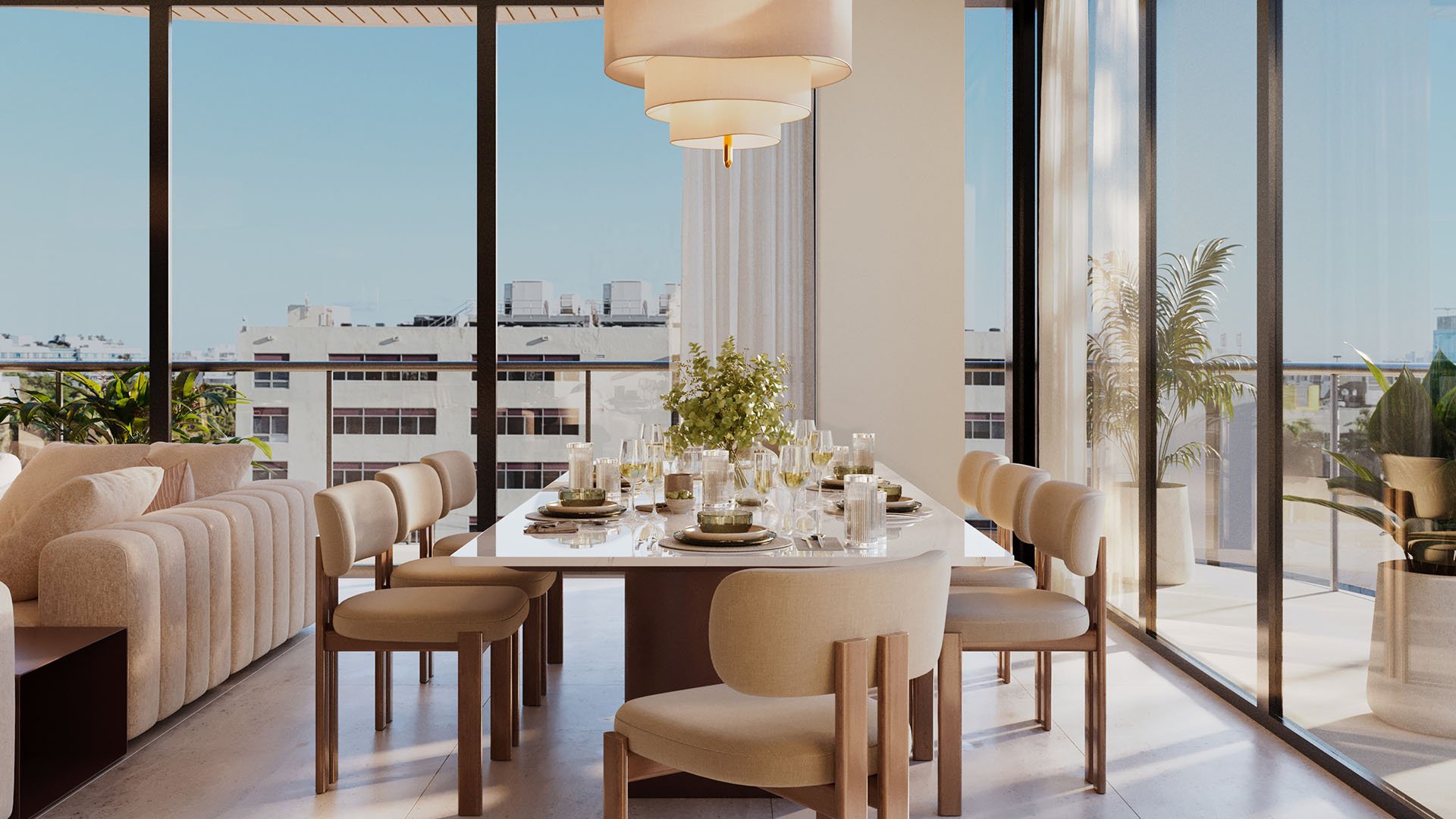
For a collector considering Mila Bay Harbor, price and floor plan are only the beginning of the acquisition analysis. The residence should also be evaluated as an environment for displaying, storing, moving, and protecting art.
Glazing, daylight, shade infrastructure, climate-control performance, and installation access require separate review. Storm-resistant glazing should not be treated as proof of collection-grade ultraviolet or visible-light management. Buyers should request the relevant glazing composition and performance documents rather than infer protection from a general product description.
Impact resistance and collection protection solve different problems.
Nearby projects can provide useful comparison points for daylight, mechanical systems, and alteration procedures. Collectors may include Alana Bay Harbor Islands, Onda Bay Harbor, La Maré Bay Harbor Islands, and The Well Bay Harbor Islands in that review without assuming that their specifications or procedures are equivalent.
Light damage is cumulative, and the appropriate display conditions depend on each object’s materials, pigments, condition, and prior exposure. A pre-closing assessment should examine direct sun and ambient illumination at different times rather than rely on impressions from a single showing.
The review should distinguish ultraviolet radiation from visible light. UV-absorbing products may address one part of the risk, but they do not replace broader daylight control. A layered plan can combine documented glazing performance, suitable shades, protected wall locations, appropriate framing materials, and placement away from direct window exposure.
Interior planning should identify the safest display zones before furniture, lighting, and millwork positions are fixed. More sensitive pieces may be better suited to interior walls, corridors, or rooms where daylight can be managed consistently. The objective is to preserve both the openness of the residence and the integrity of the collection.
Before ordering films, shades, recessed hardware, or control systems, review the purchase documents and applicable alteration requirements. Obtain written answers about visible shade components, backing requirements, installation methods, electrical needs, and any approval process that may apply.
If an applied film is being considered, ask the glazing manufacturer and the appropriate project representatives whether it could affect warranties, thermal behavior, or the approved exterior appearance. Do not authorize fabrication until dimensions, permissions, and technical compatibility have been confirmed.
The shade design should account for both routine daylight management and periods when the residence is unoccupied. Automated controls may be useful, but the plan should also address manual operation and service interruptions. Shade pockets, side channels, fabric selection, motor access, wiring, and control locations are easier to coordinate before interior work is complete.
A residential climate-control system should not be assumed to provide collection-specific environmental stability. Before closing, ask a qualified professional to evaluate zoning, humidity management, equipment runtime, monitoring locations, and performance when the home is occupied or vacant.
Stable conditions matter because rapid environmental changes can stress vulnerable materials. The appropriate targets should be established for the actual collection with input from a conservator or other qualified adviser rather than applied as a universal rule.
If supplemental dehumidification or other equipment may be needed, verify whether it is permitted and practical. The review should address equipment placement, drainage, electrical demand, service access, noise, and integration with the residence’s existing systems.
Environmental monitoring should begin before the collection arrives. Sensors should be selected, calibrated, and placed near intended display or storage areas instead of relying solely on a wall thermostat. Recorded conditions can help the owner and advisers identify fluctuations before valuable works are installed.
Before closing, an experienced art handler should review the complete route from vehicle arrival to each proposed display position. Confirm elevator and doorway dimensions, load limits, turning clearances, floor-protection requirements, staging areas, reservation procedures, and permitted working times directly with the relevant parties.
Any storage area should be evaluated for environmental control, security, water risk, and monitoring before it is used for art. Convenience alone does not establish suitability for valuable or sensitive objects.
An emergency plan should identify who responds if power, climate control, leak detection, or shade systems fail. It should include current insurer, conservator, art-handler, and property-management contacts, along with collection records and priorities for urgent action. Any backup capability should be documented rather than assumed.
Convert the collection plan into a coordinated closing checklist. The file should include glazing documents, light-assessment findings, shade approvals, electrical requirements, climate-control evaluations, monitoring plans, installation logistics, and emergency contacts.
Confirm responsibilities, approval timing, and access procedures through the executed transaction documents and the appropriate legal, title, and project representatives. Any condition that affects the collection should be resolved in writing before equipment is ordered or installation dates are fixed.
The strongest ownership plan does not depend on a single product or building feature. It combines documented glazing performance, controlled daylight, stable environmental management, suitable framing, careful placement, monitored conditions, and a practical response plan.
For discreet guidance on Mila Bay Harbor and other South Florida residences, connect with MILLION.
If branded residences are on your mind — as a home or as an allocation — we would be glad to share what we are seeing, privately.
Begin a quiet conversationNo. Request the glazing composition and performance documents before relying on it for collection protection.
A pre-closing assessment can identify direct sun, ambient light, and safer display areas before interior plans are finalized.
No. A film may address ultraviolet exposure, but visible daylight and object placement must also be considered.
Targets should reflect the collection’s materials, condition, and vulnerabilities. A qualified conservator can help establish appropriate conditions.
No. Permission, equipment placement, drainage, electrical demand, and service access should be verified in writing.
Yes. Buyers should review the applicable documents and obtain written confirmation before ordering films, shades, or recessed hardware.
It should address dimensions, fabric and backing requirements, motors, wiring, controls, installation methods, and any required approvals.
Confirm the delivery route, clearances, load limits, staging space, protection requirements, reservations, and permitted working times.
No. Evaluate its environmental control, security, water risk, and monitoring before placing art there.
Include glazing documents, light findings, shade approvals, climate evaluations, monitoring plans, installation logistics, and emergency contacts.