At Four Seasons Fort Lauderdale, a water-view premium should be evaluated through repeated visits, technical review, document analysis, and a clear comparison of comfort, exposure, and carrying costs.
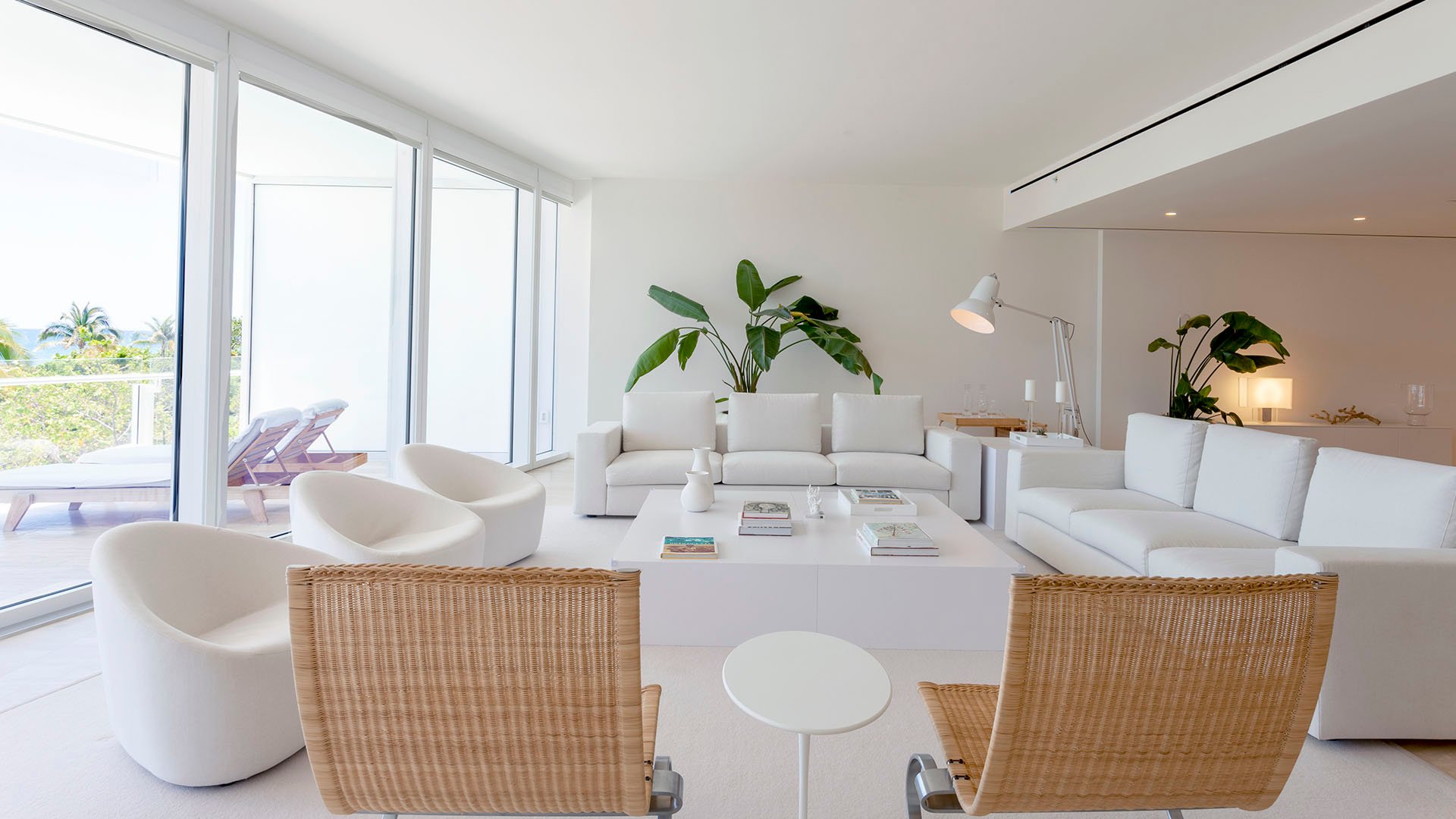
At Four Seasons Hotel & Private Residences Fort Lauderdale, buyers considering a premium for a water view should look beyond the first impression. Orientation, glazing, shade coverage, interior layout, and balcony conditions can all affect how an outlook feels in daily use.
Light changes by the hour. A residence that feels balanced during one showing may present stronger glare or a different comfort profile later in the day. Reflections from water and neighboring glass can also influence screens, work surfaces, seating areas, and rooms near the façade. The practical question is not simply whether the view is impressive, but whether it remains enjoyable under the conditions that matter to the buyer.
A water view earns its premium only when beauty, comfort, and building performance align.
A branded residential experience and the legal framework of condominium ownership should be reviewed separately. Service expectations may shape the lifestyle proposition, but they do not replace the declaration, purchase agreement, association records, warranties, rules, or other governing documents.
Before closing, buyers should identify which party is responsible for windows, sliding doors, balcony surfaces, waterproofing, exterior maintenance, storm protection, and repairs. Any representation about a physical component should be traced to the relevant document and responsible party rather than inferred from branding.
The same discipline applies to services and amenities. Buyers should confirm what is included, what may carry a separate charge, what is governed by association rules, and whether access terms can change. These questions help distinguish the hospitality experience from enforceable ownership rights and obligations.
A useful evaluation requires more than one carefully staged tour. Visit during distinct periods and allow enough time to experience the principal rooms without immediately adjusting every shade. Stand near the glass, sit where furniture would normally be placed, and look for reflections on televisions, laptops, stone surfaces, and artwork locations.
On the balcony, consider whether wind affects conversation, dining, doors, or lightweight furniture. Inside, observe whether rooms near the glass feel materially different from interior areas and whether the installed shading provides adequate control without eliminating the view.
When comparing orientations, use a consistent process. A broad panorama, a corner exposure, and a more protected outlook may each offer a different balance of light, privacy, weather exposure, and usability. Comparing residences at similar hours is more informative than weighing one dramatic showing against another property visited under gentler conditions.
Nearby alternatives such as The Ritz-Carlton Residences® Fort Lauderdale should be assessed independently. A shared Fort Lauderdale location or branded positioning does not establish equivalent glazing, exposure, maintenance history, documents, or ownership costs.
Request the available specifications for the selected residence and its openings. The review can include glazing type, product documentation, impact protection, insulated assemblies, and any available performance values. Windows, fixed panels, doors, and sliders should be checked individually rather than treated as automatically identical.
Buyers should also examine installed shades, controls, and applicable rules for window treatments. Shade depth, automation, fabric selection, and coverage can influence comfort while preserving the view. If utility histories are available, interpret them in context: occupancy, thermostat settings, travel patterns, and shade use can materially affect consumption.
A qualified inspector or other appropriate professional can help assess visible conditions and identify questions requiring further documentation. The goal is not to predict performance from marketing language, but to connect the residence’s orientation and glass area with observable conditions and available records.
The setting that creates a desirable water outlook may also increase the importance of wind-driven rain, salt exposure, moisture management, and exterior maintenance. Buyers should request available records concerning balcony waterproofing, façade work, water intrusion, corrosion control, and repairs affecting the selected line or nearby areas.
Storm readiness requires a component-by-component review. Confirm how windows, doors, and sliders are protected, then determine which duties belong to the owner and which belong to the association. Governing documents may also address insurance, access, repairs, emergency procedures, and post-storm inspections.
These questions should be asked for every property on its own terms. Buyers considering St. Regis® Residences Bahia Mar Fort Lauderdale should not assume that documents, construction details, maintenance practices, or storm procedures from another Fort Lauderdale residence apply there.
A view premium can affect more than the acquisition decision. The complete comparison should include association charges, property taxes, insurance, utilities, maintenance obligations, and the possibility of assessments. Current figures should be verified for the specific residence and evaluated alongside the governing documents and available association records.
Buyers can compare alternatives by separating the asking price into practical attributes: orientation, usable outdoor space, privacy, interior comfort, condition, and documented building performance. This does not assign a precise value to each element, but it reduces the risk of treating the panorama as the only meaningful distinction.
The final decision should reflect how the residence will actually be used. A buyer who works near the glass, spends afternoons at home, displays light-sensitive art, or regularly dines outdoors may evaluate the same exposure differently from an occasional visitor. A defensible premium is therefore both technical and personal: it should survive document review while fitting the owner’s routine.
For discreet guidance on South Florida luxury ownership, connect with MILLION.
If branded residences are on your mind — as a home or as an allocation — we would be glad to share what we are seeing, privately.
Begin a quiet conversationChanging light can alter glare, reflections, shade needs, and comfort. Multiple visits provide a more complete picture than a single showing.
No. Buyers should rely on the purchase agreement, declaration, association records, warranties, and other governing documents.
Request available specifications and product documentation for windows, fixed panels, doors, and sliders. Confirm whether the selected openings have impact protection or insulated assemblies.
Visit under changing light and check televisions, laptops, work surfaces, artwork locations, and seating areas near the glass. Observe conditions before changing the shades.
Shade coverage, fabric, and controls can influence interior comfort and view usability. Buyers should also review any association rules governing window treatments.
Consider occupancy, thermostat settings, travel patterns, and shade use alongside the figures. A utility history should not be treated as a stand-alone measure of performance.
Buyers can request available records concerning balcony waterproofing, façade work, water intrusion, corrosion control, and repairs. The review should focus on the selected residence and nearby areas.
Confirm protection for windows, doors, and sliders and identify whether each responsibility belongs to the owner or association. Review related insurance, access, and inspection provisions.
Consider association charges, property taxes, insurance, utilities, maintenance duties, and possible assessments. Verify current figures for the specific residence.
No. Each property should be evaluated through its own documents, specifications, maintenance records, exposure, and ownership costs.