At Aston Martin Residences, a completed Structural Integrity Reserve Study is not a verdict on financial health. Sophisticated buyers should connect its component assumptions to adopted budgets, actual reserve cash, assessments and the broader capital plan before accepting the economics of ownership.
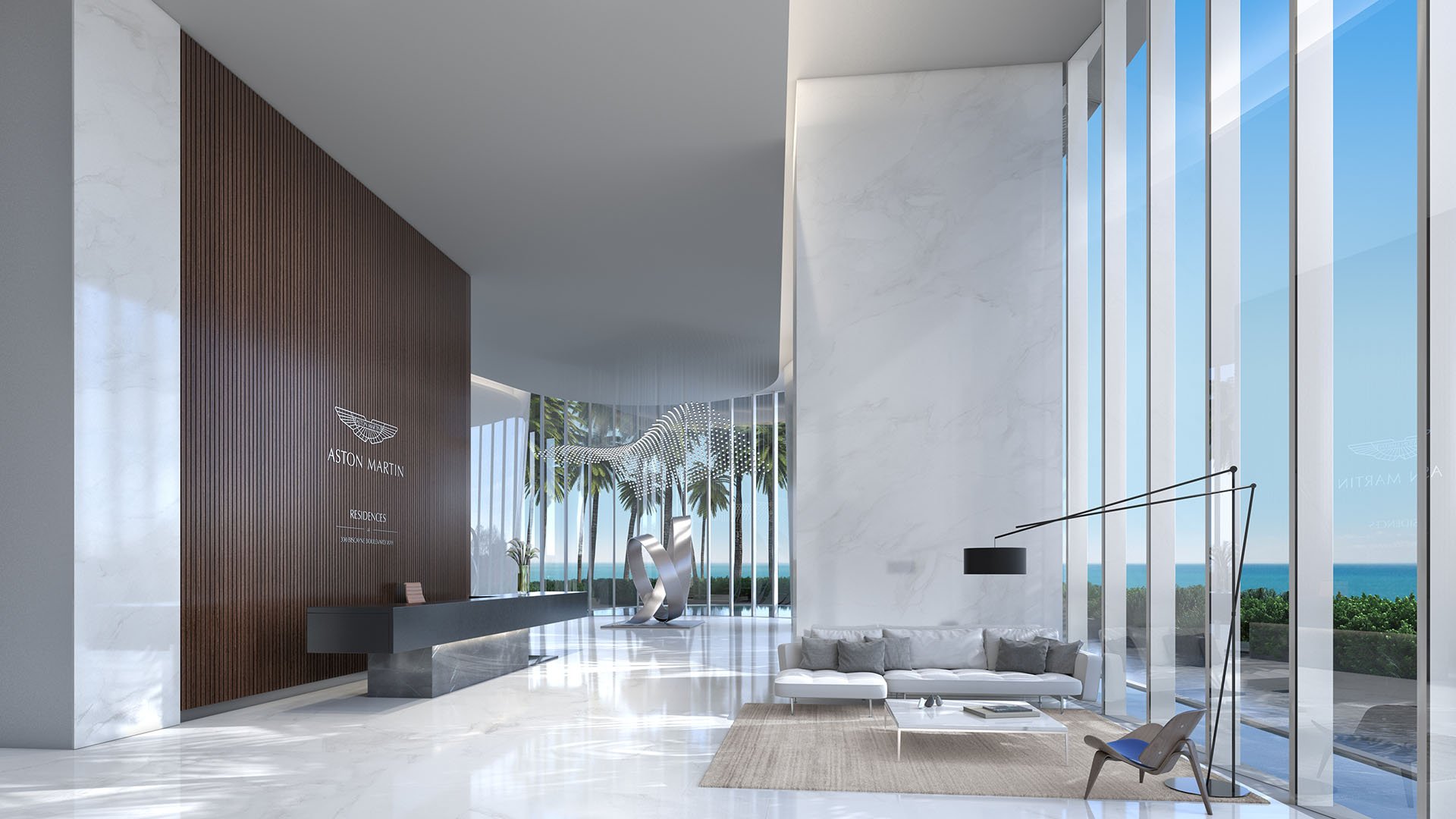
At Aston Martin Residences Downtown Miami, the ownership proposition begins with a recently completed tower and an internationally recognized residential identity. Yet a rigorous acquisition analysis should look beyond finish, view and brand to a more consequential question: whether the condominium association is building the financial capacity to preserve the property through successive cycles of major repairs.
Completed in 2024, Aston Martin Residences is relatively young. Its anticipated 25-year milestone inspection would fall around 2049, but that date should never be mistaken for the deadline for its first Structural Integrity Reserve Study, or SIRS. The two regimes serve different purposes and follow different timetables. Qualifying condominium buildings must complete a SIRS at least every 10 years after the condominium's creation.
For buyers evaluating branded residences in Downtown Miami, that distinction is more than technical. The milestone inspection evaluates structural condition; a SIRS translates anticipated repair and replacement needs into a component-level reserve plan. Neither document, on its own, establishes that ownership costs will remain stable.
Statutory compliance begins the underwriting conversation; it does not complete it.
Florida's framework generally applies SIRS requirements to condominium and cooperative buildings with three or more habitable stories. The study estimates the reserves needed for future major repair and replacement of condominium property, based in part on a visual inspection by a licensed engineer or architect.
Its required scope addresses consequential shared assets: the roof, structural systems, fireproofing and fire-protection systems, plumbing, electrical systems, waterproofing and exterior painting, windows and exterior doors, plus other qualifying structural-integrity components. A sound analysis should identify each component's estimated remaining useful life, projected replacement cost or deferred-maintenance expense, and the annual contribution required to fund the work.
For budgets adopted on or after December 31, 2024, qualifying unit-owner-controlled associations generally cannot waive or reduce required reserves for SIRS components. Those reserves also generally cannot be redirected to unrelated purposes. This framework imposes greater discipline, but it does not eliminate assumption risk, cost escalation or projects beyond the statutory scope.
The most valuable closing exercise is reconciliation. Request the latest SIRS, its inspection date, the preparer's credentials, the complete component schedule and related engineering materials. These studies and structural-inspection reports form part of the association's official records, making access to the underlying documents essential.
Then compare the study with the adopted operating budget, reserve schedule, year-end financial statements and component-level reserve balances. A recommended contribution matters only if the budget funds it and the corresponding cash is accumulating. The clearest test is whether existing balances, together with scheduled annual contributions, appear sufficient to meet each component's projected cost by the end of its useful life.
A gap between recommended funding and budgeted contributions can foreshadow higher regular assessments, accelerated reserve catch-up or a special assessment. Buyers should examine both approved assessments and potential obligations under discussion. Board minutes, notices and engineering follow-up can illuminate costs that have not yet reached a formal vote.
The same discipline applies when comparing nearby luxury options such as One Thousand Museum Downtown Miami or Waldorf Astoria Residences Downtown Miami. Comparative investment analysis should focus not simply on monthly dues, but on what those dues fund, which liabilities remain outside the budget and how reserve assumptions differ.
The building's recent completion may reduce near-term, age-related structural exposure. It does not remove the eventual cost of façade work, waterproofing, glazing, electrical infrastructure, plumbing and other long-lived systems. In a new association, early budgets warrant particular attention because useful-life and replacement-cost assumptions shape contributions long before major work becomes visible.
A low opening contribution may appear efficient while deferring the burden to later owners. Conversely, a thoughtfully funded reserve schedule can raise present carrying costs while strengthening long-range predictability. The pertinent question is not whether the initial budget feels economical, but whether it is realistic.
This is especially relevant across the new-construction market, where buyers may compare completed ownership at Aston Martin Residences with newer offerings such as Baccarat Residences Brickell. Different stages of association formation can produce markedly different document sets, reserve histories and levels of cost visibility. The analysis should account for those differences rather than force a superficial comparison of dues.
A SIRS is a statutory baseline, not an all-inclusive capital plan for a luxury property. Amenity renovations, technology upgrades, interior common-area refreshes and other nonstructural improvements may fall outside its required scope. They can still lead to assessments or materially affect annual budgets.
That distinction is particularly important for a branded tower, where residents may expect common spaces, service infrastructure and technology to remain aligned with a premium standard. Financial diligence should therefore separate structural reserves from discretionary or nonstructural capital planning. Ask whether the association maintains a broader schedule for these projects, how it prioritizes them and whether any funding has been designated.
Underfunded reserves or deferred structural work can also intensify insurance and carrying-cost pressure because repair obligations and insurance expenses ultimately flow through association budgets. A clean SIRS cannot neutralize rising costs elsewhere in the operating statement.
Before closing, the review should connect documents rather than merely collect them. In addition to the SIRS and engineering materials, examine the current budget, financial statements, reserve ledgers, assessment notices, board records concerning major projects and any available evidence of independent compliance confirmation.
For a resale acquisition, the seller's disclosures and estoppel information are part of the picture, but they should not replace association-level analysis. Counsel and financial advisers can help test whether liabilities, pending decisions and funding gaps are adequately reflected in the transaction documents.
The same framework applies when considering The Residences at 1428 Brickell or another ultra-premium tower. Each property will have a distinct component schedule, governance history and capital philosophy. What matters is the relationship between physical obligations and available cash.
At Aston Martin Residences, recent completion is an advantage, but not a substitute for forward planning. A sophisticated buyer should understand when the SIRS was prepared, what it assumes, whether the association adopted its recommendations and which meaningful costs remain outside its scope.
The closing objective is not to obtain certainty where none exists. It is to assess the quality of the assumptions, the adequacy of current funding and the mechanisms through which future costs may reach owners. That is the difference between confirming compliance and underwriting ownership.
For discreet guidance on South Florida luxury residences and acquisition strategy, connect with MILLION.
If branded residences are on your mind — as a home or as an allocation — we would be glad to share what we are seeing, privately.
Begin a quiet conversationA SIRS estimates the reserves needed for major repair and replacement of qualifying condominium property using component-specific assumptions and a visual inspection.
No. A milestone inspection evaluates structural condition, while a SIRS converts anticipated component needs into a reserve-funding plan.
No. Around 2049 is the anticipated 25-year milestone point based on 2024 completion; the SIRS follows a separate recurring timetable.
The visual-inspection portion must be performed by a licensed engineer or architect.
Its scope includes qualifying structural systems, roof, fire protection, plumbing, electrical systems, waterproofing, exterior painting, windows and exterior doors.
No. Buyers must compare its recommendations with adopted budgets, financial statements and actual component-level reserve balances.
The key gap is between recommended SIRS contributions and the amounts actually budgeted and accumulated for each component.
No. Nonstructural amenity renovations, technology upgrades and interior common-area work may sit outside its required scope and still create assessments.
Early assumptions about useful life, replacement cost and annual contributions can determine whether long-lived systems are adequately funded before major work arises.
Review the latest SIRS, related engineering records, current budget, reserve schedule, year-end financial statements, component balances, assessment notices and relevant board records.