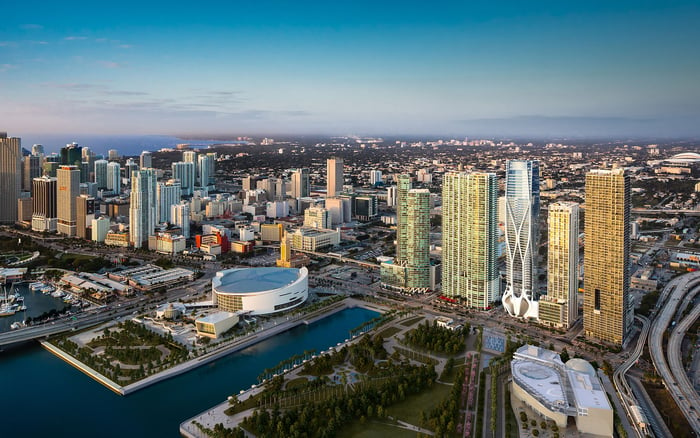
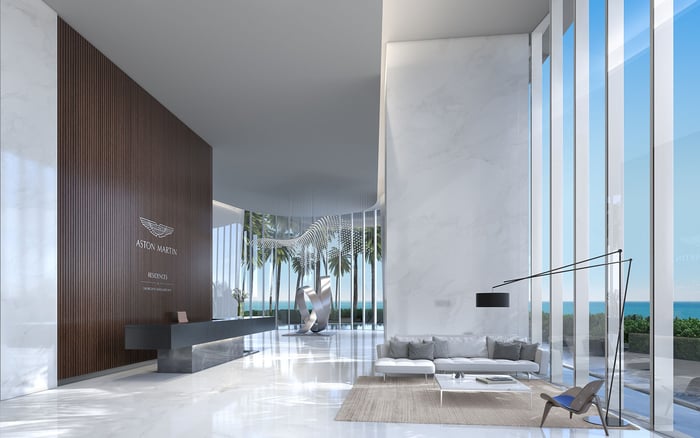
For buyers relocating from Lisbon, choosing Downtown Miami calls for address-level evacuation checks, documented emergency-power coverage and a clear plan for leaving, returning and restoring essential services.
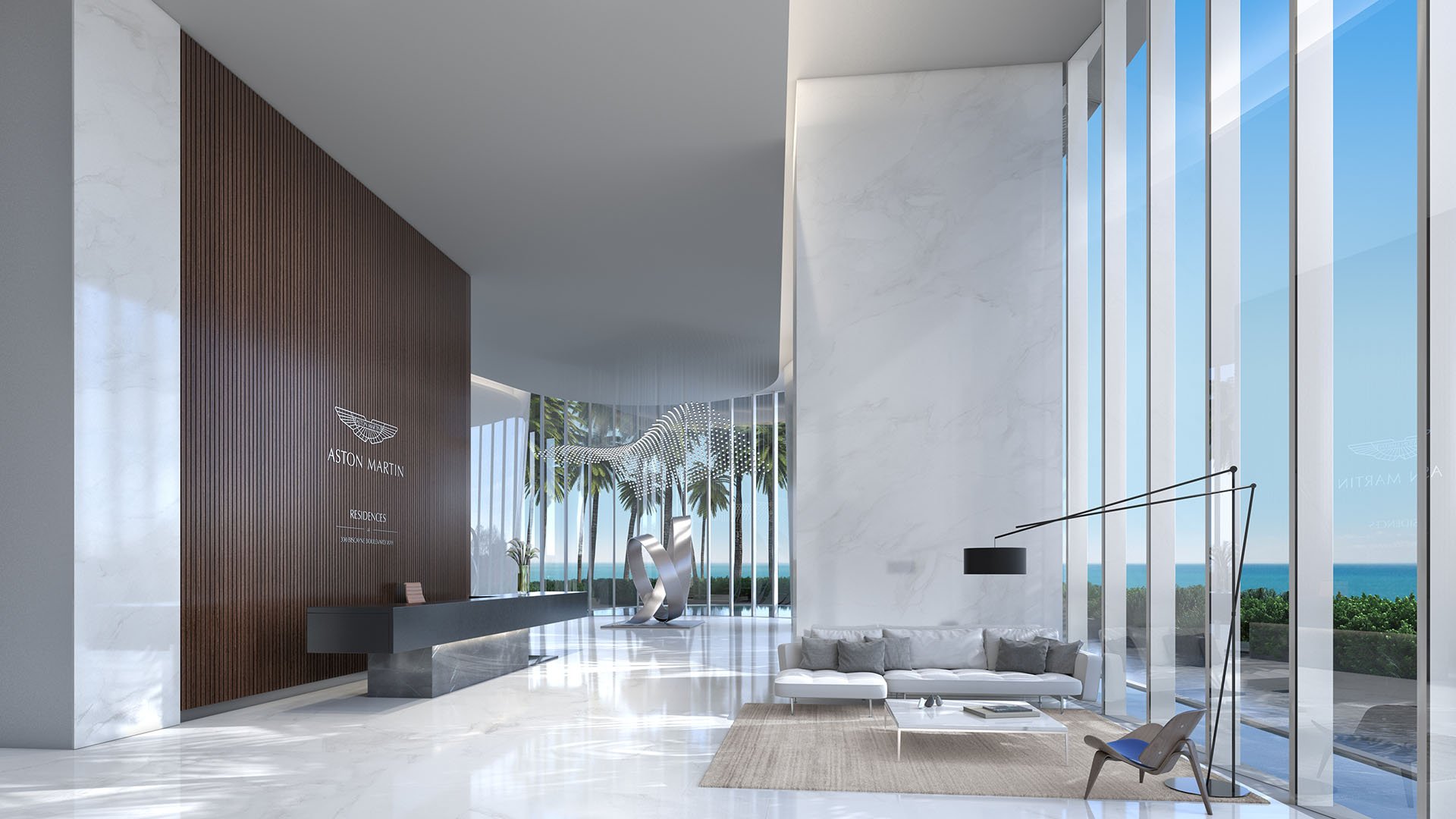
A move from Lisbon to Downtown Miami brings a different set of questions to the residential search. Beyond the outlook, interiors and services, buyers should understand how a building prepares for a hurricane, manages access during disruption and determines when essential systems can return to service. Lisbon is the relocation context here, not a basis for comparing the two cities’ risks.
The key distinction is between an attractive residence and a documented operating plan. Whether considering Aston Martin Residences Downtown Miami or another address, request the relevant documents before treating hurricane readiness as settled. The questions below provide a purchasing framework, not a statement of any named project’s capabilities.
A Downtown address is not automatically outside an evacuation area. Hurricane evacuation decisions depend on the storm’s track and projected storm surge, not hurricane category alone. A high-floor residence is no substitute for an address-level evacuation check.
Identify the property’s exact Storm Surge Planning Zone before purchase. The designation identifies an area that could be affected by storm surge; it is not, by itself, an instruction to leave for every storm. Follow official evacuation orders for the event in question.
Then ask management how its hurricane operations plan translates those orders into resident instructions. Request evacuation procedures, elevator shutdown policies, garage-access rules and the communications plan. Establish how residents receive updates and whom they contact when instructions are unclear. The objective is a workable departure plan, not simply confirmation that a plan exists.
Assess access around the people who will occupy the residence. Ask how a resident who needs assistance would leave before elevators shut down, what arrangements exist for specialized transportation and how household staff or designated representatives receive instructions.
The Emergency and Evacuation Assistance Program in Miami-Dade provides evacuation assistance for residents who need specialized transportation. Explore that option in advance rather than assuming the building can meet every household need.
For a buyer evaluating One Thousand Museum Downtown Miami, the request is the same: obtain the building’s written procedures rather than infer emergency access from its residential positioning. Ask when garage access may change, how entry is managed during disruption and what re-entry requirements apply. A concierge contact is useful, but it should accompany a clear sequence of responsibilities.
“Backup power” is not a sufficiently precise answer for a purchase decision. Request the emergency-power diagram and load schedule, then have management or the appropriate building professional explain what is connected and under which operating conditions.
Ask explicitly whether emergency power reaches apartment outlets, refrigeration, air conditioning, water pumps, internet equipment and elevators. For elevators, clarify what service is intended and whether shutdown or safety procedures can still prevent use. An equipment connection is not a promise of uninterrupted availability.
When considering Casa Bella by B&B Italia Downtown Miami, distinguish any proposed emergency-power scope from installed, tested systems. Apply that distinction to every property under consideration, without assuming its construction or operating status.
Request fuel capacity, expected runtime under the stated load, testing records, maintenance arrangements and the post-storm fuel-delivery plan. A runtime estimate is most useful when it identifies the load being served. Ask who coordinates replenishment and how delivery access is addressed after a storm.
A portable generator is not an automatic solution to an apartment’s backup-power gaps. County permit exemptions cover limited uses, such as a few appliances and lights connected directly to the generator. Within the City of Miami, temporary portable generators of 5 kilowatts or less are separately permit-exempt when neither permanently installed nor hardwired.
Those provisions are not interchangeable. Confirm the applicable permitting requirements for the exact address. An exemption does not establish permission to operate a generator inside a condominium, on a balcony or in another association-controlled location.
Fuel-burning generators must operate outside occupied spaces, in well-ventilated locations away from windows, doors, vents and other openings. Under county requirements, portable generators stored indoors between uses must be empty of fuel and moved outdoors before operation. Connecting one to a building’s electrical system requires an electrical permit and a properly installed transfer or interconnection device. Treat any personal-generator proposal as a safety, association and permitting question, not an improvised contingency.
Permanent generation deserves a technical review, not an amenity-level description. County requirements for a generator permanently installed outdoors include a building permit and professionally prepared plans. Condominium and multifamily electrical work is treated as commercial work for county permitting purposes.
Installation requirements address structure, exhaust clearances, fuel systems and applicable flood elevations. Under county installation requirements, electrical and mechanical equipment-including generators, remote fill ports and tank tops-must sit above the applicable base-flood and/or required lowest-floor elevation.
Commercial submissions may also require NFPA 110 details addressing system classification, fuel supply, emergency shutoff and proximity to building openings and exit discharge. Ask the appropriate professional to explain the applicable approvals and equipment arrangement. These are review topics, not assurances that a particular tower satisfies a specific standard.
After a hurricane, stay indoors until local officials confirm it is safe to go outside. Do not enter floodwater; entering it or failing to evacuate flooded areas can cause injury or death. An apparently accessible entrance is not permission to return.
Request management’s sequence for assessing damage, authorizing reoccupancy and restoring elevators, electrical systems, pumps and fire protection. Ask who evaluates equipment exposed to water and how residents learn which services remain unavailable. These are due-diligence questions, not a universal inspection checklist imposed on every tower.
Property checks should address damage, whether it is safe to stay and gas leaks. Generator-related checks should include aboveground fuel tanks, pipes and valves for cracks or leaks, with damaged components replaced immediately. Establish who arranges qualified assessment and repairs rather than assuming residents should inspect technical systems themselves.
If the move retains a Lisbon base, establish who can act locally while you are away. For a residence at Waldorf Astoria Residences Downtown Miami or elsewhere, clarify authorized representatives, resident communications and post-storm access.
Before committing, bring the address-level evacuation check, operating plan, emergency-power scope and re-entry procedures into one review. The strongest purchase decision rests on documented responsibilities, not broad assurances of resilience.
For a considered approach to your Downtown Miami residential search, explore MILLION.
If branded residences are on your mind — as a home or as an allocation — we would be glad to share what we are seeing, privately.
Begin a quiet conversationNo. Check the exact property’s Storm Surge Planning Zone and follow official evacuation orders, which depend on the storm’s track and projected surge rather than category alone.
It identifies an area that could be affected by storm surge. Check the exact address before purchase, while distinguishing the planning designation from an event-specific evacuation order.
Request the hurricane operations plan, evacuation procedures, elevator shutdown policy, garage-access rules, resident communications plan and re-entry requirements.
Miami-Dade’s Emergency and Evacuation Assistance Program provides evacuation assistance for residents who need specialized transportation. Explore arrangements before a storm rather than assuming building staff can supply that service.
Do not assume it does. Request the emergency-power diagram and load schedule, and ask explicitly about air conditioning, outlets, refrigeration, pumps, internet equipment and elevators.
Ask for fuel capacity and expected runtime under a stated load, alongside testing records and maintenance arrangements. Review the post-storm fuel-delivery plan as well.
No such permission follows from the exemption. Association restrictions and safety requirements still apply, and fuel-burning generators must operate outside occupied spaces away from openings.
No. The city separately lists temporary generators of 5 kilowatts or less as exempt when neither permanently installed nor hardwired; confirm the requirements for the exact address.
A building permit and professionally prepared plans are required. Installation review addresses structural requirements, exhaust clearances, fuel systems and applicable flood elevations.
Ask who authorizes reoccupancy and restoration of elevators, electrical systems, pumps and fire protection. Follow official safety guidance and do not enter floodwater.