A considered art collection deserves a residence planned around its care. For part-time Downtown Miami owners, that means measured lighting, layered daylight control, professionally assessed hanging locations, and a documented insurance conversation before installation.
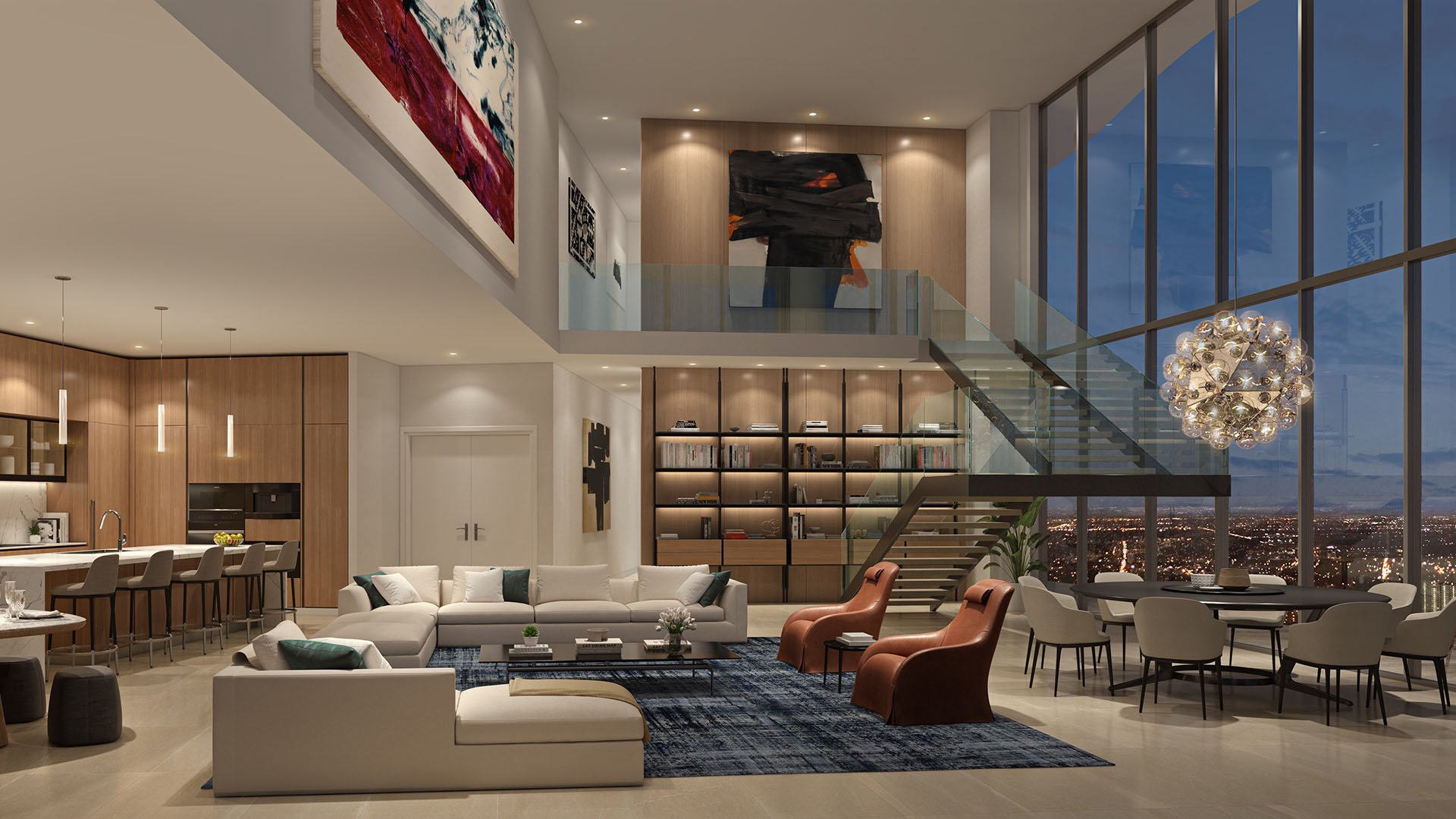
For a part-time Downtown Miami owner, a successful art interior is more than beautiful on arrival. It is planned for the weeks when nobody is there. Lighting, daylight control, mounting, and insurance deserve attention before the final furniture arrangement-not after a painting has found its apparent home.
When considering Aston Martin Residences Downtown Miami, bring a collection brief alongside the residential wish list. Identify sensitive materials, proposed display locations, and decisions that need specialist review. A project's identity is not evidence of any particular residence's conservation conditions.
Treat “museum-grade” as a design ambition, not a certification. The useful question is whether each work's light exposure, support, and care arrangements have been deliberately addressed. Conservation benchmarks guide that conversation; they are neither legal lighting requirements nor guarantees against deterioration.
Begin with what the collection is made of. Works on paper, photographs, textiles, and watercolors generally warrant a display limit of approximately 50 lux. For oil paintings, wood, and similar materials, approximately 150 lux is a conventional conservation benchmark, not a universal safe level.
In a mixed grouping, plan lighting around the most sensitive object. A photograph should not inherit the brighter setting selected for the painting beside it. Material sensitivity and exposure history also matter. Ask a conservator to review works whose needs are uncertain before fixing the lighting scheme.
A useful design brief assigns each work a proposed location and an object-specific lighting target. The interior composition can then follow conservation decisions rather than forcing every object into a uniform wash of light.
White LEDs are preferred for museum displays because they can produce minimal ultraviolet and infrared emissions. But “LED” is not a complete conservation specification. Color rendering, illumination at the object, and operating duration still need attention.
A color rendering index above 90 is a criterion for good- or excellent-quality LED light. Use it as a selection filter, not permission to increase brightness. High color quality and restrained illumination belong in the same brief.
For a residence under consideration at Casa Bella by B&B Italia Downtown Miami, request a lighting review of the proposed hanging locations rather than relying on a presentation image. This is a buyer's due-diligence step, not a statement about installed equipment.
Measure visible light at the artwork with a light meter. Avoid direct sunlight and intense, close-range spot lamps on organic artifacts. Ask the lighting designer to record the final settings so the intended presentation can be restored without repeatedly improvising brighter scenes.
UV protection matters, but it is only one layer. Eliminate ultraviolet radiation from display lighting where possible, or protect objects with UV-absorbing glazing. An ideal conservation benchmark for sensitive and moderately sensitive materials is 0-10 microwatts per lumen.
Checking that figure requires a separate UV meter. A visible-light reading does not establish the UV level, and a satisfactory UV result does not establish that total illumination is appropriate.
Visible daylight can still fade vulnerable surfaces after ultraviolet radiation has been filtered. Blinds, shades, placement, and exposure limits therefore remain essential. Do not treat UV-filtering glazing as permission to place a watercolor in direct sun.
During a viewing, assess the proposed art wall with daylight controls both open and closed. Ask for measurements under the conditions the collection will actually experience, not just the flattering conditions of a single appointment.
Light damage is cumulative. Reducing both intensity and display duration helps limit it, making the departure routine particularly important for a part-time household.
Keep display lighting off when nobody is viewing the collection. A beautifully illuminated empty room adds exposure without adding enjoyment. If automated controls are proposed, ask the designer to demonstrate an away setting that turns display lighting off and places daylight controls in their intended positions.
Make the routine clear to whoever looks after the residence. Record which settings should remain in place, who may change them, and whom to contact before a work is moved. These are recommended operating arrangements, not claims about any building's services.
On returning, verify the controls before restoring the display scene. The goal is a repeatable routine that does not depend on the owner remembering every adjustment.
A compelling wall is not yet an approved hanging location. Before installing a substantial or unusually configured work, ask qualified installation and structural professionals, as appropriate, to assess the actual wall and proposed mounting arrangement.
Provide the artwork's weight, dimensions, frame details, and intended position. Request a documented mounting recommendation that addresses whether reinforcement or further investigation is needed. Avoid universal anchor rules or capacities assumed from appearance alone.
For buyers evaluating Waldorf Astoria Residences Downtown Miami, this conversation should focus on the specific residence and wall under consideration. Ask building management what documentation or permissions, if any, apply before authorizing work; do not assume a particular approval regime.
Florida's region-specific structural and wind-design provisions concern building design. They are not artwork-anchor capacity ratings and should not substitute for an installation assessment.
Keep the insurance review distinct from the conservation and installation briefs. Before placing the collection, speak with a qualified insurance professional and request written clarification tied to the proposed arrangement and actual policy wording.
Describe how the residence will be used and what collection will be kept there. Ask what information the professional needs, which decisions require further review, and what should be confirmed before proceeding. Retain the resulting correspondence with the collection records.
Do not infer an insurance outcome from a lighting specification, a mounting recommendation, or a building's prestige. Settle unresolved questions before installation rather than leaving assumptions to revisit after a problem.
Plan with appropriate professionals how loose objects should be stored or secured ahead of severe weather in Miami-Dade County. Coordinate any collection-related action with those specialists rather than improvising handling instructions.
Before leaving, designate who will act, who can authorize assistance, and how that person can reach the relevant specialists. Keep the lighting settings, installation documentation, and insurance correspondence together. The strongest part-time ownership plan makes responsibilities clear while keeping daily life discreet and uncomplicated.
For a considered approach to finding your Downtown Miami residence, explore MILLION.
If branded residences are on your mind — as a home or as an allocation — we would be glad to share what we are seeing, privately.
Begin a quiet conversationApproximately 50 lux is a conventional display limit for sensitive materials such as photographs, works on paper, textiles, and watercolors. Individual sensitivity and exposure history still require consideration.
No. Approximately 150 lux is a conventional conservation benchmark for oil paintings and similar materials, not a guarantee against deterioration.
Set lighting to the requirements of the most light-sensitive object in the group. Brighter settings suitable for one work may be inappropriate for its neighbor.
No. White LEDs can produce minimal UV and infrared emissions, but visible light can still damage vulnerable surfaces, making intensity and duration important.
A CRI above 90 is a criterion for good- or excellent-quality LED light. It addresses color rendering, not a safe exposure level.
No. Visible daylight remains capable of causing fading, so shades, placement, and exposure limits still matter.
Measure visible-light levels at the object with a light meter and UV with a separate UV meter. The ideal UV benchmark discussed in the article is 0–10 microwatts per lumen.
Keep display lighting off when nobody is viewing the collection. Reducing unnecessary illumination helps limit cumulative exposure.
No. Building structural and wind-design provisions are not artwork-anchor capacity ratings; request an assessment of the actual wall and proposed mounting arrangement.
Discuss the intended collection and use of the residence with a qualified insurance professional. Request written clarification tied to the actual policy wording before proceeding.