For South Florida condominium buyers, leasing freedom is only one part of the decision. Financing eligibility, valuation evidence, ownership rights, and closing requirements deserve separate review before either restrictive or flexible rental policies earn a premium.
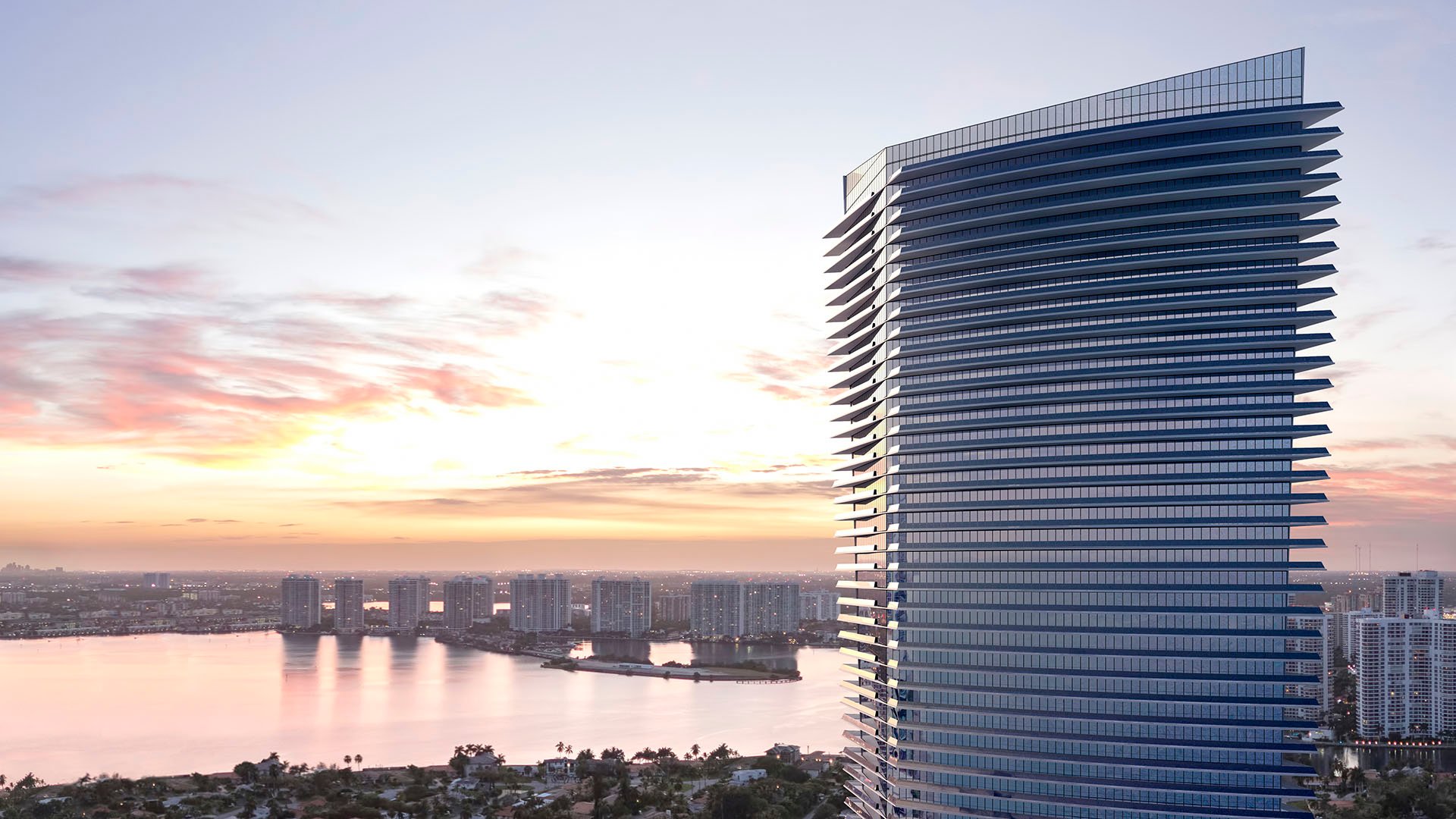
For a South Florida luxury buyer, the choice between strict rental controls and greater leasing flexibility is not simply a choice between privacy and income. It turns on intended use, financing compatibility, ownership rights, and the conditions required to close. Neither policy deserves an automatic premium.
A residence reserved for personal enjoyment calls for a different brief from one intended for periodic leasing. Before comparing buildings, define the use you need, the use you might want later, and the restrictions you would accept. Test those preferences against the governing documents; a general description of rental flexibility is not a contractual right.
The essential distinction is straightforward: permission to rent does not establish mortgage eligibility, and restrictive leasing rules do not establish superior value.
Strict controls may suit a buyer who places little value on leasing access. Greater flexibility may suit someone who wants to lease during periods of absence. These are advantages rooted in personal preference, not evidence that either approach produces higher appraisals or stronger resale prices.
Ask counsel to identify the precise leasing provisions, including any minimum term, frequency limit, approval requirement, or restriction affecting your intended use. These are questions to resolve, not features to assume. The meaningful comparison is between documented permissions and your actual plans.
For a buyer considering The Residences at 1428 Brickell, the first question is the same as for any Brickell purchase: does the applicable ownership framework accommodate the intended occupancy and leasing pattern? A project name alone answers neither that question nor the financing question that follows.
Ordinary rental use must also be distinguished from a hotel or transient-housing operating model. Leasing permission alone does not resolve that classification.
A condominium mortgage can encounter eligibility problems at the project level, independently of the individual residence. Certain conventional mortgage purchase standards exclude condominium hotels and similar transient-housing projects. Choosing an investment-property loan does not necessarily solve the problem: a program can exclude projects that meet its resort or hotel definition even when the borrower intends investment use.
These restrictions are program-specific; they do not mean every financing channel follows identical rules. Ask the proposed lender to identify the applicable project standards and review the operating model before relying on a financing plan.
The review should extend beyond leasing rules. Excessive single-investor ownership concentration and excessive commercial space can create eligibility concerns. Total rental share and ownership concentration are distinct measures; neither should stand in for the other.
Critical repairs, evacuation orders, certain litigation, and insolvency conditions are additional red flags. A building with strict rental controls can still present these issues. Conversely, rental permission alone is not sufficient to classify an otherwise residential project as a hotel.
Request a clear distinction between borrower qualification, unit review, and project eligibility. Confidence in one is not confirmation of all three.
There is no established basis here for concluding that strict controls or greater flexibility consistently produce higher appraisals, better comparable sales, or stronger resale values. Resist both familiar shortcuts: that restricted leasing guarantees prestige pricing, or that additional rental options necessarily justify a higher valuation.
For a Miami Beach buyer evaluating The Perigon Miami Beach, the appropriate request is a property-specific valuation discussion, not a generalized premium attached to a rental-policy category. Ask how the proposed comparable properties relate to the residence's ownership structure and permitted use, and what supports any asserted adjustment.
Keep appraisal and eligibility separate. A financing exclusion is not, by itself, an appraisal conclusion. An attractive valuation does not establish whether the project satisfies the intended loan program.
If the purchase depends on both an acceptable valuation and project approval, ask counsel to review how the contract addresses each. Do not assume protection for one covers the other.
The legal interest being acquired deserves its own review. Under certain conventional project standards, a project can be ineligible when unit owners lack an undivided ownership or leasehold interest in the underlying land. Common elements also matter: those standards exclude projects in which unit owners do not possess sole ownership of the common elements.
This is not a blanket rejection of leasehold interests. It is a reason to establish precisely what interest accompanies the residence and whether that structure meets the proposed financing requirements.
Tenancy-in-common, timeshare, and segmented-ownership arrangements require separate scrutiny. They are not interchangeable with condominium title; they appear among ineligible structures under the same program framework.
For a buyer considering Turnberry Ocean Club Sunny Isles in Sunny Isles Beach, the practical step is to have counsel explain the conveyed estate, land interest, and common-element rights. That request is due diligence, not a conclusion about this project's title or eligibility.
Leasing flexibility and closing flexibility are distinct. A permissive rental policy does not establish how quickly association documents will arrive or what remedies a buyer has if approval is delayed.
Florida's 2025 condominium requirements give an association 10 business days to issue an estoppel certificate after receiving a written or electronic request from an owner, mortgagee, or their designee. The certificate supplies information about assessments and other amounts owed, violations, and applicable association approval requirements.
That statutory delivery period is not a universal approval deadline or an automatic cancellation right. Ask the closing team to coordinate the request with the contract calendar. Have counsel confirm what the agreement provides if documents, financing review, or association approval remain unresolved.
Whether the shortlist includes Alina Residences Boca Raton or a residence elsewhere in South Florida, apply the same sequence: confirm permitted use, obtain a project-level financing assessment, evaluate valuation evidence, establish title rights, and align closing requirements with the agreement.
Strict rental controls can fit an ownership plan that does not depend on leasing. Greater flexibility can fit a plan that does-but only when the actual permissions and operating structure support it. The more disciplined purchase is one whose documents, financing, and contractual protections work together, without assumptions about either policy.
For a considered approach to South Florida luxury ownership, explore MILLION.
If branded residences are on your mind — as a home or as an allocation — we would be glad to share what we are seeing, privately.
Begin a quiet conversationNo. Project-level conditions such as critical repairs, certain litigation, ownership concentration, and commercial space can affect eligibility independently of leasing restrictions.
Not by itself. Ordinary rental use must be distinguished from a hotel or transient-housing operating model under the proposed loan program's standards.
Not necessarily. An investment-property mortgage program can exclude projects meeting its resort or hotel definition.
No consistent appraisal advantage is established for either flexible or restrictive leasing policies. Request property-specific valuation support rather than assuming a policy premium.
No. The proportion of rented units and the concentration of ownership are distinct measures and should be reviewed separately.
Certain conventional project standards identify projects as ineligible when unit owners lack an undivided ownership or leasehold interest in the underlying land.
No. Tenancy-in-common appears among ineligible structures under certain conventional project standards and requires separate review.
Under Florida's 2025 condominium requirements, the period is 10 business days after receipt of a written or electronic request from an owner, mortgagee, or their designee.
It provides information about assessments and other amounts owed, violations, and applicable association approval requirements.
Do not assume an automatic cancellation right. Have counsel review the agreement's deadlines and protections for unresolved association approval.