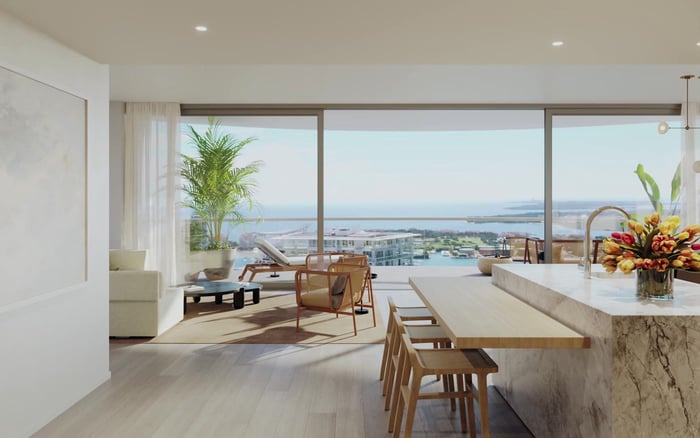
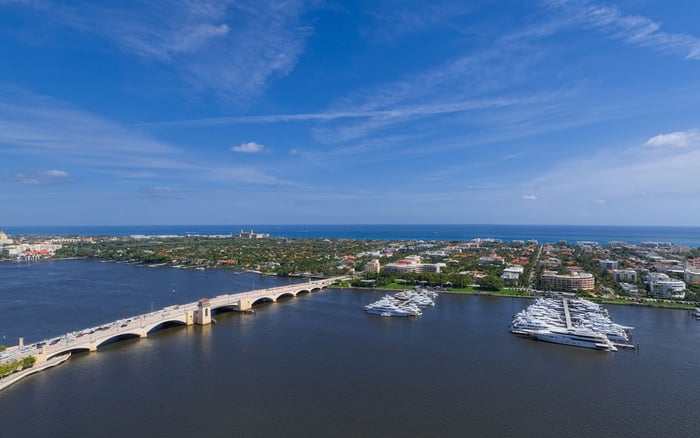
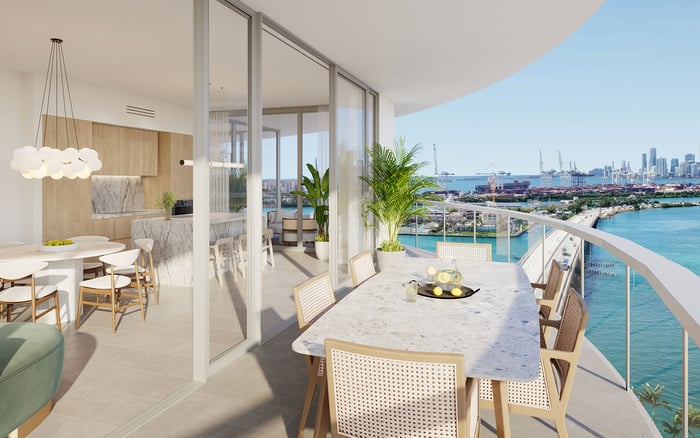
Miami Beach and Palm Beach offer distinct settings for a luxury second home. Compare the routes you will actually walk, the entertaining you enjoy, the wellness facilities you will use, and the documented services that support ownership while you are away.

Choosing between Miami Beach and Palm Beach is less about declaring a winner than finding the setting that makes your preferred day feel effortless. A spontaneous dinner, a morning workout, an afternoon browsing boutiques, and a departure with household arrangements settled are distinct forms of luxury. They do not necessarily come together at every address.
The strongest comparison rests on four questions: what you can comfortably reach on foot, how you like to entertain, which wellness services you will use, and who takes responsibility when you leave. Impressions of each municipality are useful starting points, but the residence and its operating arrangements should decide the purchase.
For a buyer considering Setai Residences Miami Beach, the practical exercise is to test daily routes and request a precise service schedule-not treat the project name as an answer to every lifestyle question.
Lincoln Road is a clear reference point for an activity-oriented Miami Beach search. The outdoor pedestrian promenade brings together more than 200 shops, cafés, galleries, and other businesses, along with public art, cultural programming, and events. As a public street, it is open around the clock, though individual businesses set their own hours.
That concentration can make dining and browsing a natural extension of home life for nearby residents. It does not establish equivalent convenience throughout Miami Beach. Walk from the actual building entrance to the places you expect to frequent, checking crossings, evening conditions, and the return journey.
Worth Avenue offers a different focus: luxury retailers, restaurants, eateries, and cafés near the Atlantic Ocean. Its Mediterranean-style arcaded shops and pedestrian courtyards, known as vias, form a distinct shopping-and-dining district for buyers to evaluate.
If Palm Beach Residences is on your shortlist, assess its actual relationship to those destinations. The question is not whether Palm Beach is walkable in the abstract, but whether your chosen address supports your routine.
Lincoln Road's mix of retail, dining, and cultural activity is a useful starting point for buyers who like to build an evening around several nearby destinations. Worth Avenue offers a concentrated setting for shopping, lunch, and dining-oriented entertaining. Neither district alone establishes a citywide nightlife advantage.
Consider what entertaining means in your household. Will guests meet you at a restaurant, return for drinks afterward, or spend most of the evening inside the residence? The answers determine the importance of pedestrian access, guest arrival arrangements, and usable living space.
Some Miami Beach luxury condominium offerings include owner lounges, concierge, valet, and, in some cases, on-site dining or room service. Availability varies by building. When evaluating Five Park Miami Beach, ask which services and spaces are available to owners and guests, which require reservations, and which carry an additional charge. Do not apply a general market description to a specific property.
A long amenity list is not the same as a workable wellness routine. Miami Beach luxury condominium offerings can include resort pools, spas, gyms, and beach-club access, but those features are not universal. Their value depends on access, hours, capacity, and the services actually available.
In either market, ask to see the fitness facilities and clarify whether personal training, yoga or Pilates space, treatment rooms, steam rooms, or saunas are included. Distinguish the presence of a room from the availability of practitioners, and owner access from paid appointments or memberships.
For a shortlist that includes The Perigon Miami Beach, apply the same discipline: verify the specific offering, delivery status, operating hours, fees, and eligibility rather than infer a wellness package from positioning.
There is no basis here for declaring either market superior in wellness-facility density or membership value. The better choice is the residence that supports the routine you will maintain.
Ocean proximity is part of the appeal, but the journey to the beach deserves a separate assessment from the journey to dinner. Worth Avenue's proximity to the Atlantic helps frame a location search; it does not establish the beach route from every Palm Beach residence. The same address-specific discipline applies in Miami Beach.
Walk the route from the entrance you would normally use. Examine crossings and access points, and consider whether the trip suits your preferred time of day. A location can work beautifully for shopping yet require a different plan for the beach.
Treat any advertised beach-club access as a separate service question. Confirm owner eligibility, guest rules, charges, and operating arrangements. A beach-related amenity should complement a location you understand, not replace the work of checking it.
Concierge, security, valet, private elevator entry, and on-site management can be relevant to seasonal ownership. None, on its own, establishes that someone will inspect your residence, coordinate maintenance, or manage an emergency during a prolonged absence.
Ask who is responsible for each task and where that responsibility is documented. Request staffing schedules, emergency-response procedures, vendor-access policies, package-handling arrangements, storm preparations, and the scope of generator coverage. Clarify rental and guest restrictions before assuming that family or visitors can use the residence while you are away.
The financial review belongs alongside the service review. Examine association budgets, minutes, reserves, insurance, assessments, inspection reports, and hurricane-repair records. These documents help you assess the financial and operational context behind a lock-and-leave promise.
For seasonal owners, convenience should mean a clear chain of responsibility, not merely a staffed arrival experience. Confirm which services are included, which require separate arrangements, and how you will receive updates after an incident.
Build your final comparison around a realistic week in residence and a realistic period away. Identify your regular dining destinations, preferred shopping route, workout schedule, beach routine, and expectations for hosting. Then test each shortlisted address against those needs.
Miami Beach may suit a buyer drawn to the activity represented by Lincoln Road, provided the residence makes that activity accessible. Palm Beach may suit a buyer whose priorities align with Worth Avenue's boutique shopping and dining setting, again subject to the actual route. Neither preference should outweigh an unsuitable building or unclear services.
The decisive luxury is alignment: a home whose surroundings and operations serve the way you intend to live. Choose the address that meets your priorities, rather than the municipality with the more persuasive reputation.
For a discreet next step in comparing residences with your ownership priorities, explore MILLION.
If branded residences are on your mind — as a home or as an allocation — we would be glad to share what we are seeing, privately.
Begin a quiet conversationThe comparison depends on the address and destinations. Lincoln Road and Worth Avenue both provide concentrated settings for walking, shopping, and dining, but neither establishes citywide convenience.
It combines more than 200 shops, cafés, galleries, and other businesses with public art and cultural activity. Buyers should test the route from the specific residence.
Lincoln Road is a public street open 24/7. Individual shops and restaurants set their own opening hours.
Worth Avenue offers luxury shopping, restaurants, and cafés near the Atlantic Ocean. Its arcaded shops and vias provide a distinct setting for browsing and dining.
That depends on whether you prefer dining out, moving between destinations, or hosting at home. Compare nearby venues and the residence's guest policies rather than assuming a citywide advantage.
No. Pools, spas, gyms, and beach-club access vary by building, and service availability, fees, and owner eligibility require verification.
Ask about personal-training areas, yoga or Pilates rooms, treatment rooms, steam rooms, and saunas. Confirm which facilities and services are actually available.
No. Concierge service does not establish responsibility for residence inspections, maintenance, or emergency management during an owner's absence.
Request staffing schedules, emergency procedures, vendor-access rules, package handling, storm preparations, and generator coverage. Also clarify guest and rental restrictions.
Review association budgets, minutes, reserves, insurance, assessments, inspection reports, and hurricane-repair records. Evaluate these alongside the building's documented services.