For seasonal buyers comparing Downtown Miami and Edgewater, the most useful distinction is operational: how each residence fits planned stays, event attendance, entertaining, vacancy oversight, and household staffing.
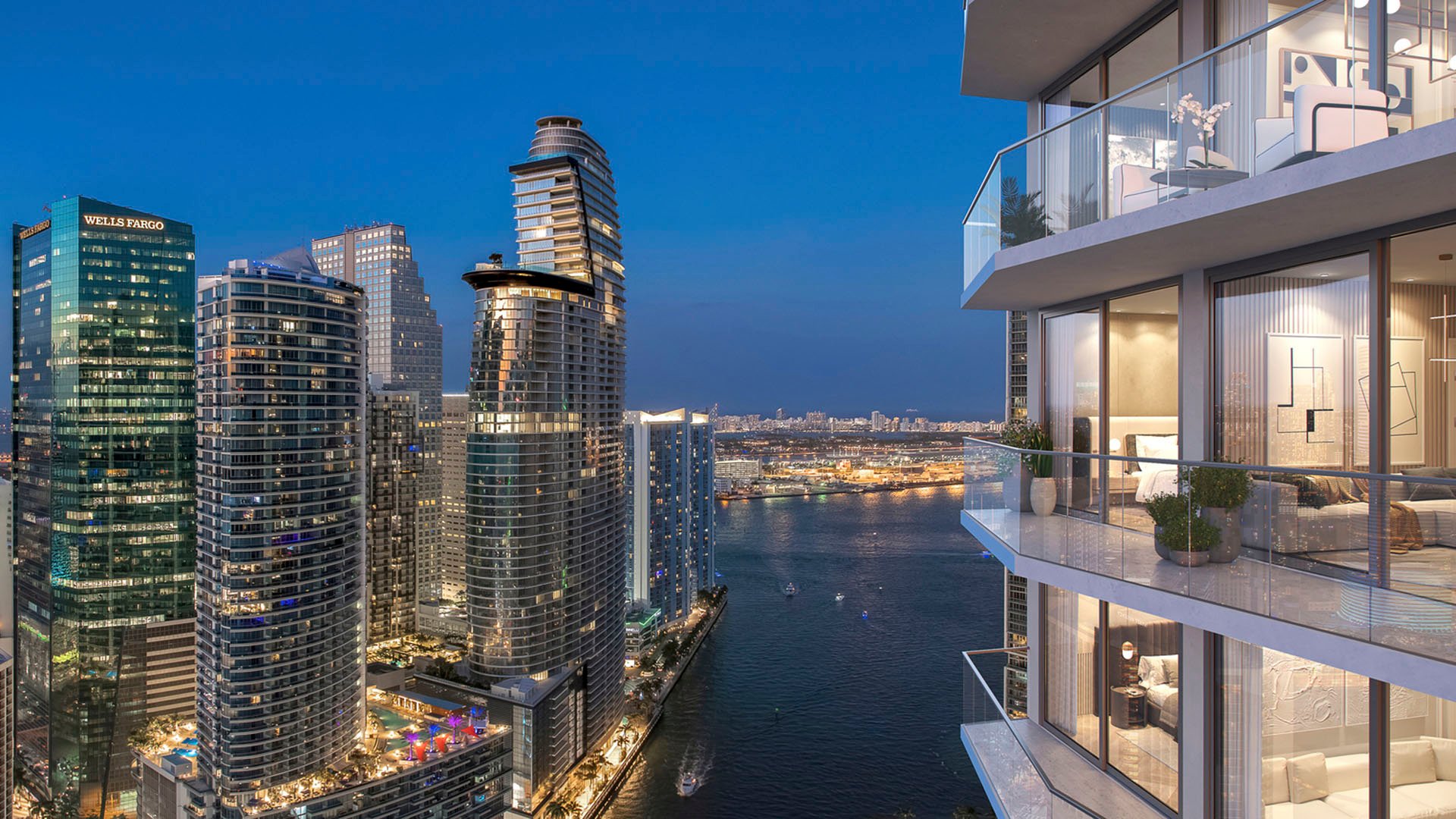
The choice between Downtown Miami and Edgewater is often presented as a contrast between urban energy and a waterfront-oriented residential setting. For a seasonal owner, the more useful comparison begins with operations: when the home will be occupied, what each stay is meant to accomplish, and which responsibilities must be handled before, during, and after every visit.
A buyer can begin by mapping anticipated stays across the year. Each visit should be considered in relation to personal commitments, entertainment plans, family travel, and periods when the residence will remain vacant. This process turns a broad neighborhood preference into a practical ownership brief.
The right seasonal residence should make the owner’s annual routine easier to manage.
Downtown Miami may appeal to an owner who wants an urban setting to play a central role in each visit. The relevant question is not simply whether the neighborhood feels active, but whether that setting supports the buyer’s actual plans.
Buyers considering Aston Martin Residences Downtown Miami and Waldorf Astoria Residences Downtown Miami can compare how each residence fits expected arrivals, guest schedules, private entertaining, and time spent away from the home. A seasonal owner should also examine how building procedures affect deliveries, vendors, household personnel, and residence preparation.
An event-centered ownership plan can create concentrated periods of use. That may call for detailed pre-arrival work, flexible housekeeping, transportation coordination, and support for guests. Buyers should define those needs before deciding that proximity alone will deliver the desired experience.
Edgewater may suit buyers who want a waterfront-oriented residential setting while retaining an urban Miami lifestyle. That preference should still be tested against the same operating questions applied Downtown.
EDITION Edgewater and Villa Miami provide two relevant project comparisons for buyers studying the neighborhood. Beyond architecture and amenities, seasonal owners can assess how each property would support their routines, privacy expectations, entertaining style, and household service plan.
A quieter personal routine does not necessarily mean a simpler household. A residence used for family visits or private dining may require significant preparation even when the owner’s public calendar is limited. Conversely, an owner with a streamlined routine may need only a focused plan for inspections, cleaning, deliveries, and opening the home before arrival.
Household staffing should follow the ownership schedule rather than a neighborhood stereotype. The first step is to list the duties that must continue while the residence is vacant. The second is to identify tasks that arise only when the owner or guests are present.
Vacancy-period responsibilities may include coordinating approved vendors, monitoring maintenance, receiving authorized deliveries, and preparing the residence for an upcoming stay. Occupied-period needs may include housekeeping, meal service, transportation coordination, childcare, personal assistance, or support for entertaining. Not every household will require each function, and buyers should avoid designing a team before defining the work.
The building’s own scope of service also matters. Owners should ask which requests are handled by building personnel, which require private staff, and what access procedures apply to outside vendors. These details can shape the practical staffing model in either neighborhood.
A seasonal owner may prefer ongoing oversight, support concentrated around planned stays, or a combination of both. The appropriate structure depends on the residence, the length of vacancy periods, the complexity of the household, and the owner’s expectations for arrival readiness.
Ongoing oversight can provide continuity when multiple vendors, recurring maintenance items, or detailed household protocols must be coordinated. Arrival-based support may fit a more limited brief when the residence requires defined preparation and closing procedures rather than continuous management. A hybrid structure can separate year-round oversight from services needed only during occupancy.
Buyers should document responsibilities clearly. A practical household brief can identify decision-making authority, vendor contacts, privacy expectations, guest protocols, emergency procedures, and the standard required before each arrival. This planning is more useful than assuming that a job title carries the same duties in every home.
The neighborhood decision should eventually narrow to a building-level comparison. Seasonal ownership depends on more than the residence’s layout or view; it also relies on the procedures that govern access and service.
Useful due-diligence questions include how authorized personnel enter, where deliveries are received, how advance notice is handled, and which spaces are available for household operations. Buyers can also ask how the residence will be checked during vacancies and how preparation tasks will be coordinated before an owner’s return.
These questions are relevant in both Downtown and Edgewater. The answers may reveal that two residences within the same neighborhood support very different ownership models.
A disciplined comparison starts with a full year rather than a single visit. Mark expected stays, guest periods, private events, and extended vacancies. Then define what must happen before arrival, during occupancy, and after departure.
Downtown may be the stronger fit when an owner wants the residence to function as an urban platform for a schedule built around city activity. Edgewater may be more compelling when the buyer prioritizes a waterfront-oriented home base. Neither description replaces project-level diligence or a clear household plan.
The final decision should align three elements: the purpose of the residence, the owner’s calendar, and the service model required to maintain it. When those elements are considered together, the comparison becomes less about choosing a label and more about selecting the setting that supports the intended South Florida lifestyle.
For discreet guidance on selecting a Miami residence that fits your seasonal operating plan, connect with MILLION.
If branded residences are on your mind — as a home or as an allocation — we would be glad to share what we are seeing, privately.
Begin a quiet conversationStart with anticipated stays, entertaining plans, vacancy periods, and service expectations. Then evaluate how individual residences support that operating plan.
Downtown may suit buyers who want an urban base connected to an event-centered personal calendar. The fit depends on the owner’s specific routine and chosen building.
Edgewater may appeal to buyers seeking a waterfront-oriented residential base. Project-level procedures and services should still be reviewed carefully.
Yes, if events shape when and how the owner uses the residence. Buyers should map those stays before comparing buildings.
No. The appropriate structure depends on vacancy periods, household complexity, service expectations, and the duties that must continue year-round.
Owners may need a plan for authorized vendor coordination, maintenance oversight, deliveries, inspections, and pre-arrival preparation. The exact scope depends on the residence and household.
It should define duties, decision-making authority, privacy expectations, vendor contacts, guest protocols, and arrival standards. Clear responsibilities help avoid gaps or duplication.
Access, delivery, vendor, and service procedures affect how efficiently a residence can be maintained and prepared. These details can differ by property.
Yes. A hybrid structure can separate continuing residence oversight from services needed only during occupied periods.
Compare specific residences against a twelve-month ownership plan. The selected property should support the owner’s calendar, lifestyle, and preferred service model.