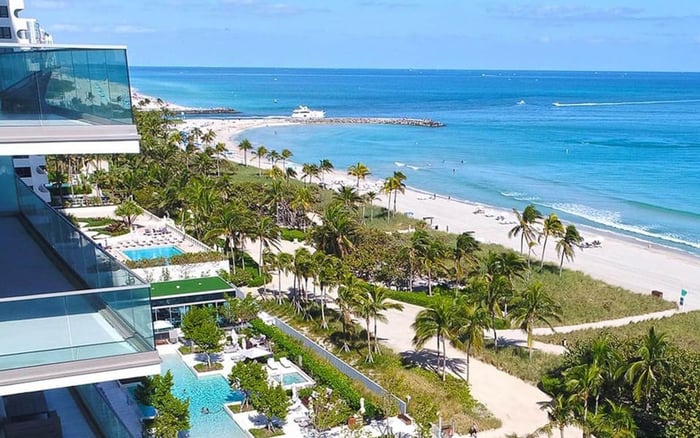
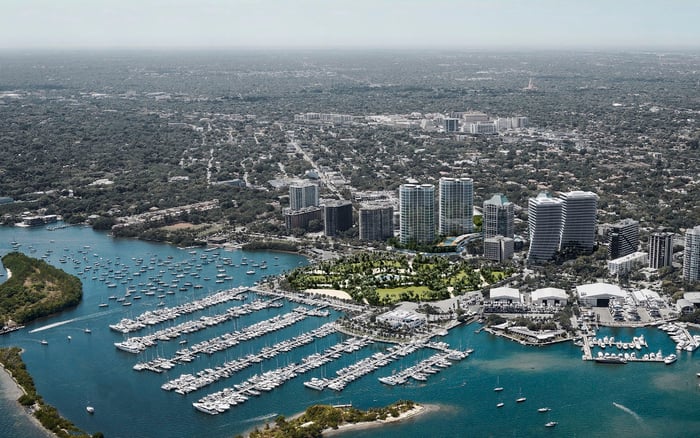
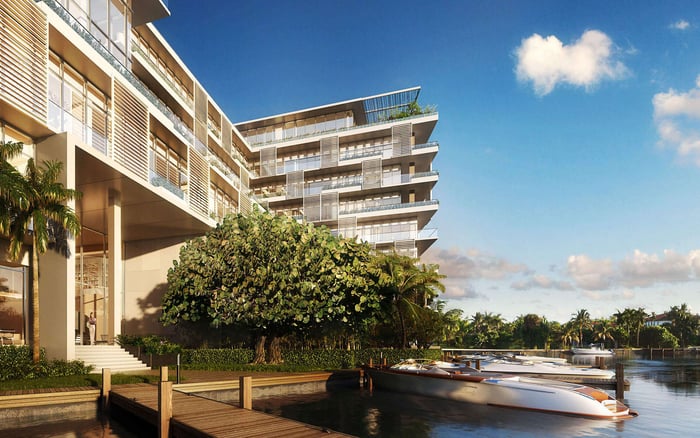
Choosing between Brickell and Bal Harbour requires more than a preference for bay or ocean views. Historical flooding, address-specific flood designations, building continuity and carefully aligned insurance coverage provide a more useful framework for evaluating waterfront ownership.
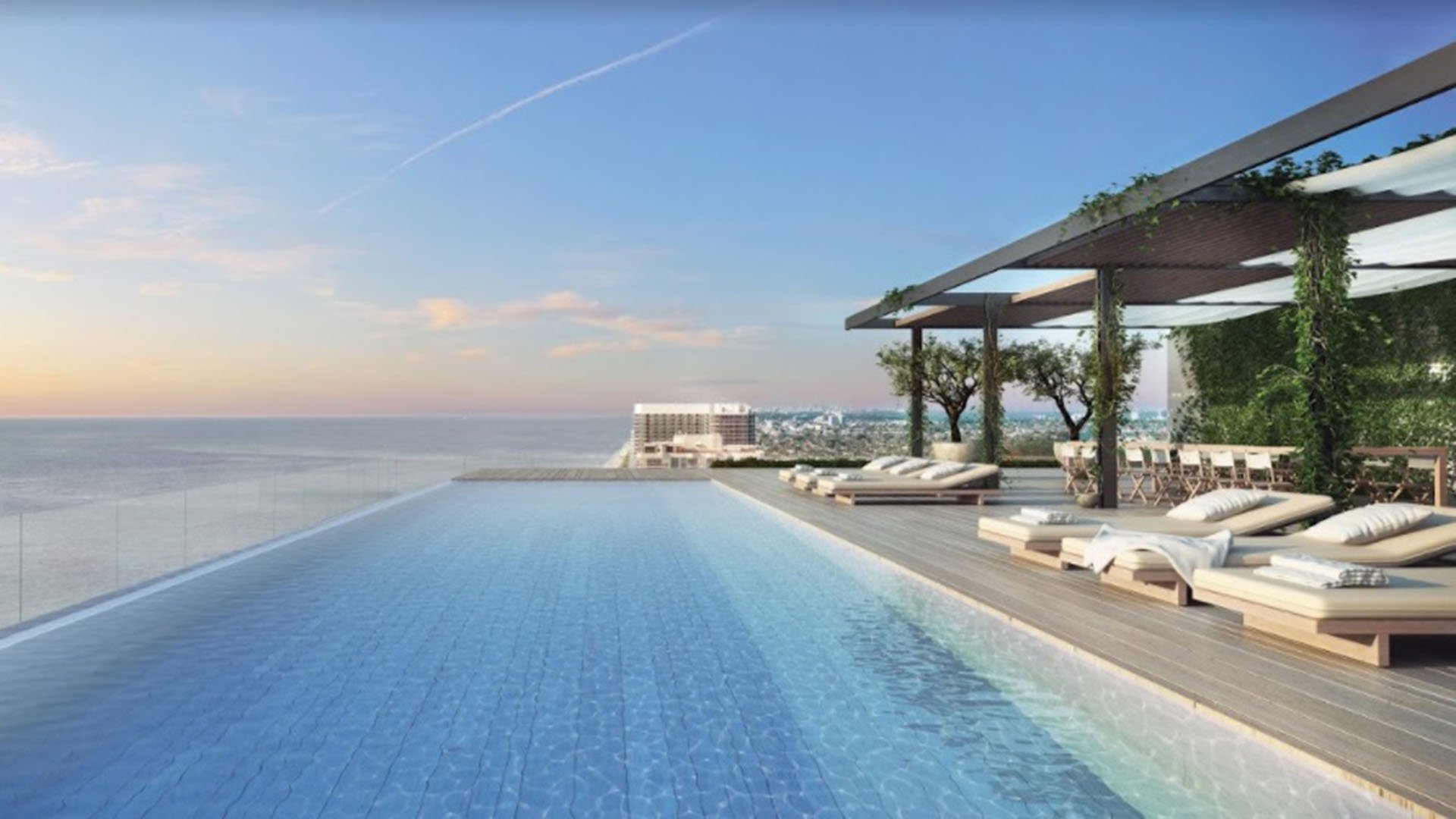
The choice between Brickell and Bal Harbour may begin with the horizon, but it should not end there. For a waterfront condominium buyer, the more consequential questions concern the property beneath the residence: its flood designation, shoreline conditions, essential equipment and ability to function after a storm. An exceptional view and a well-documented ownership proposition are separate considerations.
Neither neighborhood warrants a blanket designation as the safer or less expensive insurance choice. The useful comparison is between specific buildings, units and coverage terms-not simply bayfront and oceanfront labels. A sound purchase decision pairs the preferred setting with a coordinated review of the building’s physical planning, operating procedures and insurance arrangements.
Brickell’s bayfront position does not eliminate storm-surge risk. During Hurricane Irma in September 2017, surge and rainfall flooded neighborhood streets, with water spilling over the seawall along Brickell Bay Drive.
Average inundation along the Biscayne Bay shoreline from Homestead to Downtown Miami/Brickell was documented at 3-5 feet, extending inland one to two blocks. Those figures describe that shoreline corridor during a particular storm, not a uniform depth throughout Brickell. Isolated surveyed locations in Brickell and Coconut Grove exceeded six feet, but those were localized peaks.
For a buyer considering Una Residences Brickell, that history is a reason to ask precise questions-not a basis for assigning the project a flood depth or performance record. Request the property’s flood designation, available elevation documentation, shoreline records where applicable and an explanation of how water could affect entry points.
Historical flooding does not establish today’s seawall condition or prove that mitigation work has been completed. Ask for inspection and maintenance records, the scope of any protective work and documentation of its completion. Distinguish proposed improvements from installed measures, and installed measures from those whose condition has been recently assessed.
Most of Bal Harbour is designated a Special Flood Hazard Area. Substantial Zone AE exposure makes address-level flood diligence central to the purchase process, even when the residence itself sits well above ground level.
The 1% annual-chance base flood should be read literally: it refers to an annual probability, not an event that arrives only once every century. It is neither a timetable nor an assurance of protection following a previous storm.
When evaluating Oceana Bal Harbour, begin with the official flood map for the specific address rather than applying a village-wide designation without verification. Have the applicable designation and elevation information reviewed alongside the building documents and proposed financing.
Properties in Special Flood Hazard Areas generally require flood insurance when securing mortgages from federally regulated or insured lenders. Confirm the requirement for the particular property and loan. A lender’s requirement is one part of diligence, not a substitute for assessing whether the proposed coverage fits the buyer’s exposure.
Bayfront and oceanfront describe settings; neither establishes a tower’s wind-design criteria. Do not assign Exposure C or D from the waterfront label. Request the actual design criteria and relevant component approvals, and have qualified advisers explain their implications for the residence under consideration.
Bal Harbour’s Ocean Front District ordinance addresses building heights, rooftop structures and storm or hurricane shutters. That local framework merits review, but it does not establish that Bal Harbour applies stricter high-velocity hurricane-zone standards than Brickell, or that every building performs alike.
For a purchase at Rivage Bal Harbour, apply the same discipline: request the applicable design documentation and clarify storm-preparation responsibilities. Ask who secures shutters where present, what the owner must arrange and how those obligations are communicated. These are diligence requests, not assertions about the project’s installed systems.
A residence’s elevation and the building’s ability to remain usable are different questions. Review possible garage and lobby flooding separately from direct water exposure at the unit. Then ask where electrical equipment is located, what backup power is intended to support and how elevator service would be managed after an interruption.
Apply the same review to a comparison involving St. Regis® Residences Brickell. Request the applicable emergency plan rather than inferring continuity from branding, architecture or floor height. Establish which procedures are documented and which operational details still need confirmation.
Ask management to explain pre-storm preparations, resident communications during an interruption and the conditions for post-storm access. For owners who may be away, clarify responsibility for preparing the residence and authorizing entry. The objective is not a promise of uninterrupted service, but a clear understanding of responsibilities and limitations.
There is no sound neighborhood-wide shortcut to comparing premiums. Flood zone, elevation, building structure and carrier are material pricing variables. Obtain address-specific National Flood Insurance Program and private-market quotes, then compare coverage terms rather than assuming the lowest premium offers the best fit.
Build the review around three connected questions:
What does the association insure? Request master policies, flood coverage details, limits, exclusions, hurricane deductibles and renewal information. Ask the insurance adviser to identify relevant gaps or uncertainties.
What should the unit owner insure? Obtain a quote for the specific residence and have the adviser explain how it aligns with association coverage. Do not assume the master policy resolves every owner-level concern.
What remains the owner’s financial responsibility? Ask how applicable deductibles would operate, how they are calculated and whether association documents create potential owner obligations after a loss.
Request loss history alongside current policies. A premium without policy terms and claims context is an incomplete comparison. Keep assumptions consistent across candidate properties so that differences in limits or deductibles do not masquerade as savings.
Brickell’s documented surge history directs attention to shoreline entry points, street access and present-day mitigation records. Bal Harbour’s extensive mapped flood exposure makes parcel verification and financing-related coverage requirements an immediate priority. Neither emphasis justifies skipping the questions raised by the other neighborhood.
Before committing, assemble a comparable file for each finalist: official flood information, relevant elevation and design documents, seawall records where applicable, emergency procedures, master policies, unit-owner quotes and loss history. Ask advisers to distinguish confirmed conditions from assumptions. The preferred address should satisfy both the lifestyle brief and the practical requirements of ownership.
For a discreet conversation about choosing your South Florida waterfront residence, connect with MILLION.
If branded residences are on your mind — as a home or as an allocation — we would be glad to share what we are seeing, privately.
Begin a quiet conversationA bayfront location does not eliminate storm-surge risk. Hurricane Irma’s surge and rainfall flooded Brickell streets in September 2017.
No; the 3–5-foot average described the Biscayne Bay shoreline corridor from Homestead to Downtown Miami/Brickell, while depths exceeding six feet were localized observations in Brickell and Coconut Grove.
Most of Bal Harbour has that designation, but buyers should verify the official flood map for the specific property rather than assume a village-wide classification applies everywhere.
It describes an annual probability, not a flood that occurs only once every century. A previous storm does not create a guaranteed interval before another event.
Properties in Special Flood Hazard Areas generally require flood insurance when securing mortgages from federally regulated or insured lenders. Confirm the requirement for the specific property and financing.
Unit elevation does not resolve questions about garages, lobbies, electrical equipment, elevators or post-storm access. Review those building-continuity issues separately.
The local ordinance discussed here does not establish that comparison. Buyers should examine the actual building design criteria and component approvals instead of assuming a neighborhood advantage.
Those labels alone should not determine the classification. Request the tower’s actual design criteria and have a qualified adviser review them.
Request association master policies, flood coverage details, hurricane deductibles, loss history and a unit-owner quote. Have an insurance adviser explain how the policies align and what obligations may remain.
No neighborhood-wide cost advantage is established here. Compare address-specific quotes using consistent limits and deductibles, accounting for flood zone, elevation, structure and carrier.