Bal Harbour offers connected oceanfront living and clearer price discovery, while Fisher Island prioritizes geographic separation, club-centered amenities and exceptionally low density.
Bal Harbour and Fisher Island occupy the same rarefied tier of South Florida real estate, yet they deliver privacy in fundamentally different ways. Bal Harbour is a compact oceanfront condominium corridor where staffed lobbies, controlled elevators and full-service residences create discretion within a connected setting. Fisher Island uses geography as its first layer of separation, with access by ferry or private vessel and golf carts as the customary mode of transportation on the island.
For buyers, the decision is less about choosing the more prestigious address than selecting the preferred operating system for daily life. Bal Harbour offers direct proximity to luxury retail and a recognizable collection of towers. Fisher Island offers a self-contained, club-centered environment across 216 acres with fewer than 800 residents.
The defining choice is between privacy within connectivity and privacy through separation.
Bal Harbour's density is vertical. Luxury condominium and hotel-residence towers-including Oceana, St. Regis and Ritz-Carlton-anchor the neighborhood. The scale can feel composed rather than crowded because privacy is managed at the building level, though residents remain part of an active oceanfront enclave.
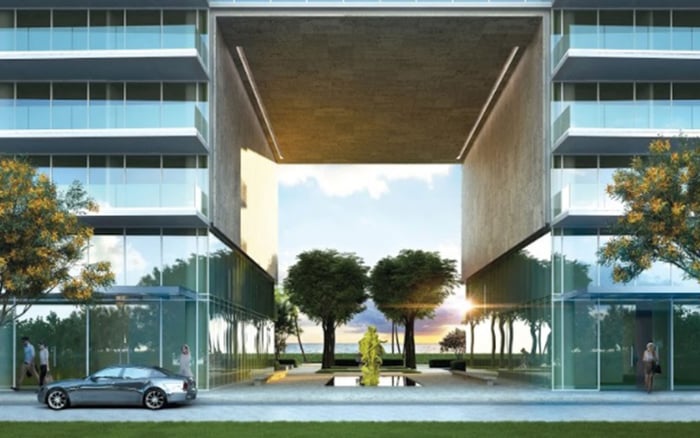
illustrates the model, with 240 residences in two 28-story towers across 5.5 oceanfront acres. Its defined residential population, substantial grounds and direct ocean frontage give buyers a measurable framework for assessing density in a tower setting.
Fisher Island is physically broader and considerably less populated. Its residential fabric is primarily condominium-based and distributed among separately governed enclaves, with 21 condominium associations and two homeowners associations. A limited collection of custom estate homes adds another layer of scarcity. The Links Estates at Fisher Island represents this less common format on an island otherwise dominated by condominium ownership.
The practical distinction matters. Bal Harbour buyers should compare elevator access, floor plans, staffing and the number of residences sharing a building. Fisher Island buyers must look beyond island-wide population figures to the character, governance and financial position of the specific association they are entering.
Bal Harbour generally packages amenities within each condominium or hotel-residence. Full-service spas, heated oceanfront pools, cabanas, direct beach access, fitness facilities and sports courts are common components of the luxury offering. At St. Regis, the residential experience includes butler service, spa access and on-site dining, with Bal Harbour Shops directly across the street.
This structure offers clarity: the buyer evaluates a defined building program and its associated charges. Service quality, reservation policies, guest access and the relationship between hotel and residential operations still require scrutiny, but the amenity proposition is largely attached to the residence itself.
Fisher Island separates residential ownership from its broadest lifestyle layer. Fisher Island Club equity membership is optional for property owners and provides unrestricted access to the island's principal club amenities. These include a private beach club, nine-hole golf course, spa, tennis facilities, restaurants, fitness facilities and a boutique hotel. The private beach is distinguished by imported Bahamian sand.
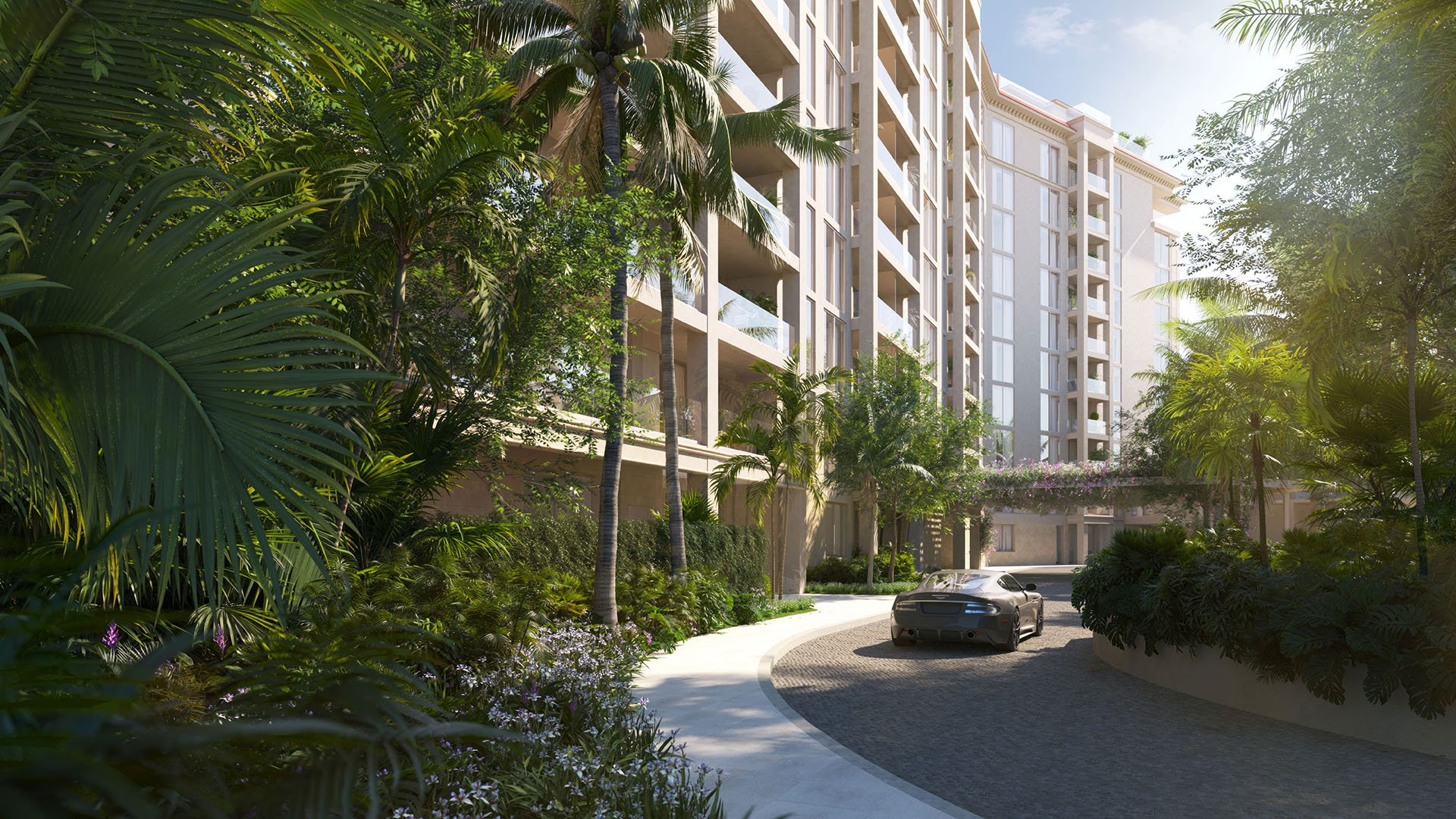
That structure can be compelling for households seeking an integrated social and recreational setting. It also requires buyers to distinguish between amenities conveyed through the condominium association and those dependent on club membership. At The Residences at Six Fisher Island, the disclosed program includes two resort-style pools, club membership, private dining and extensive residential services. Terms and costs should nevertheless be reviewed in the current transaction documents.
Bal Harbour supports a more outward-facing routine. Luxury retail is walkable, while mainland connectivity allows residents to move between home, shopping and the wider Miami area without an island transfer. Privacy remains strong, but it is delivered through service and access control rather than physical isolation.
Fisher Island asks residents to embrace a threshold. Ferry or private-vessel access reinforces security and separation, while golf-cart movement shapes the pace within the community. For some buyers, that transition is the central luxury. For others-especially those with frequent off-island commitments-it is an operational consideration that should be tested at their expected travel times.
Daily conveniences reduce some of that friction. A gourmet market, bank and post office are available on-island, alongside practical services including a grocery store, dry cleaner and nearby first responders. These provisions support a self-contained rhythm without eliminating the need to plan off-island movement.
Headline association fees are not directly comparable between the two markets. Oceana's HOA charge was estimated at approximately $2.10 per square foot in 2025. On Fisher Island, average condominium fees were roughly $1.15 per square foot, plus an approximately $2,800 monthly community-association charge.
Those figures are reference points, not substitutes for current diligence. On Fisher Island, a buyer may need to evaluate condominium fees, community-association charges and club costs separately. In Bal Harbour, the analysis should account for the building's service intensity, reserve position, insurance, assessment exposure and any hotel-residence operating structure.
The more useful question is not which headline number is lower, but what each layer funds, how predictable the obligation appears and whether the resident will use the services enough to justify the structure.
Bal Harbour has an advantage in visible price discovery. Its internationally recognized towers and documented transaction activity give buyers and sellers a larger set of observable reference points. Oceana recorded 15 sales during a 12-month period, averaging about $2,561 per square foot and $8.67 million per transaction. Its steady resale performance is supported by end-user demand.
Fisher Island's smaller population, controlled access and higher-cost ownership structure imply a narrower potential resale audience. That does not establish weak value or predict a particular marketing period. It means the eventual buyer pool may be more specialized, with purchasers evaluating not only the residence but also association governance, island charges, club participation and transportation preferences.
The comparison should remain directional. Equivalent Fisher Island closed-sale volume is not available here, and liquidity can vary sharply by residence. Building reputation, view, floor, condition, asking price and assessment exposure can outweigh a neighborhood-level conclusion. A singular Fisher Island home may attract precisely the right buyer, while an improperly priced Bal Harbour residence can still remain on the market.
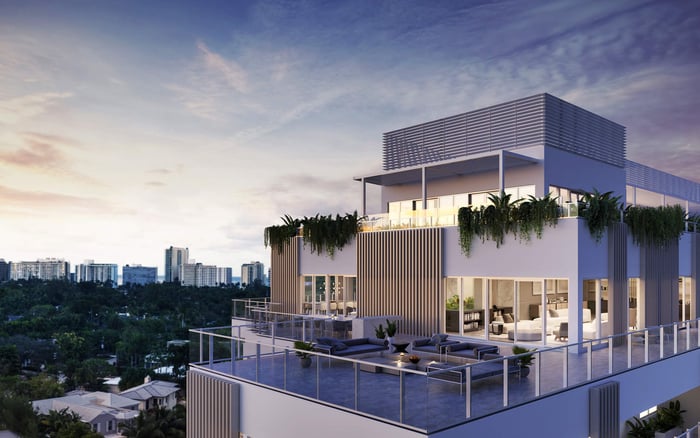
Bal Harbour is likely to suit buyers who want oceanfront service, recognizable architecture, walkable luxury retail and easier integration with greater Miami. Its privacy is curated, staffed and building-specific. Buyers drawn to this model may also consider how newer offerings such as Rivage Bal Harbour fit their desired balance of residence count, services and long-term ownership costs.
Fisher Island is better aligned with buyers who value geographic isolation, controlled access and a comprehensive private-club environment. Its low-density character is not merely visual; it influences transportation, social life, recreation and the economics of ownership.
Before committing, compare the full annual carrying-cost stack, current membership terms, association governance, reserve and assessment information, service access, guest policies and realistic travel patterns. For resale planning, ask for recent transactions in the specific building or enclave rather than relying solely on area-wide impressions. The right answer is the address whose privacy model remains desirable after the novelty becomes routine.
For private guidance on Bal Harbour and Fisher Island opportunities, connect with MILLION.
If branded residences are on your mind — as a home or as an allocation — we would be glad to share what we are seeing, privately.
Begin a quiet conversationYes. Fisher Island spans 216 acres and has fewer than 800 residents, while Bal Harbour is structured as a compact vertical condominium corridor.
Fisher Island is reached by ferry or private vessel. Golf carts are the customary form of transportation within the island.
Club equity membership is optional for property owners, and membership provides unrestricted access to the principal club amenities. Buyers should confirm current terms for a specific residence.
Common offerings include spas, heated oceanfront pools, cabanas, direct beach access, fitness facilities and sports courts.
Bal Harbour offers walkable access to luxury retail, including the setting around Bal Harbour Shops. Fisher Island emphasizes a self-contained island lifestyle.
Yes. On-island conveniences include a gourmet market, bank, post office, grocery store, dry cleaner and nearby first responders.
Compare condominium fees, community-association charges, club costs and assessment exposure separately. A single headline HOA figure may not capture the full obligation.
Bal Harbour offers more visible price discovery through recognized towers and documented activity. The comparison is directional because liquidity varies by individual residence and equivalent Fisher Island volume was not supplied.
Building reputation, view, floor, condition, asking price and assessment exposure can materially affect demand and marketing time.
It best suits buyers prioritizing geographic separation, controlled access and a comprehensive private-club environment.