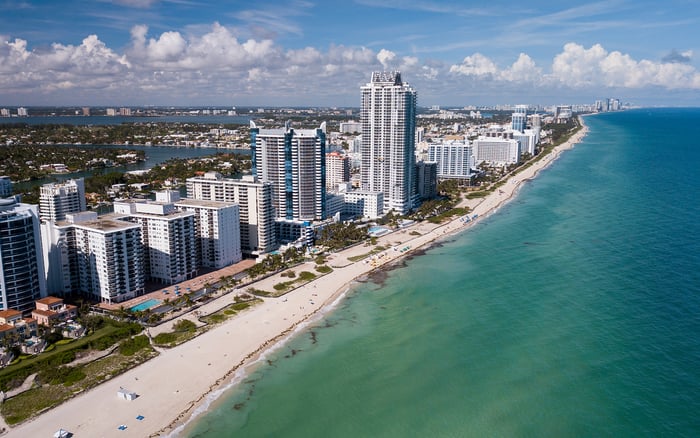
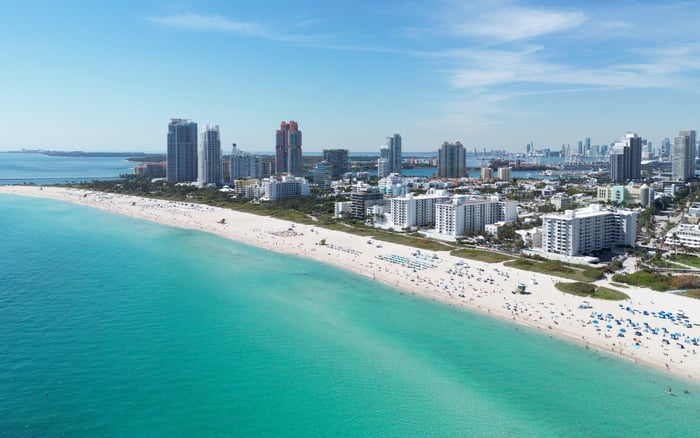
South Beach condo ownership is shaped by more than premium cost. Buyers should examine unit and master policies, flood protection, dollar deductibles, reserves, rental patterns, and potential special assessments before closing.
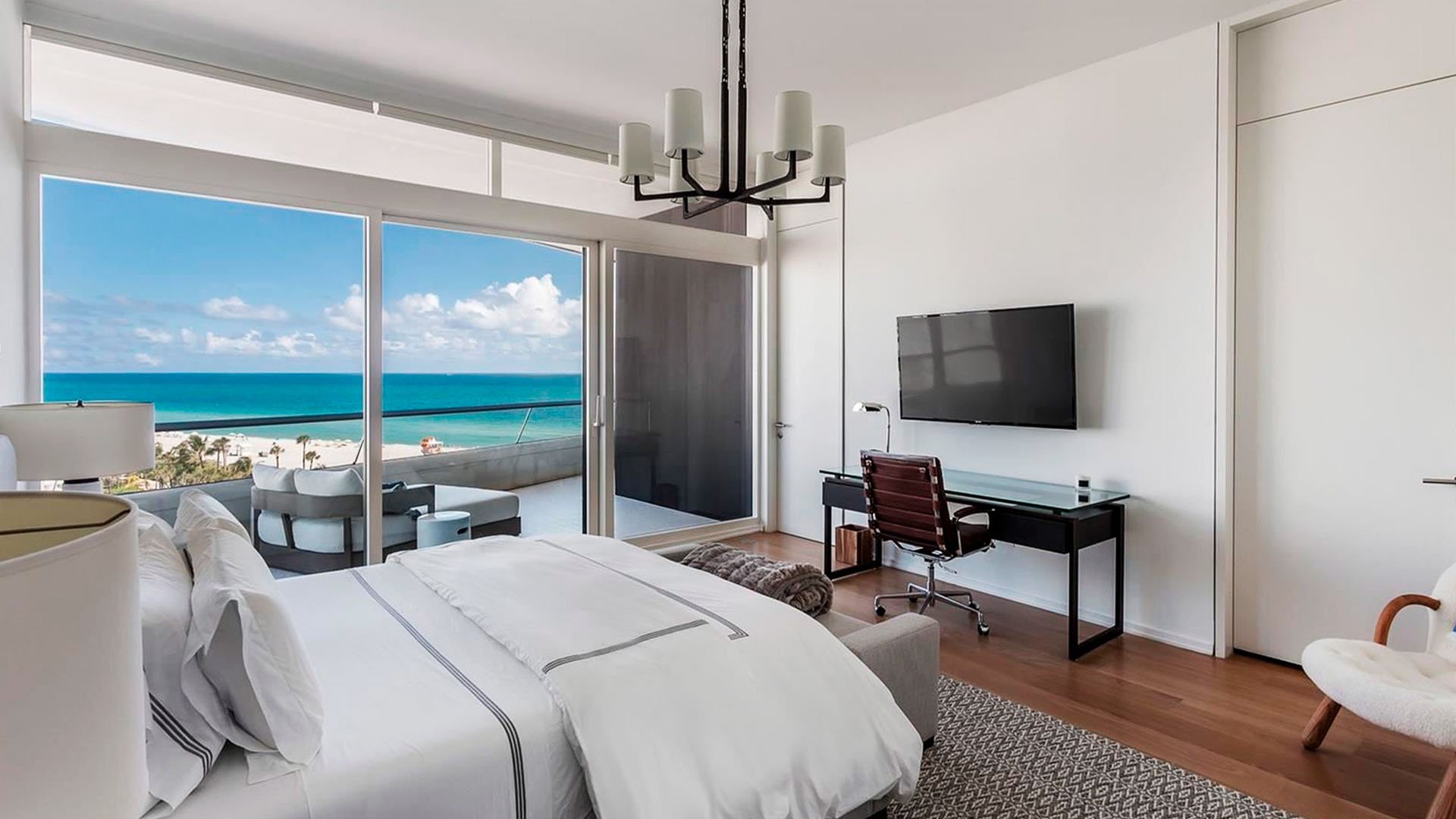
In South Beach, the insurance conversation should begin before a buyer becomes emotionally committed to a residence. The annual premium matters, but it is only one part of the ownership equation. Coverage limits, exclusions, deductibles, flood protection, association reserves, and the building’s rental profile can all shift risk back to the owner.
This applies across Miami Beach, whether the search includes Setai Residences Miami Beach or another coastal condominium. For a luxury purchase, the central question is not simply whether insurance is available, but how much of a serious loss remains uninsured, underinsured, or potentially assessable.
Personal residential wind-only policies are available in eligible coastal areas, including an HO-6 form for condominium owners. Wind-only insurance addresses damage from windstorms and hail, including hurricanes and tropical storms. It does not replace the broader protection ordinarily associated with an HO-6 policy, including coverage for fire, liability, and other non-wind risks.
An owner may therefore need companion coverage from a private insurer. Written confirmation should identify protection for interior improvements, contents, loss assessments, temporary living expenses, and liability. Buyers considering The Ritz-Carlton Residences® South Beach should apply the same discipline they would to any substantial asset: read the declarations and exclusions together rather than treating a binder as proof of complete protection.
For one coastal wind-only HO-6 program, combined Coverage A and Coverage C must be less than $1 million in Miami-Dade and Monroe counties. These limits concern improvements and contents-not the condominium’s market value. A multimillion-dollar residence can therefore remain highly dependent on the association’s master program.
The building carries its own risk profile. Eligible condominium associations can obtain commercial residential wind-only coverage, making the association’s insurance status material to every owner. Request current wind and flood declarations, insured values, deductible percentages, exclusions, reserve balances, and records of prior storm-related assessments.
The distinction is especially important for Oceanfront and Waterfront properties. At Apogee South Beach, as with any condominium under consideration, a buyer should determine which structural components belong to the master policy and which improvements remain the unit owner’s responsibility.
The association’s named-storm deductible may be 3%, 5%, or 10% of the building’s insured value. If a building is insured for $30 million, a 5% deductible creates a $1.5 million first loss before master-policy payments begin. When reserves do not cover that exposure, owners may face a special assessment allocated under the governing documents.
Florida residential hurricane deductibles can include $500, 2%, 5%, and 10% options, subject to statutory conditions and exceptions. Percentages can appear manageable until translated into dollars. A 5% deductible on $500,000 of dwelling coverage is $25,000 that the owner absorbs before covered hurricane-loss payments begin.
The declarations page must state the hurricane deductible in dollars. Use that figure in the acquisition model, then estimate the unit’s potential share of the master-policy deductible. These are separate exposures: the owner can face an HO-6 deductible for unit-level damage and an indirect share of the association’s deductible.
The personal residential hurricane deductible operates on a calendar-year basis, with qualifying hurricane-loss payments during that year credited toward the annual deductible. Buyers should still ask an insurance adviser to explain how the specific policy would respond to multiple events.
Flood and wind are separate perils. Never assume that wind-only or broader HO-6 coverage includes storm surge or other flood damage. A flood-zone designation is therefore no substitute for reviewing actual flood policies, limits, deductibles, exclusions, and the division of coverage between the unit and the building.
The wind insurer may not require separate flood insurance for certain condominium unit-owner policies, but lender or other coverage requirements can still apply. Historical program limits should not be treated as current. Verify present limits and consider whether supplemental private flood coverage is appropriate.
For a Resale at Continuum on South Beach or elsewhere, obtain the building’s flood declarations and a written explanation of unit-level gaps before the inspection period expires.
Rental activity can affect more than atmosphere and governance. Under an applicable commercial wind-only rule, a residential condominium is ineligible for new coverage if at least 50% of its units are rented more than eight times per year for periods shorter than 30 days.
Buyers should verify the building’s permitted use, actual rental mix, and insurance eligibility. Rules can change through legislative or regulatory action, while rates, underwriting provisions, and wind-mitigation tables may also be revised. A quote obtained early in a long escrow or preconstruction period may not remain available on identical terms at closing.
An Investment or second residence deserves a concise downside model. Before closing, ask the broker, insurance adviser, association, and counsel to document:
The unit policy’s wind, non-wind, and flood protection.
Every deductible in both percentage and dollar terms.
The association’s insured values, exclusions, and named-storm deductible.
The unit’s estimated allocation of a major deductible or uninsured loss.
Reserve liquidity and the history of storm-related assessments.
Coverage for improvements, contents, loss assessments, and temporary housing.
Any insurance consequences arising from the building’s rental practices.
The goal is not to eliminate coastal risk. It is to price retained risk alongside taxes, common charges, financing, and planned improvements. That is the difference between a premium quote and a complete ownership analysis.
Does an HO-6 policy insure the condo’s full market value? No. Unit coverage generally concerns specified improvements, contents, and other listed risks, while the master policy remains critical.
Is wind-only coverage the same as full HO-6 coverage? No. Wind-only protection does not include every fire, liability, or non-wind risk.
Does wind insurance cover storm surge? No. Flood and wind are separate perils, so flood protection requires distinct review.
Why convert a percentage deductible into dollars? The dollar figure reveals the owner’s immediate cash exposure before covered payments begin.
Can a condo owner face two storm deductibles? Yes. The owner may have a unit deductible plus an indirect share of the building’s deductible.
Can an association deductible lead to a special assessment? Yes. An unfunded deductible or uninsured loss may be allocated to owners under the governing documents.
Do short-term rental patterns affect wind coverage? They can. A building’s rental frequency and concentration may affect commercial wind-only eligibility.
Does the insurer always require separate flood insurance? Not for every unit-owner policy, although lenders or other requirements may still make it necessary.
Will an early insurance quote remain valid through closing? Not necessarily. Rates, rules, mitigation tables, and underwriting conditions can change.
Which documents should a buyer request first? Start with current wind and flood declarations, insured values, deductibles, exclusions, reserves, and assessment history.
For a discreet conversation and a curated building-by-building shortlist, connect with MILLION.
If branded residences are on your mind — as a home or as an allocation — we would be glad to share what we are seeing, privately.
Begin a quiet conversation