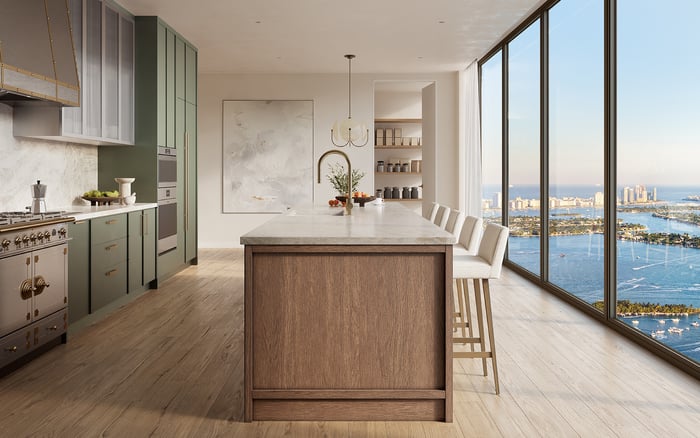
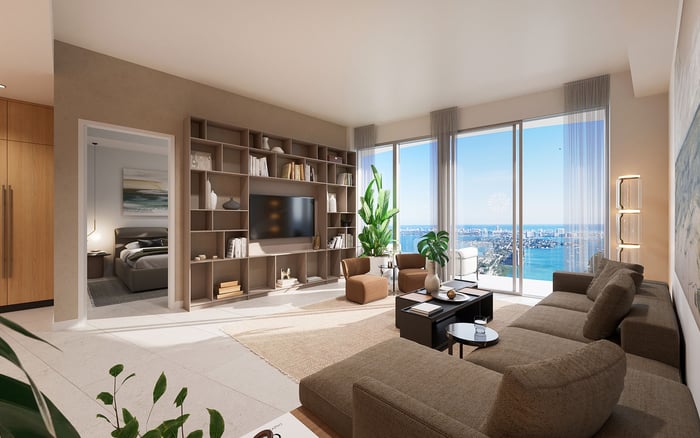
Future resale demand at Casa Bella by B&B Italia Downtown Miami may differ by unit size, bedroom utility, layout efficiency, floor position, terrace usability and view line. Buyers should assess how those attributes affect both personal fit and the depth of a potential resale audience.
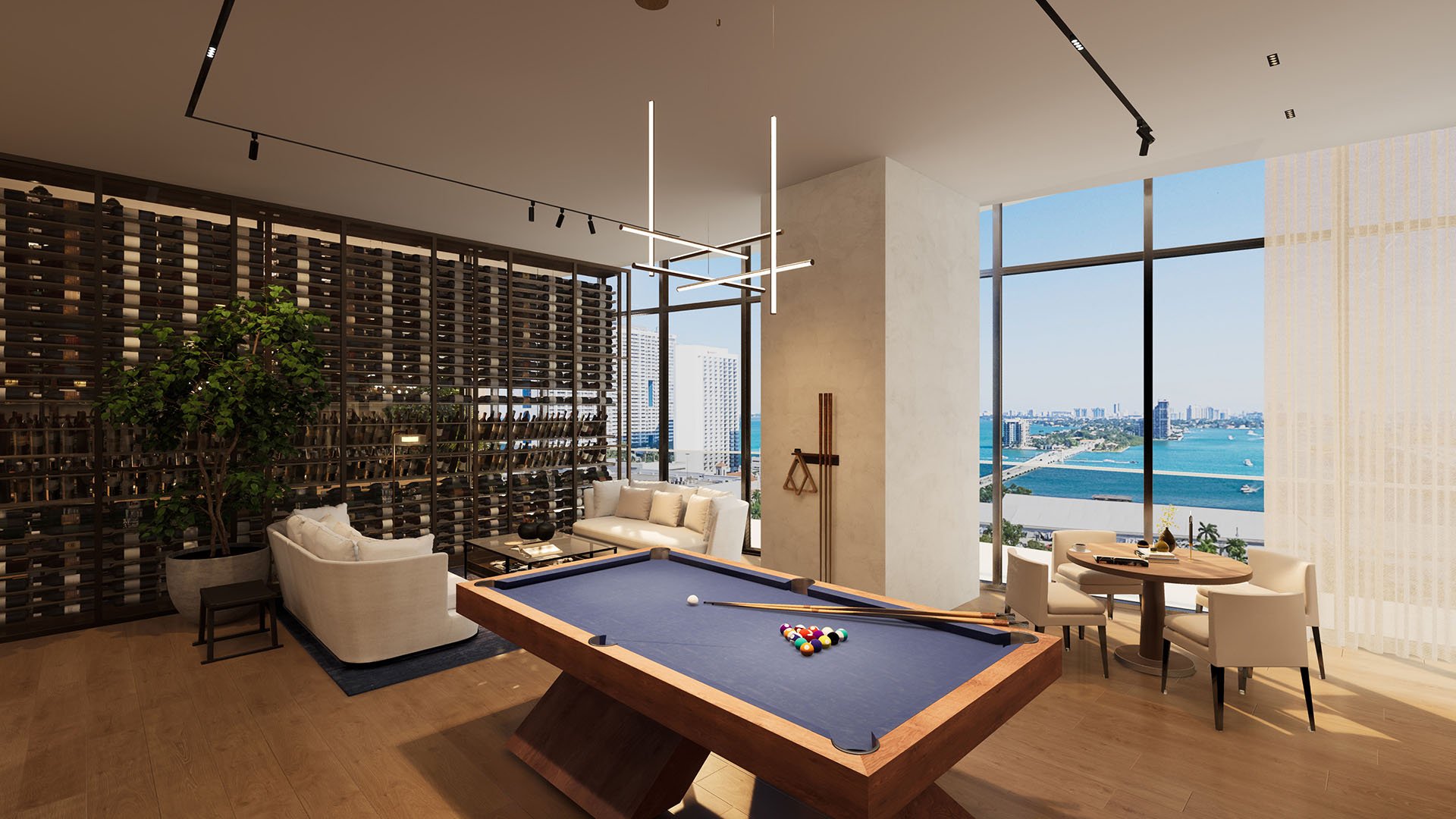
At Casa Bella by B&B Italia Downtown Miami, future buyer-pool depth should be evaluated residence by residence. Unit size influences the likely capital commitment, but bedroom utility, layout efficiency, floor position, outdoor space and view orientation can be equally important.
A recognizable residential concept may attract initial attention, yet resale liquidity ultimately depends on whether a specific home suits enough qualified buyers. The strongest analysis therefore separates the building’s overall appeal from the practical and experiential qualities of an individual residence.
Smaller residences generally present a lower absolute ownership threshold than larger homes within the same building. That can expand the number of buyers able to consider them, particularly when the plan uses space efficiently and supports everyday living without awkward circulation.
Larger residences serve a different audience. Additional area can support privacy, entertaining and longer stays, but it can also narrow the pool of buyers prepared to pay for and maintain that space. Size alone does not create differentiation; the added area must translate into meaningful utility.
For context, buyers may also compare design-led residential options such as Aria Reserve Miami. Comparisons should remain unit-specific because layout, outlook and positioning can vary from one residence to another.
A nominal bedroom count is only a starting point. Buyers should examine room proportions, privacy, storage, access to bathrooms and whether secondary spaces can perform their intended roles comfortably.
A den may broaden utility when it works credibly as an office, media room or occasional guest space. If it compromises circulation or lacks practical separation, however, buyers may not value it like a true additional room.
The same discipline applies to larger plans. More bedrooms can support family use and hosting, but only when the overall layout preserves comfortable common areas and a coherent relationship between private and shared spaces.
Two residences with similar size and bedroom count can appeal to different buyers because of orientation. Water, skyline and urban outlooks each create a distinct experience, while corner positions or multiple exposures may add differentiation.
Floor height should not be treated as a substitute for direct view analysis. Buyers should consider what is visible from primary living areas, bedrooms and terraces, as well as how the outlook contributes to privacy, light and the sense of openness.
Nearby branded residences such as Aston Martin Residences Downtown Miami and Waldorf Astoria Residences Downtown Miami reinforce the importance of evaluating the individual home rather than relying solely on a recognizable building identity.
Terraces can strengthen a residence’s appeal when they extend the living experience and connect naturally with interior rooms. Their usefulness depends on shape, access, privacy and orientation rather than headline area alone.
Interior efficiency deserves similar scrutiny. Buyers should compare usable living space, circulation and furniture placement instead of relying only on total square footage. A more compact but coherent plan may compete effectively with a larger residence that devotes too much area to passages or difficult-to-use zones.
A practical review begins with the likely capital band for the residence, followed by an assessment of who can use the bedroom configuration. The next steps are to examine layout efficiency, terrace function, floor position and the durability of the view experience.
The conclusion should be expressed as a buyer profile rather than a guaranteed resale outcome. A broadly usable residence may attract more potential buyers, while a larger or more specialized home may depend on a smaller audience that values its particular combination of space, privacy and outlook.
Why does unit size influence future buyer-pool depth? Unit size can affect the total capital commitment and the number of buyers able to consider a residence.
Does a smaller residence always have better resale prospects? No. A smaller home may reach more buyers, but layout quality, condition, positioning and view experience still matter.
How should buyers evaluate bedroom count? They should test whether each bedroom has practical proportions, privacy, storage and convenient access to a bathroom.
Can a den improve buyer appeal? Yes, when it offers credible flexibility as an office, media room or occasional guest space without weakening circulation.
Why is layout efficiency important? Efficient layouts convert more of the interior into usable living space and can make a residence feel more functional.
How can view orientation affect demand? Orientation shapes the visual experience, light, privacy and emotional appeal of the home, which can influence buyer preference.
Are higher floors necessarily more liquid? No. Buyers should evaluate the actual sightline, layout and price rather than assuming floor height guarantees stronger demand.
What makes a terrace valuable to future buyers? A terrace is most compelling when its shape, access, privacy and orientation make it a genuine extension of the living area.
Why can larger residences take longer to match with a buyer? Their greater capital requirements and more specialized use cases may limit the number of qualified buyers seeking that exact format.
What is the best way to shortlist comparable options for touring? Start with location fit, delivery status, and daily lifestyle priorities, then compare stacks and elevations to validate views and privacy.
For a tailored shortlist and next-step guidance, connect with MILLION.
If branded residences are on your mind — as a home or as an allocation — we would be glad to share what we are seeing, privately.
Begin a quiet conversation