A practical ownership framework for Sydney sellers purchasing in Palm Beach Gardens, focused on property-manager selection, documented absence care, insurance diligence, storm preparation, and controlled re-entry planning.
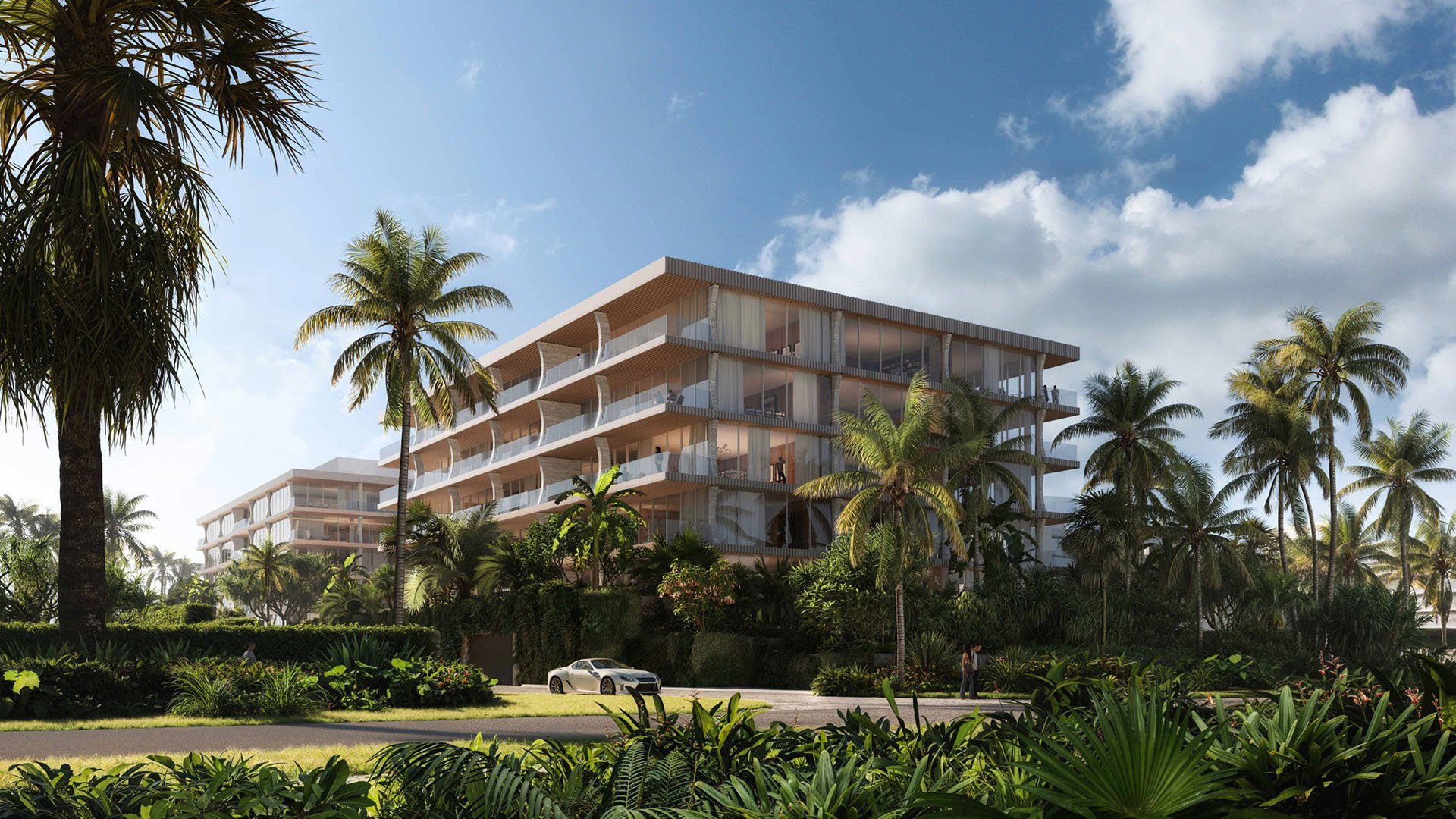
Selling in Sydney and buying in Palm Beach Gardens involves more than choosing a residence. It also requires a workable plan for overseeing the home during long absences. Routine inspections, preventive maintenance, storm preparation, and post-storm assessment should be treated as distinct responsibilities rather than bundled under a vague promise of home watch.
Begin by confirming the property's jurisdiction, association structure, building procedures, and available local support. The answers will shape the manager's operating directory, which may include community contacts, insurers, qualified contractors, building personnel, and emergency resources.
The appropriate structure will vary by property type. A buyer considering The Ritz-Carlton Residences® Palm Beach Gardens alongside a private estate should not assume that staffing, access procedures, or owner obligations will be comparable. Residence staff, an association, an owner's representative, and outside vendors may each oversee a different part of the property.
The best absentee-home plan defines who may act, what they may do, and how every action is documented.
A polished presentation does not establish response capacity. Request a written scope that separates recurring inspections, preventive work, storm preparation, post-storm review, and documentation for an insurance claim. The proposal should identify what the manager performs directly, what is assigned to qualified vendors, and what remains the owner's responsibility.
Ask who conducts each visit and who provides coverage when the primary manager is unavailable. Review how the firm supervises vendors, protects keys and alarm credentials, and stores sensitive owner information. Request sample inspection reports so the reporting standard is clear before the agreement is signed.
For an estate or single-family home, the inspection map may need to address gates, roofs, drainage, landscaping, generators, pools, and detached structures when those features are present. For a condominium, the plan should distinguish the interior residence from common elements and building-managed systems.
The agreement should state the inspection schedule, escalation thresholds, spending authority, and approval process. It should also define the evidence delivered after a visit, such as dated photographs, written observations, invoices, and confirmation of completed work. Because the owner may be communicating from Sydney, both a primary decision-maker and a backup contact should be identified.
Capacity is particularly important when many properties need attention at the same time. Ask how the manager prioritizes work, handles competing requests, and communicates delays. A credible provider should explain limitations rather than guarantee access or response times that depend on conditions outside its control.
The first documented inspection should create a baseline for the home's condition. Record finishes, equipment, shutoff locations, service information, insurance documents, warranties, access procedures, and emergency contacts. This record gives the owner and manager a common reference point for later reports.
Routine absence care should distinguish visual observation from technical service. A manager may look for visible water intrusion, unusual indoor conditions, power interruption, pest activity, drainage concerns, or signs of equipment failure. Work outside the manager's competence should be assigned to an appropriately qualified specialist. The contract should explain when a specialist is contacted and whether advance owner approval is required.
Insurance diligence should be specific to the selected home. The buyer should confirm available coverage, exclusions, deductibles, lender requirements, and documentation expectations with qualified insurance professionals. The manager's role is to maintain agreed records and report observable conditions, not to interpret coverage or promise that a loss will be paid.
These questions also help when comparing nearby residences such as Palm Beach Residences and Alba West Palm Beach. Building staffing can reduce some day-to-day tasks, but the buyer should still establish which duties remain with the owner.
Flood diligence should occur before closing and should focus on the individual parcel or residence. Confirm the property's current flood information, the insurance terms available for it, and any requirements connected with financing or the community. Do not rely on assumptions based only on proximity to the water or on another property's insurance arrangement.
Ask the seller for available property records and review relevant documents with qualified local professionals. If the buyer is considering physical alterations intended to reduce water exposure, the team should first determine whether design review, association approval, or government permits are needed.
The ownership file should keep the applicable policy documents, insurer contact details, property records, photographs, and an inventory of important systems and finishes. Copies should remain accessible to the owner and the authorized representative even when the residence itself cannot be entered.
A storm plan should identify who monitors conditions, who activates preparation, what may be secured, and how completion is reported. Tasks should be tailored to the property rather than copied from a generic checklist. The plan should also clarify which actions depend on building rules, vendor availability, safe working conditions, or official instructions.
Pre-storm documentation can provide a useful comparison point for a later assessment. The manager should follow the agreed reporting method and avoid undertaking technical work beyond the approved scope. If preparation requires a specialist, the owner should know in advance who may be engaged and within what spending limit.
Post-storm entry must be treated separately from preparation. Access may depend on official restrictions, road conditions, building controls, or other safety considerations. A private manager should not promise immediate entry. Instead, the agreement should require prompt communication about what is known, what remains inaccessible, and what action can safely be taken.
Written authority should identify the local representative, the permitted actions, the spending limit, and the documents the representative may receive or sign. It should also name an alternate in case the primary representative is unavailable. Any access credentials or supporting documents should be checked against the requirements that apply at the time they are needed.
Once access is lawful and safe, the representative can follow a staged assessment. The sequence should begin with personal safety, proceed to exterior observations from an appropriate position, and then address utilities and visible interior conditions when entry is permitted. Technical concerns should be escalated to qualified specialists rather than diagnosed by an unqualified manager.
Reports should distinguish confirmed observations from assumptions. Photographs, written notes, vendor findings, and repair authorizations should be stored in the ownership file. This disciplined record is more useful than a dramatic promise to be first through the door.
Management planning can sharpen property selection. When comparing Palm Beach Gardens with other Palm Beach County options, consider building staffing, association procedures, insurance obligations, vendor access, and the responsibilities that remain with the owner. Apply the same review to Forté on Flagler West Palm Beach or any residence expected to remain vacant for extended periods.
Before closing, consolidate the manager's scope, authorization documents, contact tree, property baseline, insurance file, and storm protocol. The resulting brief should be concise enough to use during an urgent situation and detailed enough for the owner to audit from Sydney.
For discreet guidance on selecting a South Florida residence and preparing an ownership brief, connect with MILLION.
If branded residences are on your mind — as a home or as an allocation — we would be glad to share what we are seeing, privately.
Begin a quiet conversationIt should define the inspection schedule, service scope, spending authority, escalation process, documentation standards, access controls, and backup coverage.
No. Access can depend on official restrictions, road conditions, building controls, and safety considerations outside the manager's control.
Jurisdiction can affect the relevant procedures, contacts, permits, and property-specific support available to the owner.
Routine care covers recurring inspections and maintenance oversight, while storm preparation follows a separate property-specific protocol with defined activation steps.
It should document the home's condition, finishes, equipment, shutoff locations, warranties, insurance files, access procedures, and emergency contacts.
The owner should identify who performs visits, who provides backup coverage, and how the firm handles competing requests or unavailable vendors.
The buyer should review property-specific flood information, insurance terms, financing requirements, and available records with qualified local professionals.
A qualified specialist should be engaged when an issue falls outside the manager's competence or the agreed service scope.
It should state the representative's permitted actions, spending limit, document authority, and designated alternate.
It should separate confirmed observations from assumptions and include photographs, written notes, vendor findings, and authorized next steps where available.