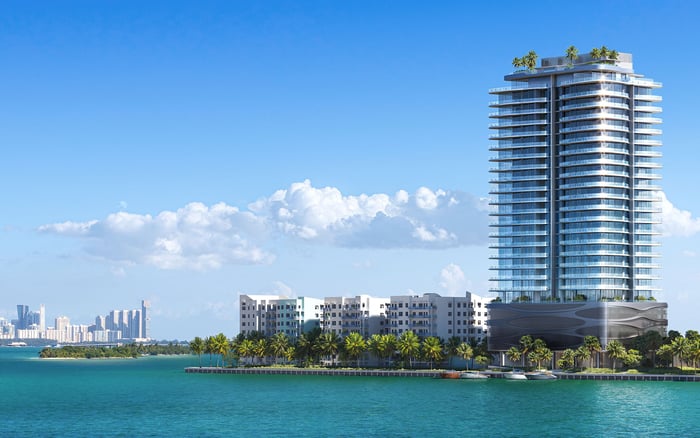
A carefully sequenced Brussels-to-Miami move can protect the property sale, preserve school continuity, and accommodate the variable delivery timetable of a new North Bay Village residence.
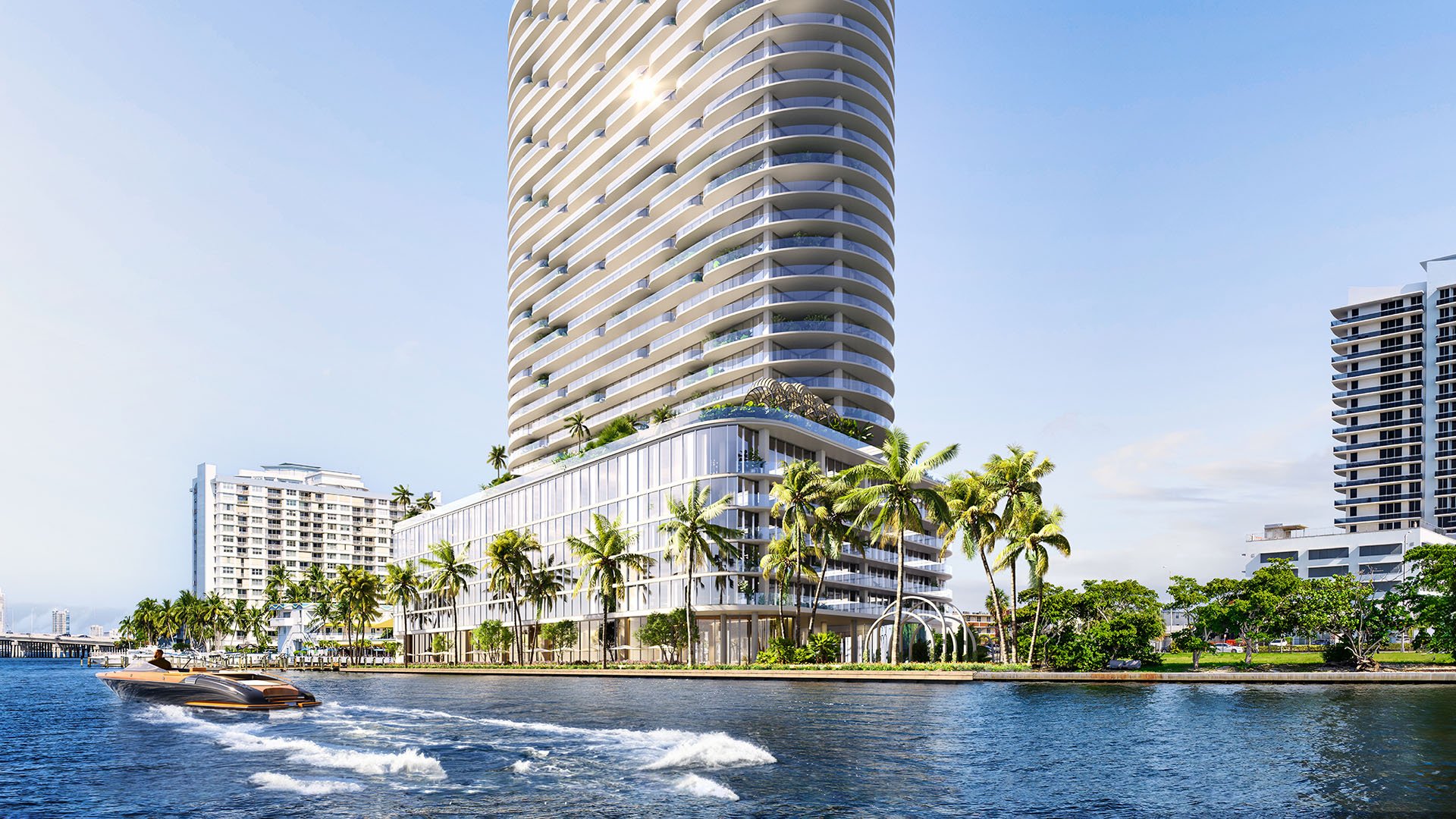
Moving from Brussels to a new residence in North Bay Village involves several timelines that may not align: the European sale, the South Florida construction schedule, and the academic year. Rather than forcing them toward one completion date, create a sequence in which each milestone can shift without destabilizing the others.
For a family buying at Continuum Club & Residences North Bay Village, the purchase agreement and verified construction updates should guide planning. A projected delivery period can establish a broad horizon, but it should not be treated as a guaranteed handover date.
The most resilient relocation plan separates the Brussels sale from the Miami handover.
The practical objective is to preserve optionality: sell in Brussels on terms appropriate to that transaction, establish a flexible Miami base, and move into the purchased residence only after closing, inspection, completion work, furnishing, and permission to occupy are confirmed.
Pre-construction ownership requires flexibility, especially when a family is coordinating an international relocation. A projected delivery period is useful for broad planning, but it should not determine the precise date of a transatlantic shipment, school withdrawal, or lease termination.
The purchase agreement carries more weight than a promotional timeline. A Florida real-estate attorney should review the outside completion date, deposit schedule, delay remedies, force-majeure provisions, closing conditions, and the point at which occupancy is legally permitted.
The same discipline applies when comparing local opportunities such as Shoma Bay North Bay Village and Tula Residences North Bay Village. The goal is not to assume identical schedules, but to understand how each contract, delivery framework, and residence aligns with the family’s tolerance for timing risk.
Construction conditions within and around North Bay Village may also change between early visits and final delivery. Buyers should evaluate current access, neighborhood activity, and building-specific procedures during each planning stage rather than relying on an earlier visit.
The interim residence should be selected for flexibility, not merely proximity. A furnished long-term rental with extension options can protect against a delayed closing while reducing the burden of furnishing twice. Buyers should review notice periods, renewal mechanics, deposits, parking, pet terms, and any option to extend the lease.
Do not schedule the temporary lease to end on the projected completion date. Keep sufficient overlap for closing, inspection, punch-list work, furnishing, and confirmed occupancy. Even when a residence appears substantially complete, administrative or physical steps may remain before the family can settle in comfortably.
Location should reflect daily life during the bridge period. Some families may prefer to remain close to North Bay Village, while others may consider nearby parts of Miami-Dade County. Reviewing The Well Bay Harbor Islands can help frame the surrounding residential landscape, but temporary-housing decisions should begin with verified school assignment, commuting patterns, and lease flexibility.
The bridge home is a risk-management asset. It prevents a changing construction schedule from dictating the Brussels sale or forcing an unsuitable move at short notice.
Families should review the applicable Miami-Dade school calendar when planning the transition. A summer move may reduce disruption by placing the change between academic years, but the preferred window should reflect the children’s specific school, enrollment requirements, and family circumstances.
If the residence is not ready during the preferred interval, an extendable lease can preserve continuity until closing and occupancy are confirmed. A midyear move may still be manageable when coordinated with the school, but it should not be scheduled around an unverified construction estimate.
School assignment must be confirmed directly before signing for temporary or permanent housing. A North Bay Village address alone should not be treated as proof of attendance eligibility, and families considering private education should verify admissions and timing with the relevant school.
The Brussels sale should follow its own preparation, marketing, contract, and closing logic. Tying it to a single estimated Miami delivery date can create unnecessary urgency or a housing gap. A more controlled approach is to complete the European transaction on suitable terms, then use temporary housing and storage to absorb the interval.
Divide possessions into three groups: items needed immediately in Miami, items destined for the completed residence, and pieces that should remain in storage until dimensions and installation dates are confirmed. This reduces the risk of valuable furnishings arriving before the building can accept deliveries or the residence is ready for installation.
Currency planning, tax questions, immigration matters, insurance, and the movement of sale proceeds require advice from qualified professionals in the relevant jurisdictions. These considerations should be coordinated early without allowing unsupported assumptions to dictate the property timetable.
A disciplined plan can be organized around five decision gates:
Waterfront ownership is both a lifestyle decision and an investment in long-term daily experience. The strongest plan protects that experience from avoidable timing pressure and allows the family to evaluate North Bay Village as conditions evolve.
The central principle is simple: treat delivery timing as a working horizon, not a promise. Maintain a flexible rental, monitor the applicable school calendar, verify attendance eligibility, and keep the Brussels transaction independent of construction. That structure gives the family room to respond calmly if the handover arrives earlier, later, or outside the preferred moving window.
For discreet guidance on aligning a South Florida purchase with an international move, connect with MILLION.
If branded residences are on your mind — as a home or as an allocation — we would be glad to share what we are seeing, privately.
Begin a quiet conversationNo. Use it as a planning range and make final arrangements only after closing and occupancy timing are sufficiently certain.
No. The sale should follow its own timetable, with temporary Miami housing available to absorb any gap.
Keep sufficient overlap for closing, inspection, completion work, furnishing, and confirmed occupancy.
A summer move may reduce disruption by placing the transition between academic years. Families should verify the applicable school calendar before making plans.
No. Use the adopted calendar for the relevant academic year once it is available.
No. School assignment and attendance eligibility should be verified directly before signing for housing.
A qualified attorney should review completion provisions, delay remedies, deposits, closing conditions, and occupancy requirements.
It can accommodate changes in closing or occupancy without forcing another rushed move.
Finalize shipping only when the residence’s closing, delivery access, and occupancy timing are sufficiently certain.
Separate immediate-use items from pieces intended for the completed residence, and store items until dimensions and installation timing are confirmed.