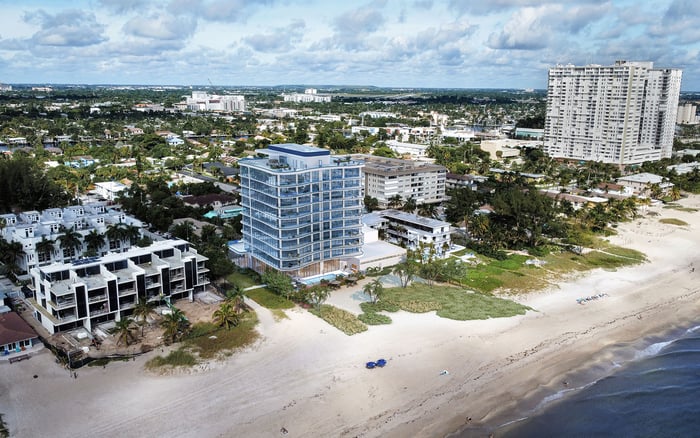
A Sydney sale and a Hillsboro Beach purchase sit in different property-tax systems. The decisive Florida dates are January 1 for ownership and permanent occupancy, then March 1 for timely homestead and, when applicable, portability filings.
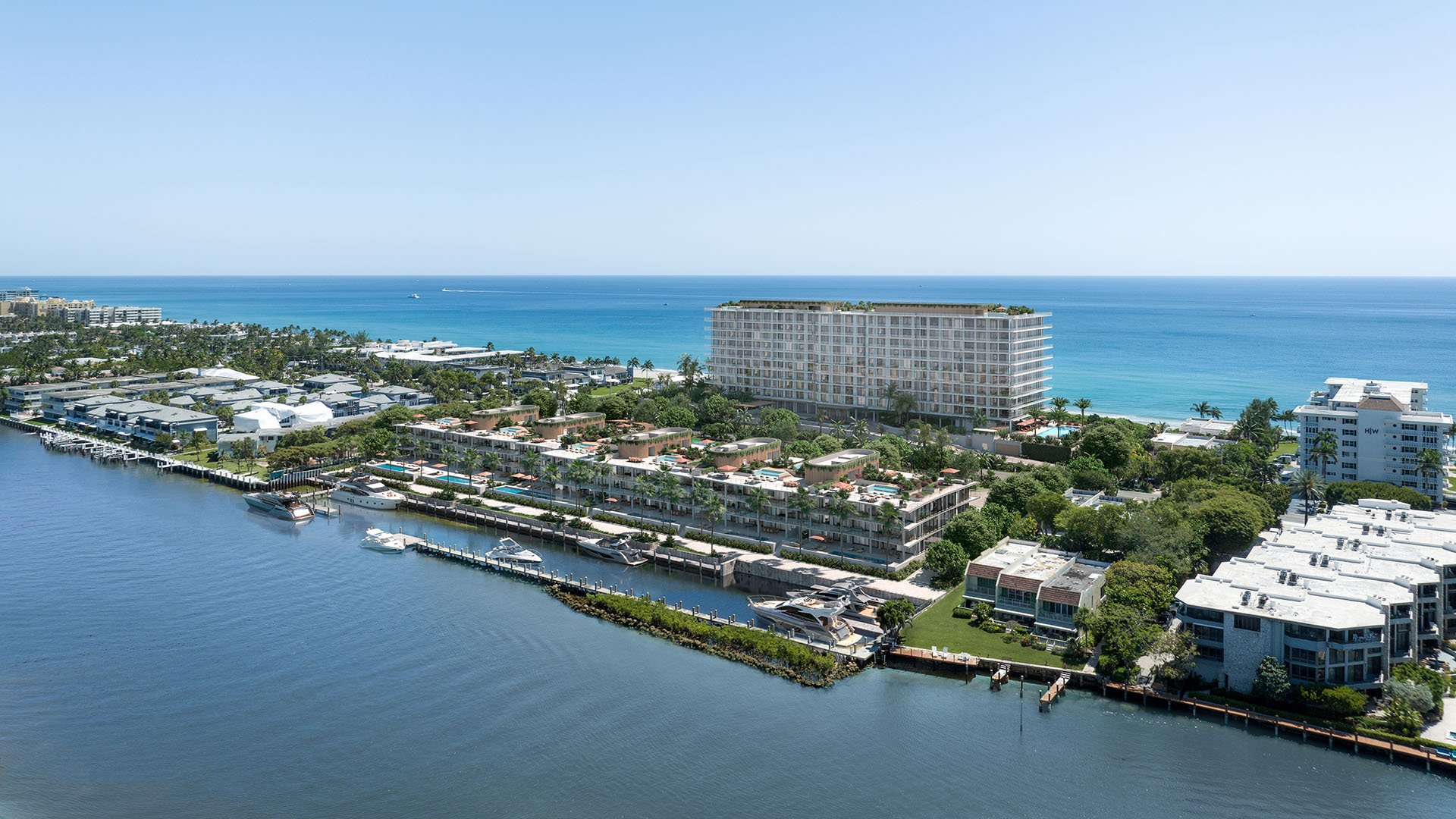
For a buyer exchanging Sydney for Hillsboro Beach, the property-tax plan turns on a deceptively simple sequence. To claim Florida homestead benefits for a given tax year, the buyer must own and occupy the new residence as a permanent home on January 1. The standard timely filing deadline is then March 1 of the year for which the exemption is requested.
That makes the period before year-end particularly consequential. A December 30 closing may preserve eligibility for the following January 1, provided permanent occupancy is also established. Closing after January 1 generally means waiting until the next tax year to satisfy the date-based test. A contract date, deposit, or intention to relocate cannot substitute for actual ownership and occupancy.
For Hillsboro Beach buyers, January 1 is the pivotal property-tax date.
This Hillsboro Beach planning question should therefore be resolved before travel, furnishing, closing, and possession schedules are finalized. It belongs beside the purchase agreement, not at the end of the moving checklist.
A Sydney residence cannot generate a portable Save Our Homes benefit. Portability is available only from a former qualifying Florida homestead. A buyer arriving directly from Australia with no prior Florida homestead history begins without a portability transfer, regardless of the Sydney property’s value, ownership period, or appreciation.
Without portability, the newly acquired Hillsboro Beach property generally begins at its reassessed just value. Approved homestead exemptions can then reduce taxable value, while Save Our Homes limits future annual increases in assessed value to the lesser of 3 percent or the applicable change in CPI.
The distinction matters. Homestead exemption provides a current exemption, while Save Our Homes governs assessed-value growth after qualification. The accumulated SOH assessment difference is the gap between a homestead’s just market value and its capped assessed value. A direct international arrival does not bring that difference into Florida, but the new home can begin building SOH protection for later years.
For an oceanfront purchase such as Rosewood Residences Hillsboro Beach, a prudent budget should therefore begin with reassessment rather than the seller’s existing tax profile. The prior owner’s history is not a reliable proxy for the buyer’s post-purchase position.
Homestead exemption and portability are distinct benefits. An owner who qualifies for both must apply for each; portability does not move automatically with a change of address. It transfers an eligible prior SOH assessment difference, not the old property’s homestead exemption itself.
This matters for Sydney sellers who also previously maintained a Florida homestead. If that property carried an accumulated assessment difference, as much as $500,000 may be transferable to a new qualifying Florida homestead. Every recipient of the former homestead benefit must first relinquish that homestead before its assessment difference can be transferred.
The new Florida homestead generally must be established within three tax years after the former Florida homestead is abandoned. That window is measured by tax years and January 1 qualification dates, not simply by counting three years from a sale closing. The standard timely portability application deadline is March 1 of the tax year for which the transferred benefit is requested.
If the new home’s just value equals or exceeds that of the former Florida home, the full SOH difference can generally transfer, subject to the $500,000 cap. If the new home has a lower just value, the portable benefit is reduced proportionally. Once approved, portability reduces the assessed value assigned to the new homestead and may lower taxable value compared with a complete market-value reset.
A disciplined acquisition model should present at least two property-tax scenarios. The first assumes no portability-the relevant baseline for most direct Sydney arrivals. The second applies only when the buyer can document an eligible former Florida homestead and complete the separate portability process.
A new-homebuyer tax estimator can help frame the likely bill, but the output remains an estimate. Buyers should not use the seller’s current property-tax amount as their forecast. The seller may benefit from years of capped assessment growth, exemptions, or a personal history that does not survive the transfer.
This analysis is especially useful when comparing Hillsboro Beach with nearby coastal options. A buyer might weigh Armani Casa Residences Pompano Beach, Ocean 580 Pompano Beach, or The Ritz-Carlton Residences® Pompano Beach while refining location and ownership timing. The same core Florida concepts apply, but each proposed purchase should be modeled using its expected reassessed value and the buyer’s actual exemption eligibility.
For an investment analysis, this distinction is equally critical: homestead treatment depends on permanent-residence qualification, not simply ownership of premium Florida real estate. A residence acquired for another purpose should not be modeled as though homestead benefits are assured.
The first profile is the direct Sydney-to-Hillsboro Beach buyer with no former Florida homestead. The priority is to close and take permanent occupancy by January 1, then submit the new homestead application by March 1. Portability should not appear as a projected benefit. The tax model should begin with reassessed just value and reflect only benefits for which the owner qualifies.
The second profile is a buyer returning to Florida after holding an earlier Florida homestead. That file requires a chronology of abandonment, the relevant January 1 dates, the three-tax-year window, the prior assessment difference, and all former benefit recipients. Homestead and portability applications should be tracked separately, even when submitted during the same filing season.
Portability approval does not produce property-tax refunds for earlier years in which the transferred benefit was not applied. Delay can therefore have lasting consequences. Confirming the ownership structure and participation of all relevant former owners before closing can prevent a sophisticated acquisition from being undermined by incomplete relinquishment.
Before signing, determine whether any prior Florida homestead exists and whether it falls within the portability window. Model the new property at reassessed just value, adding a separate portability scenario only when supported. Align closing and permanent occupancy with the January 1 test, then calendar March 1 for the timely homestead filing and, when relevant, the separate portability application.
Retain documents supporting ownership, occupancy, abandonment of any former Florida homestead, and the identities of all benefit recipients. Hillsboro Beach residents can also seek onsite assistance from the mobile property-appraiser team with homestead, portability, exemption, and assessment questions. Individual ownership arrangements and late-filing circumstances can affect the outcome, so current eligibility and deadlines should be confirmed directly.
In practical buyer’s-guide terms, the elegant outcome is not merely a successful closing. It is a closing synchronized with the tax calendar, supported by a realistic reassessment model, and followed by complete filings. That discipline protects liquidity and provides a clearer view of the home’s continuing cost.
For discreet guidance on your South Florida purchase, connect with MILLION.
If branded residences are on your mind — as a home or as an allocation — we would be glad to share what we are seeing, privately.
Begin a quiet conversationNo. Portability must come from a former qualifying Florida homestead, not an Australian residence.
The buyer must own and occupy the property as a permanent residence on January 1 of that tax year.
The standard timely deadline is March 1 of the year for which the homestead exemption is requested.
No. They are separate benefits, and an eligible owner must apply for each rather than assume portability is automatic.
For a homesteaded property, annual assessed-value increases are limited to the lesser of 3 percent or the applicable CPI change.
Up to $500,000 of an eligible accumulated SOH assessment difference may transfer to another qualifying Florida homestead.
The property generally begins from reassessed just value, after which approved exemptions can reduce taxable value and SOH can limit later assessment growth.
A new Florida homestead generally must be established within three tax years after the prior Florida homestead is abandoned.
Yes. When the new home’s just value is lower than the former home’s just value, the transferable SOH benefit is reduced proportionally.
No. Approval does not generate property-tax refunds for earlier years in which the transferred benefit was not applied.