A discreet framework for family-office buyers at Ocean 580, separating investment approvals, funding documentation and proposed wire controls from project requirements and the changing federal reporting landscape.
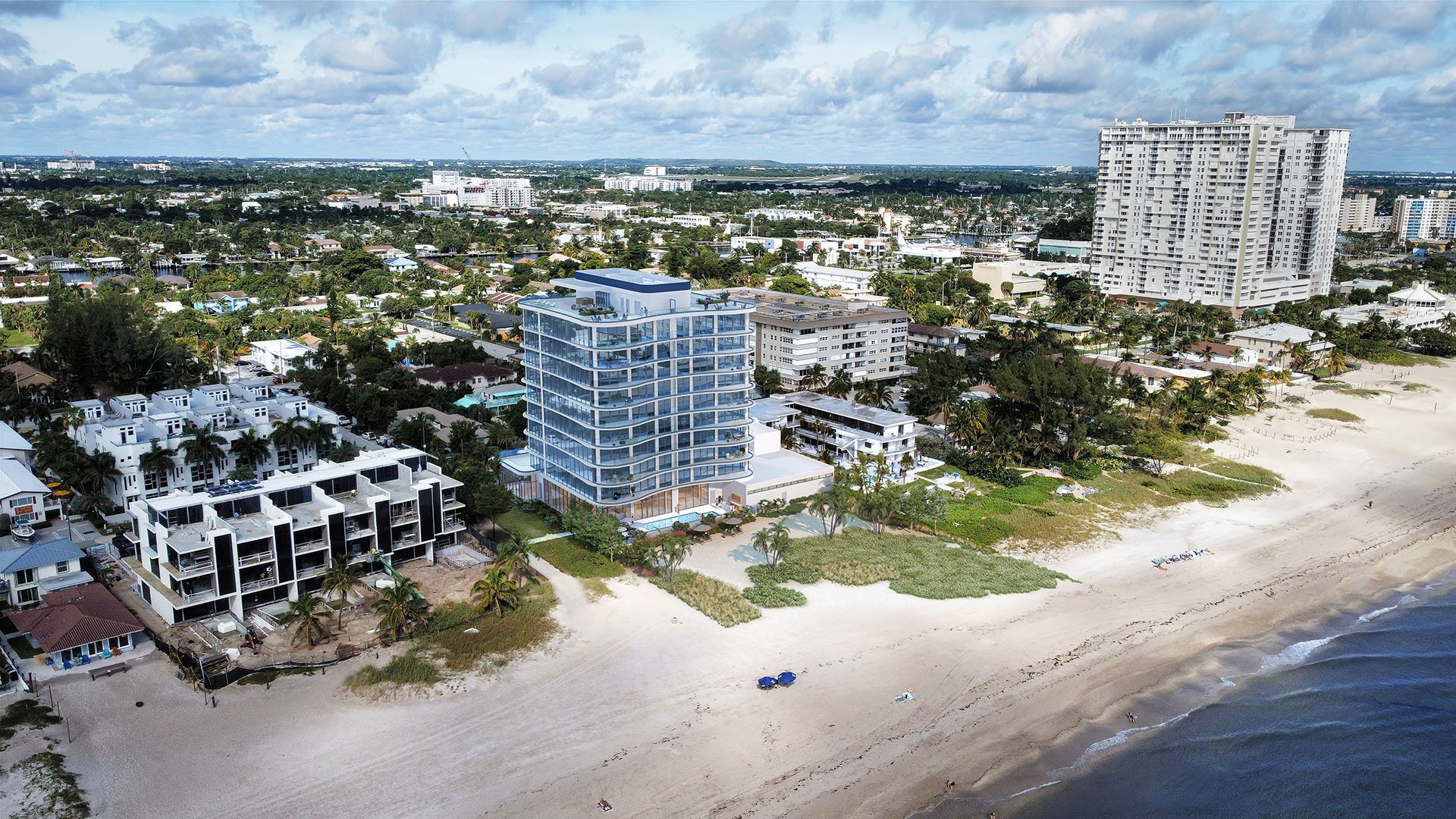
At Ocean 580 Pompano Beach, the residential proposition is intimate: a boutique luxury beachfront building marketed with 17 residences at 580 Briny Avenue, Pompano Beach, Florida 33062. Four- or five-bedroom residences plus a den, private elevator-entry foyers and wraparound corner terraces place space and privacy at the center of the offering. The terraces offer sunrise and sunset views.
For a family-office buyer, selecting the residence and authorizing its acquisition are separate decisions. The objective is not merely a signed agreement, but a clear connection between the family's goals, the purchasing structure and the capital released at closing.
The framework below outlines proposed practices to discuss with legal advisers, the family office and the closing team. These are not established Ocean 580 requirements, representations about its contracts or verified procedures of its closing agent.
An internal acquisition memorandum can distinguish the reasons for buying from the authority to proceed. Consider documenting intended use, the proposed ownership vehicle, the funding plan and the individuals empowered to approve commitments. A family residence and an investment allocation may require different internal decision criteria, even when the same principals provide the capital.
Keep purchase approval distinct from approval of the agreement and authority to sign it. Endorsing the residence should not be treated as permission to accept every contractual obligation. Ask counsel to identify which commitments become binding at each stage and which changes would warrant renewed internal approval.
A proposed approval record would identify the residence, the purchasing party, approved financial limits and any conditions imposed by the decision-makers. Do not build assumed deposit schedules, cancellation rights or completion dates into that record; those details belong to the actual agreement.
If the shortlist includes Casamar, keep property selection separate from transaction authorization. A preference among residences should not obscure who may bind the buyer or release funds.
Before an offer becomes a commitment, ask counsel to reconcile three identities: the party acquiring the residence, the person authorized to sign and the party supplying the money. They need not be identical, but any difference requires an explanation acceptable to the professionals handling the transaction.
For a proposed entity or trust purchase, discuss which organizational documents and authorizations the closing team needs. Corporations, LLCs, partnerships and trusts are relevant ownership structures within the federal residential real-estate reporting framework described below. That does not make every purchase through one of these structures reportable.
A proposed responsibility sheet can distinguish purchase approval, document execution and payment release. Ask who can substitute for an unavailable principal and what evidence of that authority is required. Resolve those questions early rather than improvising when a signature or payment is due.
Treat the funding file as an organized explanation of the proposed payment path, not an indiscriminate collection of financial records. As a discussion framework, it could identify the purchasing vehicle, the intended remitting account and any planned movement of funds before closing. Ask the closing team to specify the supporting documents it requires and the purpose of each request.
The federal Residential Real Estate Reporting Rule was designed to cover certain non-financed residential-property transfers to legal entities or trusts, subject to exemptions. Condominiums fall within its described property scope. The associated framework contemplated collecting seller, buyer and source-of-funds information before closing for covered transactions.
The rule's legal status matters. The U.S. District Court for the Eastern District of Texas vacated it on March 19, 2026. While that order remains in force, reporting persons are not required to submit the related Real Estate Reports and are not subject to liability for failing to submit them. The decision has been appealed.
Do not equate an older implementation checklist with a current filing obligation. Have counsel confirm the rule's status when evaluating the transaction and again before closing. Separately, ask the bank and closing team to explain any documentation they request; the court order should not be interpreted as resolving every transaction-specific information requirement.
A Broward search that also considers The Ritz-Carlton Residences® Pompano Beach should maintain a consistent internal approval framework without assuming identical contracts or closing procedures. The same distinction applies if Rosewood Residences Hillsboro Beach enters the family's consideration: evaluate the residence on its merits, then confirm the transaction mechanics independently.
For Ocean 580, the payment-control conversation should begin before instructions arrive. The following are proposed internal safeguards to discuss with the bank and closing agent, not a verified Ocean 580 protocol or a guarantee against fraud.
Consider agreeing on an independently established contact channel to confirm payment instructions. Discuss a callback to a previously verified contact rather than relying on contact details supplied in a new payment message. Ask whether one authorized person can prepare the payment while another independently checks and approves it.
Also consider an internal pause whenever recipient details change. Before releasing funds, designated reviewers could reconcile the beneficiary, account information and payment amount against independently confirmed instructions. A familiar-looking email alone should not meet the family's proposed approval standard.
A proposed funds-flow schedule can distinguish the amount authorized internally from the amount ultimately requested for closing. Rather than assuming figures or deadlines, populate it from the transaction documents and instructions confirmed by the appropriate professionals. Identify who prepares, checks and authorizes each payment.
Before release, ask the team to reconcile the purchaser's name, signing authority, final documents and payment instructions. Any unresolved discrepancy should return to the responsible adviser, not be explained away by urgency.
After completion, consider keeping executed documents, internal approvals, payment confirmations and ownership records in a controlled archive. Counsel should advise on retention and access. Sensitive financial information warrants a deliberate handling plan, not broad circulation among everyone involved in selecting the home.
Ocean 580's private entries and generous layouts make the residential experience tangible. The acquisition process deserves comparable precision: clear authority, an intelligible funding path and an agreed method for authorizing payments. None should be confused with a project-imposed requirement unless confirmed in the applicable documents.
The objective is not administrative volume. It is a purchase in which the family, its advisers and the closing team understand the decisions entrusted to them, with current legal status checked before ownership changes hands.
Explore South Florida residences and refine your next acquisition with MILLION.
If branded residences are on your mind — as a home or as an allocation — we would be glad to share what we are seeing, privately.
Begin a quiet conversationOcean 580's residential address is 580 Briny Avenue, Pompano Beach, Florida 33062.
The development is marketed as a 17-residence boutique luxury beachfront building.
Residences are described as having four or five bedrooms plus a den, private elevator-entry foyers and wraparound corner terraces. The terrace offering highlights sunrise and sunset views.
No; they are proposed internal practices for discussion with advisers, not established project requirements or verified closing-agent procedures.
It could identify the residence, purchasing party, authorized decision-makers, approved financial limits and internal conditions. Contractual obligations must be evaluated separately.
The purchasing party, signatory and funding party may differ. Counsel and the closing team should clarify those relationships and the documentation needed for the transaction.
Condominiums fall within the rule's described property scope. The framework was designed for certain non-financed transfers to entities or trusts, subject to exemptions.
The rule was vacated on March 19, 2026, and the decision has been appealed. While the order remains in force, reporting persons need not submit the related filings and face no liability for failing to submit them.
Yes, ask the bank and closing team what documentation they require and why. Do not treat a documentation request as proof of a current federal filing obligation.
Consider independent confirmation through an established contact channel, separate payment preparation and approval, and a pause when recipient details change. These are proposed safeguards, not a verified Ocean 580 protocol or a guarantee against fraud.