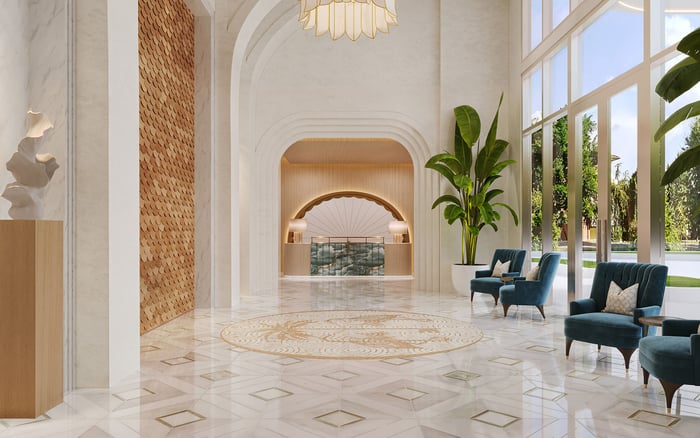
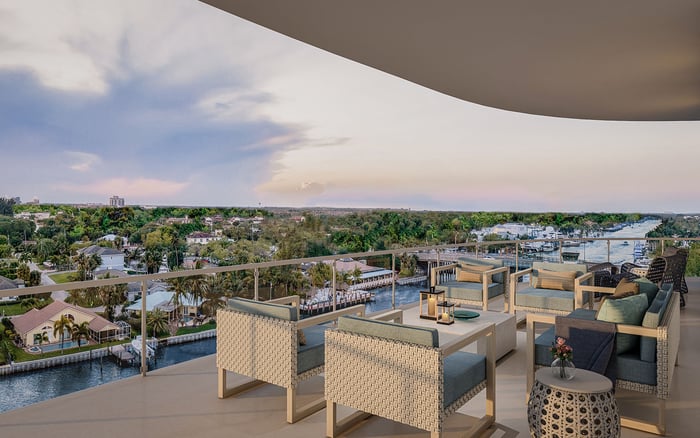
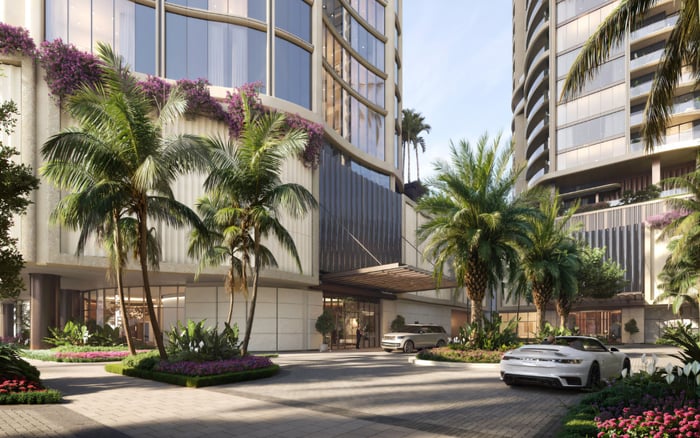
A seller’s renovation can make a Bristol residence compelling, but its value deserves a separate examination. Here is how to weigh design, comparable sales, construction records and the practical appeal of avoiding a project.
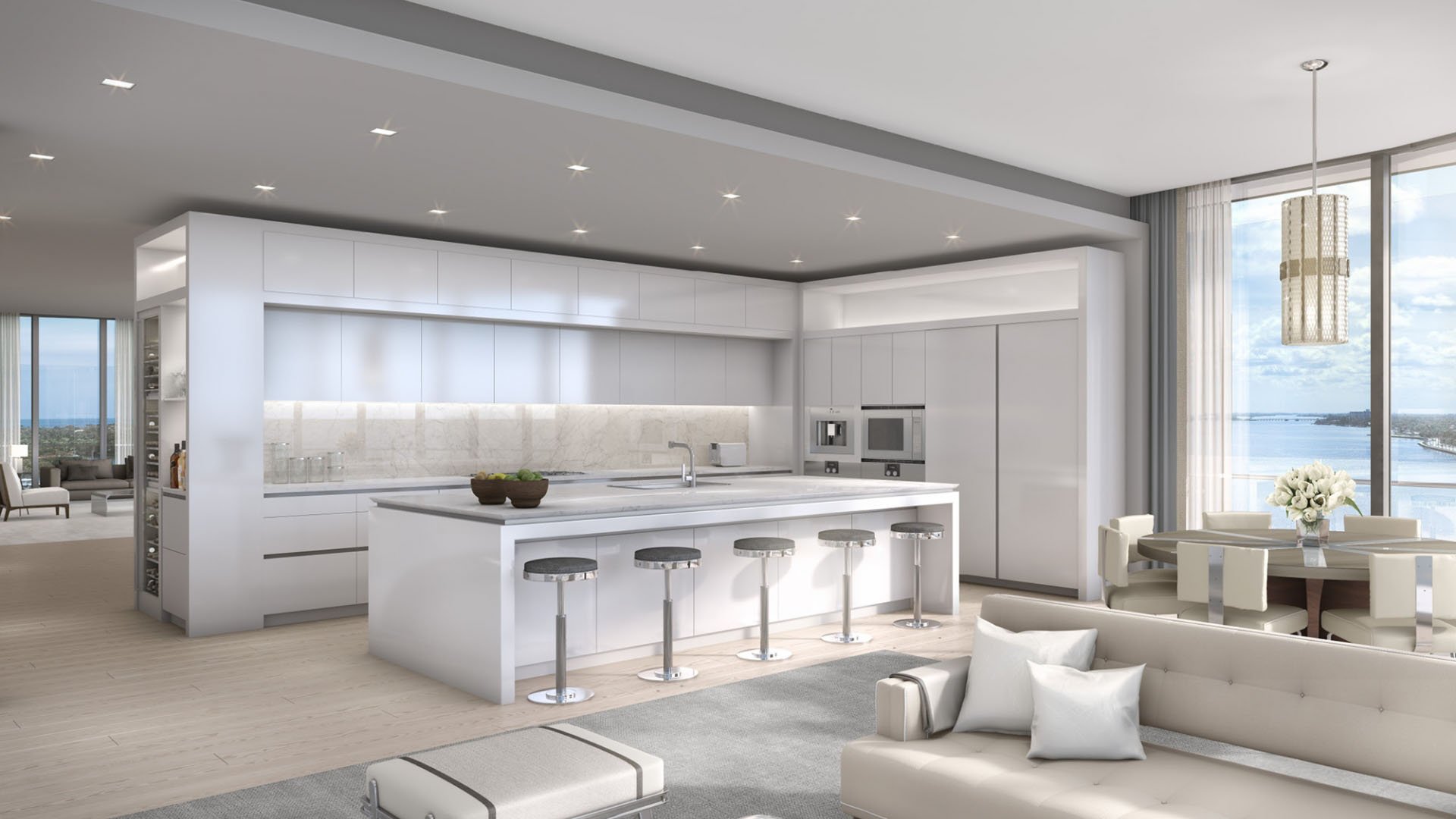
A beautifully renovated residence can make a buying decision feel unusually simple. The rooms feel resolved, the materials coherent, and the prospect of managing construction recedes. At The Bristol Palm Beach, that appeal deserves consideration-but it should not blur the distinction between the real estate and the seller’s design investment.
The Bristol Palm Beach stands at 1100 S. Flagler Drive in West Palm Beach, along the Intracoastal Waterway near the Royal Park Bridge. Completed in 2019, the 25-story condominium contains approximately 69 residences. It is not on Palm Beach island, a distinction that matters when assessing location and alternatives.
Its amenities include a 75-foot pool, waterfront fitness center, spas, concierge service and 24-hour valet. Those shared attributes contribute to the building’s value. A seller’s renovation is a separate proposition, to be evaluated on execution, documentation and usefulness to the next owner.
A March 2025 offering illustrates the distinction. A renovated 22nd-floor residence with three bedrooms, four full bathrooms, one half-bathroom and 4,367 interior square feet was offered at $21.5 million following a seller-funded multimillion-dollar renovation.
That equates to approximately $4,923 per interior square foot. It is an asking-price calculation, not evidence of a completed transaction or an independently established renovation premium. The historical offering establishes neither present availability nor an eventual sale price.
For a buyer, the useful question is not whether the seller spent lavishly. It is whether the finished residence delivers something the buyer would otherwise have to purchase, design and execute-and whether the total cost and level of certainty justify the negotiated price.
A compelling interior can answer the lifestyle question immediately. The valuation question requires a more deliberate comparison.
The building’s resale evidence provides context, not a ready-made answer. Residence 1704 reportedly sold for approximately $15.3 million in December 2025. Residence 1801 reportedly sold for approximately $19.42 million in April 2026. Other transaction metrics included approximately $3,168 per square foot for Residence 601 and $3,503 for Residence 1801.
Those figures do not turn the historical $4,923 asking metric into a measurable design premium. Floor, exposure, size, layout, condition and transaction timing all require adjustment. A September 2026 count of 12 resales since 2022 underscores the limited comparison set.
Similarly, the $27.99 million sale of Penthouse 23S in 2024 demonstrates upper-end pricing, not direct comparability. Build a valuation in three layers: the building and location, the residence’s particular attributes, and the renovation’s independently supported contribution. The difference between two headline prices cannot substitute for that work.
Many Bristol owners have extensively customized their residences since delivery. Interior execution is therefore a meaningful distinction, but two apparently polished homes may have very different construction histories.
Begin with livability. Does the plan suit the way you entertain and retreat? Are storage, lighting and room proportions appropriate for your household? A highly personal interior is valuable only to the extent that its choices remain desirable after the first viewing.
Then commission an independent architect or construction specialist to examine consequential work. Custom millwork and specialty finishes deserve scrutiny, but waterproofing, relocated plumbing, HVAC modifications and electrical changes warrant particular attention. A beautiful surface does not establish the condition of what sits behind it.
Request approved plans, permits and closeouts, association approvals, contractor invoices, lien releases, warranties and appliance schedules. Ask for records of open violations. Treat this documentation as evidence supporting the purchase, not an administrative detail to resolve after agreeing to a premium.
The strongest argument for buying another owner’s renovation may be time rather than spectacle. Major-renovation approvals and completion at the building are estimated at approximately six to twelve months, not a project-specific commitment.
Substantial changes, including kitchen reconfiguration, bathroom expansion, flooring replacement and layout modifications, generally require architectural plans and association review. Requirements may also include board approval, licensed-contractor documentation, construction-hour restrictions and noise controls. Confirm the actual requirements directly through current association documents.
For buyers also considering Forté on Flagler West Palm Beach, the useful comparison is the complete route to a usable home, not simply the visual impact of a presentation.
Ask what you would still change in the Bristol residence. If the answer involves substantial demolition, the seller’s renovation may offer less convenience than its price suggests. If the plan and execution already suit you, avoiding another construction cycle can have genuine personal value without guaranteeing a resale return.
An exceptional interior does not replace building-level diligence. Obtain current financial statements, reserve information, board minutes, assessment details and applicable resale disclosures. Silence about assessments in marketing materials does not establish their absence.
For residences around 4,500 to 4,900 square feet, estimated 2026 monthly association charges are approximately $9,300 to $10,300. Annual property-tax figures for four-bedroom residences range from approximately $113,000 to $249,000, depending on the residence and assessed value. Neither range is a quote for the historical three-bedroom offering or a forecast for a purchaser.
Verify the subject residence’s current charges and obtain purchase-specific tax advice. Add insurance, maintenance and any intended alterations to your ownership budget rather than allowing the renovated interior to dominate the financial discussion.
When considering Alba West Palm Beach alongside a Bristol resale, apply the same discipline: compare documented obligations, the specific residence and the work required to make it yours.
A persuasive offer should distinguish between features you value and expenditures the seller hopes to recover. Construction invoices help establish scope and spending; they do not establish dollar-for-dollar market value. Likewise, a prior purchase price and a later sale price cannot isolate renovation returns.
Paying more can be rational when the layout works, the execution withstands review and the documentation supports the finished condition. It becomes harder to defend when the price depends on unverified work, unsuitable customization or an asking-price comparison presented as a closed-sale benchmark.
The right premium is not a reward for the seller’s taste. It is a considered price for a residence whose design, condition and ownership obligations align with your priorities.
For a discreet perspective on your next South Florida residence, explore MILLION.
If branded residences are on your mind — as a home or as an allocation — we would be glad to share what we are seeing, privately.
Begin a quiet conversationNo. The Bristol is at 1100 S. Flagler Drive in West Palm Beach, along the Intracoastal Waterway near the Royal Park Bridge.
The 25-story condominium was completed in 2019 and contains approximately 69 residences.
The residence was historically offered at $21.5 million in March 2025. That figure does not establish its current availability or eventual sale price.
Dividing $21.5 million by 4,367 interior square feet produces approximately $4,923 per square foot. This is an asking-price metric, not a closed-sale result.
No. Spending documents the seller’s investment, but it does not establish how much buyers will pay or whether the expenditure will be recovered.
Request approved plans, permits and closeouts, association approvals, invoices, lien releases, warranties, appliance schedules and records of open violations.
Consider an independent architect or construction specialist, particularly for waterproofing, relocated plumbing, HVAC changes, electrical work and custom installations.
Building-specific guidance estimates approximately six to twelve months for approvals and completion. Confirm requirements and scheduling for the actual project rather than relying on that estimate.
2026 guidance places monthly fees around $9,300 to $10,300 for residences of approximately 4,500 to 4,900 square feet. Verify the subject residence’s current charges and any assessments.
Separate building and location value, the residence’s floor-plan and view attributes, and the renovation’s supported contribution. Differences in floor, exposure, size, condition and timing can materially affect comparisons.