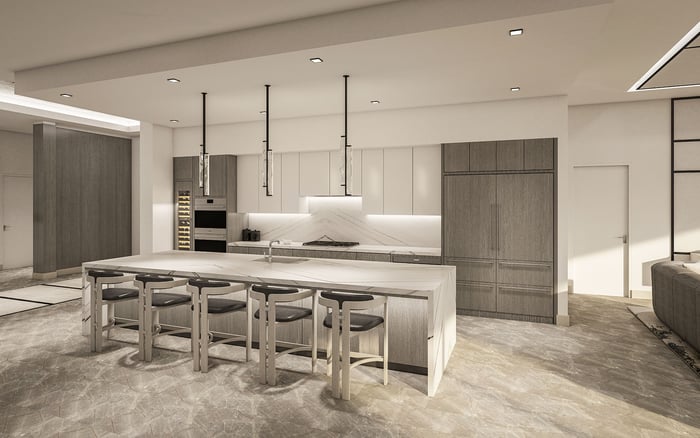
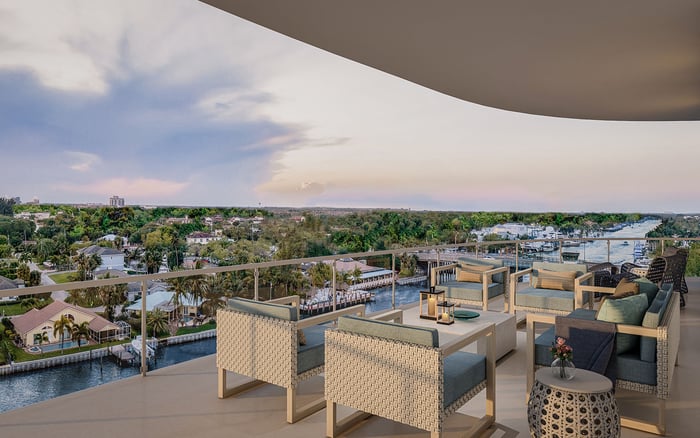
A buyer’s guide to aligning trust or LLC ownership, written finish approvals, intended use, and resale documentation at Mr. C Residences West Palm Beach.

The appeal of Mr. C Residences West Palm Beach lies in its distinct residential identity. Planned as a 27-story tower with 146 private residences at 327 Okeechobee Boulevard, West Palm Beach, FL 33401, the project includes city, Intracoastal, and ocean views in its offering. Those descriptions are not guarantees for an individual home.
For a buyer considering a trust or LLC, the essential work begins before finish selection. Proposed ownership, intended occupancy, alteration rights, and eventual transfer should be reviewed together. The aim is to avoid choosing an ownership structure or commissioning an interior before confirming that the governing documents accommodate both.
A branded address does not, by itself, establish permission for entity ownership or a particular renovation. Written permissions should precede design commitments.
Do not assume that a trust or LLC may purchase, that an individual contract can be assigned to an entity, or that title can later be transferred without conditions. Each is a separate question requiring confirmation under the purchase agreement and applicable condominium documents.
Before signing, ask Florida counsel, the lender, and the title company to review the exact proposed vesting. For a trust, identify the trustee and the instrument establishing signing authority. For an LLC, identify the authorized signer and ask which organizational documents will be required. This is a preparation checklist, not a statement of the project’s closing requirements.
Request the purchase agreement, declaration, bylaws, and transfer-fee schedule. Counsel should distinguish permission to acquire the residence from permission to assign the contract or transfer ownership later. Ask whether each proposed step requires consent, documentation, fees, or lender approval, and obtain the answers in writing.
For buyers also considering Alba West Palm Beach, use the same ownership questions as a comparison framework. An answer for one building does not apply to another simply because both are on the same shortlist.
Before settling the ownership structure, decide whether the residence is intended as a permanent home, a seasonal retreat, or a property with rental participation. These intentions should guide questions to legal and tax advisers, not remain unexamined assumptions until closing.
Florida’s homestead exemption can reduce taxable value by up to $50,000 for qualifying permanent residences. The Save Our Homes assessment limitation is a separate benefit, not another name for that exemption. Neither should be built into an ownership budget without an eligibility review.
The ownership instrument matters: Florida property-tax rules require legal title or beneficial title in equity, and the deed or other ownership instrument must be recorded for homestead qualification. A trust or LLC label alone does not establish how those requirements apply to a particular buyer.
Applications go to the county property appraiser, with a standard March 1 filing deadline for the tax year. Seek a unit-specific determination from the Palm Beach County Property Appraiser, particularly if hotel-rental participation is contemplated. Do not assume that occasional personal use establishes eligibility.
At Mr. C, buyers should confirm the precise residence category and applicable rental arrangements for the selected unit. A generalized floor description does not establish rental rights, minimum terms, furnishing obligations, or hotel-program eligibility. Request the applicable rental-program agreement alongside the condominium documents.
Treat “brand-standard renovations” as a question to resolve, not evidence of an established approval system. Before commissioning changes, request alteration procedures, finish specifications, and any applicable rental-program design requirements. Ask who can authorize a deviation and which written instrument records that authorization.
Clarify whether approval must come from the developer, association, hotel operator, or another designated party. One party’s aesthetic endorsement should not be presumed to satisfy every applicable requirement. Ask separately about administrative approval, technical review, and any governmental permits the proposed scope may require.
Even when comparing Mr. C Tigertail Coconut Grove, a shared name is no substitute for property-specific review. Keep each residence’s ownership, alteration, and rental documents separate.
Approach customization with a written schedule distinguishing the contracted finish package from every requested change. For each item, record the original specification, proposed alternative, approval status, responsible party, price, and decision deadline. This gives the discussion greater precision than images or samples alone.
Ask whether changes are available before delivery, only after closing, or not at all under the applicable documents. Obtain written substitution terms and warranty treatment. A requested stone, appliance, or cabinetry detail should not be described as included until it appears in the appropriate executed documentation.
For post-closing work, request any applicable contractor qualifications, insurance requirements, work-hour restrictions, access procedures, review charges, and deposits. These are matters to investigate, not confirmed Mr. C policies. Have the design team define the proposed scope clearly enough for the appropriate reviewer to respond.
If rental participation is contemplated, ask whether modifications affect eligibility and whether furnishings or finishes must meet continuing standards. Resolve potential replacement or restoration obligations before authorizing expenditure. Do not presume a particular finish matrix or resale-restoration requirement.
Build a residence file as soon as a change is proposed. Preserve written approvals, final plans, permits where applicable, invoices, warranties, and a schedule distinguishing original finishes from upgrades. Keep rental-program agreements and related records with the ownership documents rather than scattered among advisers.
Before resale, request current association disclosures and estoppel information. Ask counsel to review applicable transfer procedures, fees, and any obligations associated with leaving a rental arrangement. If an entity or trust holds title, have the title company confirm the documentation and signing authority needed for the contemplated sale.
Do not assume that customized finishes will command a resale premium. Prepare instead to explain precisely what changed, whether it was authorized, and what documentation accompanies it. If restoration is requested, establish its contractual basis and scope rather than treating it as an unwritten consequence of branded ownership.
The strongest preparation is a coordinated review of the intended owner, intended use, approved interior, and eventual exit. Before committing, ask advisers to identify unresolved conditions and distinguish binding permissions from proposals still awaiting approval.
That discipline leaves room for the pleasures of ownership: a considered interior, a suitable residence, and a plan reflecting how the buyer actually intends to live. Personalization should follow documented permission; resale preparation should begin well before the decision to sell.
For a discreet discussion of your West Palm Beach purchase priorities, connect with MILLION.
If branded residences are on your mind — as a home or as an allocation — we would be glad to share what we are seeing, privately.
Begin a quiet conversationPermission should not be assumed. Have Florida counsel review the purchase agreement and condominium documents, and confirm the proposed vesting with the lender and title company.
Assignment rights require separate confirmation from permission to purchase. Review consent requirements, documentation, and any applicable fees before planning a later assignment.
The project is planned as a 27-story tower with 146 private residences at 327 Okeechobee Boulevard in West Palm Beach.
No. City, Intracoastal, and ocean views are project-level descriptions and should be verified for the specific residence.
Confirm the designated approval authority in the applicable documents. Do not assume that developer, association, or hotel-operator approval substitutes for every other required authorization.
Request the original and proposed specifications, approval status, costs, deadlines, substitution terms, and warranty treatment. Keep executed documentation with the residence records.
No. Eligibility requires review of the ownership instrument and permanent-residence qualifications, including legal or beneficial title and recording requirements.
The standard deadline is March 1 for the tax year. Applications go to the county property appraiser.
Yes. Confirm unit-specific rental eligibility and obligations, and obtain a homestead determination from the Palm Beach County Property Appraiser rather than assuming personal use is sufficient.
Do not presume a restoration requirement without reviewing the applicable documents and approvals. Preserve alteration records, permits where applicable, invoices, warranties, and original-versus-upgraded finish schedules.