A trust purchase at Five Park establishes a transaction precedent, not universal ownership or amenity rights. Buyers should confirm unit-specific wellness eligibility, guest privileges, practitioner permissions, and reservation terms before closing.
At Five Park Miami Beach, the purchase decision extends beyond the residence itself. For a buyer taking title through a trust or LLC, the essential distinction is between owning the property and determining who may use its clubs, wellness facilities, and services. An ownership structure is not an amenity credential.
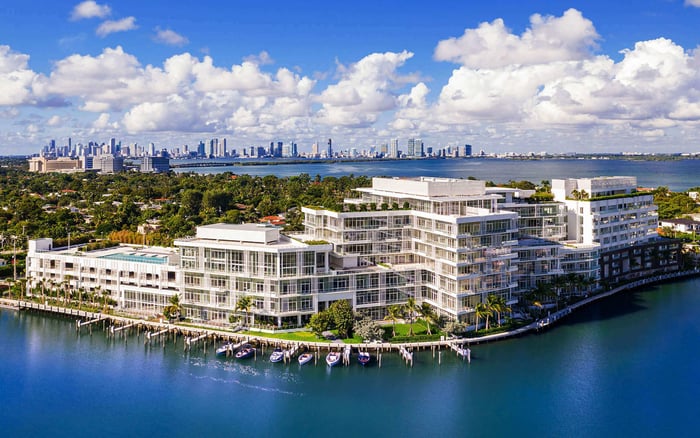
Located at 500 Alton Road, Miami Beach, Five Park was complete by January 2025. Its wellness offering includes workout spaces, spa facilities, and club environments. Yet a household’s experience turns on questions square footage cannot answer: which individuals qualify, which spaces their residence gives them access to, and whether their preferred practitioner may accompany them.
Evaluate title, occupancy, amenity eligibility, and service access separately, then confirm how they work together for the intended household.
A trust in the name of Jay H. Newman paid $17.25 million for a Five Park penthouse. The transaction establishes a concrete example of a trust-based acquisition at the property-not unrestricted LLC ownership, a universal approval procedure, or automatic club privileges for every beneficiary.
For a proposed trust purchase, ask counsel to confirm the applicable ownership requirements and management to explain how individual occupants become recognized residents. For an LLC, seek confirmation of the proposed arrangement rather than treating the trust transaction as an equivalent precedent.
The inquiry should cover both the initial purchase and subsequent changes. Ask whether replacing a trustee, changing company membership, or designating a different occupant triggers notice, review, fees, or updated credentials. These are diligence questions, not established Five Park requirements.
Above all, distinguish the person authorized to sign for the owner from the people authorized to occupy the residence and use its amenities. Those roles are not necessarily interchangeable.
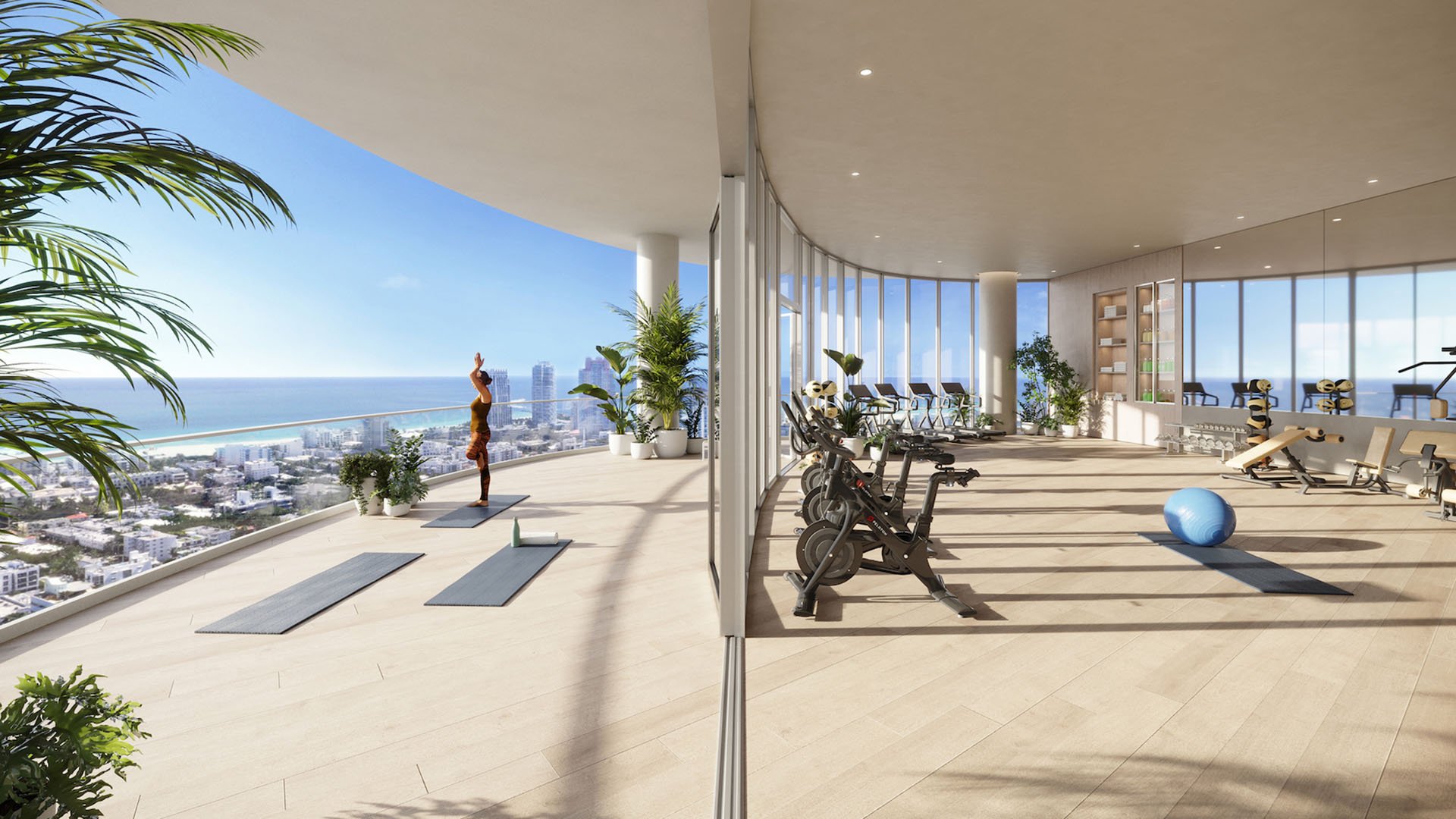
Five Park’s stated amenity total is 50,000 square feet. Its Park Club places dedicated spa facilities on the sixth level, while the wellness offering includes indoor and outdoor workout areas, a yoga deck, and spinning facilities. Spa features include saunas, a hammam, and massage or treatment rooms.
These details describe the physical spaces, not the number of simultaneous users, appointment availability, or the likelihood of securing a preferred treatment time. No verified treatment-room count, class limit, staffing ratio, booking window, or peak-time utilization is established here.
For a buyer whose morning training session is nonnegotiable, the decisive questions are operational. Request current schedules, reservation limits, cancellation terms, and an explanation of how peak demand is managed. Ask which services require separate payment and whether recurring appointments are available.
A buyer also considering The Well Bay Harbor Islands should apply the same distinction between an advertised wellness program and confirmed usability. The comparison should rest on each property’s written terms, not an assumption that access policies are interchangeable.
The Canopy Club occupies the 26th floor and carries a residents-only members-club designation. Its stated program includes private dining, a bar and lounge, living rooms, a library, a den, outdoor terraces, and wellness or workout sections.
However, the Body & Mind Wellness Center also carries an exclusivity designation tied to Canopy Residences. That narrower wording makes unit-specific confirmation essential. A general residents-only designation does not establish that every residence receives every wellness privilege.
Request a written list of the club and wellness areas available to the exact unit under consideration. Clarify whether access attaches to the residence, designated occupants, a separate membership, or some combination, and whether additional terms or fees apply.
The historical 2022 figure for Canopy Club social spaces was approximately 40,000 square feet. Do not add that figure to the 50,000-square-foot amenity total: the figures may overlap or reflect different boundaries. Neither establishes operating capacity.
Address trust beneficiaries, LLC members, resident family members, and visiting guests separately in the access inquiry. On the available facts, a financial or beneficial interest in the owner does not establish resident status.
Before closing, describe the intended use in practical terms. Will adult children visit without the principal resident? Will different family members occupy the home at different times? Will houseguests expect independent access to the gym or spa?
Guest caps, accompaniment requirements, registration procedures, and the status of nonresident beneficiaries remain unverified. Request written answers for each intended arrangement rather than relying on the broad phrase residents-only.
For a Miami Beach search that also includes The Perigon Miami Beach, use the same household scenarios when requesting access terms. Compare actual permissions; do not presume that either building follows the other’s rules.
Five Park’s stated wellness program includes an in-house wellness coach or personal trainer. That offering does not establish permission for an owner’s outside trainer, therapist, or massage practitioner to work in shared facilities.
Treat practitioner access as two separate questions: permission to visit a private residence and permission to provide services in common areas. Approval for one does not imply approval for the other. The presence of treatment rooms does not establish that owners may reserve them for independent providers.
Request clarification by activity and location: private training in the gym, a massage in a shared treatment room, and an appointment inside the residence. If outside providers are permitted, ask for any applicable registration, insurance, credential, scheduling, and fee requirements. None should be treated as an existing Five Park rule without confirmation.
Before committing, assemble a concise access file for counsel and management to review. Include current condominium rules, applicable club terms, and written responses tied to the proposed owner, occupants, and residence.
Prioritize five confirmations:
Whether the proposed trust or LLC arrangement is acceptable and what approvals apply.
Who may be designated a resident and how those designations can change.
Which club and wellness facilities the specific residence is eligible to use.
How guests and outside practitioners may enter and use permitted spaces.
Which fees, reservations, and scheduling restrictions affect the intended routine.
Ask counsel to assess the status of written assurances against the governing documents. The goal is to align the ownership structure with the life the buyer expects to lead: family visits, reliable training, and wellness appointments without unresolved access assumptions.
For a discreet conversation about aligning a South Florida residence with your ownership and lifestyle priorities, connect with MILLION.
If branded residences are on your mind — as a home or as an allocation — we would be glad to share what we are seeing, privately.
Begin a quiet conversationA trust in the name of Jay H. Newman paid $17.25 million for a Five Park penthouse. That transaction establishes a trust-based purchase precedent, not universal ownership or access rights.
No. Buyers should obtain confirmation of the proposed LLC arrangement and applicable approval procedures rather than treating a trust transaction as blanket entity approval.
Automatic resident privileges for beneficiaries are not established. Confirm how the specific individuals who will occupy the home are designated and granted access.
No. The figure describes marketed amenity space, not simultaneous users, treatment availability, staffing, or class limits.
The Park Club’s dedicated spa facilities are on the sixth level. The published spa offering includes saunas, a hammam, and massage or treatment rooms.
That is not established. The center has been described as exclusive to Canopy Residences, making written confirmation for the specific unit essential.
No. The historical approximately 40,000-square-foot Canopy Club figure and the 50,000-square-foot overall amenity figure may overlap or describe differently defined spaces.
Guest accompaniment rules, registration procedures, and caps remain unverified. Obtain written terms for the specific facilities and intended visiting arrangements.
Permission for outside practitioners to use common facilities is not established. Confirm shared-facility access separately from permission for private in-residence visits.
Request current condominium rules, applicable club terms, and written unit-specific confirmation of ownership approval, designated residents, amenity eligibility, guests, practitioners, fees, and reservations.