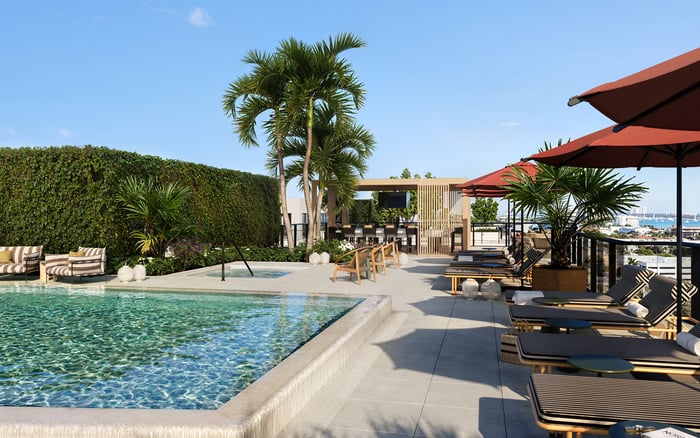
A Wellington seasonal purchase should begin with the intended rental calendar, an active-season inspection, and a clear-eyed view of resale. This guide separates vacation-rental compliance from seasonal leasing and showground activity, with practical checks before closing.
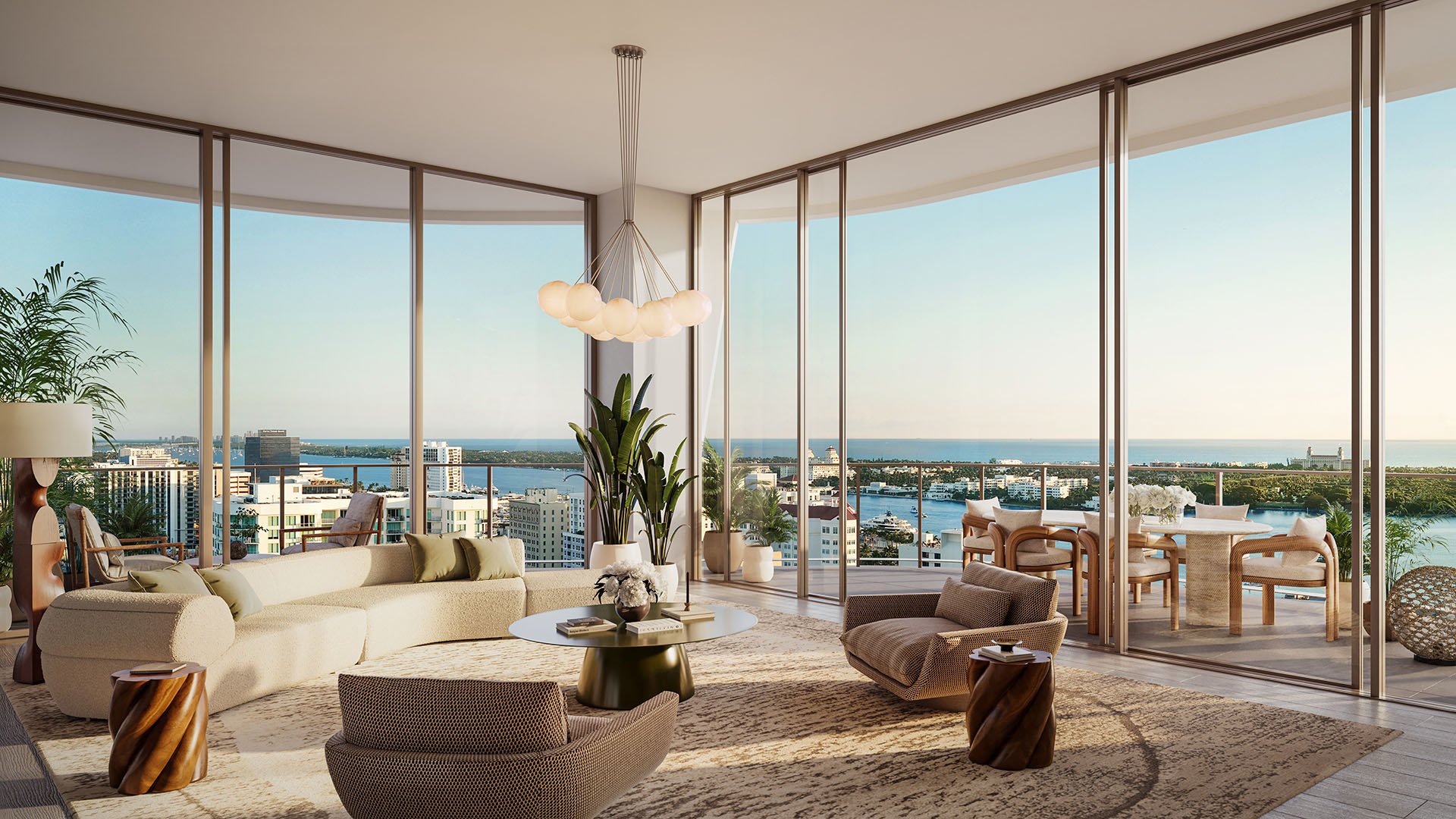
In Wellington, the right equestrian-season residence should support your daily rhythm, not simply place you near the showgrounds. Access, quiet interiors, guest arrangements, and the ability to lease during unused periods deserve as much attention as architecture and outdoor living.
Begin with a written ownership brief: who will occupy the property, for how long, how often it might be rented, and which daily journeys matter. A months-long personal retreat and a home offered for repeated short stays require different due diligence.
For buyers also considering West Palm Beach, Alba West Palm Beach can be part of that broader location comparison. The useful question is not which address sounds more convenient, but which travel pattern works during competition. Test the route rather than judging convenience from a map.
The 2023-2024 vacation-rental framework defined qualifying dwellings as those rented more than three times in a calendar year for stays of 30 days or less, excluding hotels and motels. That combination of frequency and duration matters. A seasonal lease should not automatically be treated as equivalent to repeated short bookings.
Under Ordinance 2023-13, each vacation-rental dwelling unit required a Vacation Rental Special Use Permit through the Village’s Planning, Zoning, and Building Department. The permit was a compliance step before eligibility for a local Business Tax Receipt. Applications could be made through the online Customer Self Service system or at Village Hall.
The framework also called for a designated Responsible Party and human-trafficking-prevention training or certification. Operating requirements included non-invasive noise and Wi-Fi monitoring. Confirm the current ordinance and the requirements applicable to your proposed operation before relying on any rental projection.
Months-long equestrian seasonal rentals were not the stated target of the crackdown on short-term party houses. That does not establish universal permission. Review zoning, association documents, minimum lease terms, rental-frequency limits, and tenant approvals independently.
Apply the same document-first discipline when comparing Mr. C Residences West Palm Beach. Do not assume particular leasing rights at either property without reviewing its governing documents.
Ask the seller for permits, business-tax documentation, rental agreements, and any available complaint or violation history. Have counsel reconcile those records with your intended rental calendar. A history of bookings demonstrates past activity, not permission for your future operation.
Do not assume a seller’s permit survives the sale. Obtain direct confirmation from the Village about what a new owner must apply for, update, or demonstrate. Treat operating responsibilities, monitoring, management, and potential interruptions as ownership considerations, not afterthoughts.
For underwriting, separate personal-use value from anticipated rent. Model a scenario in which approvals take longer than expected or rental availability is narrower than anticipated. This is an exercise in prudence, not a prediction of regulatory change. The acquisition should remain financially comfortable without depending on unconfirmed permissions or uninterrupted bookings.
Wellington established a 24-hour vacation-rental complaint hotline in 2024 at 561-486-9022 for issues including noise and parking. The system included options to submit supporting photo or video evidence. Confirm current contact details and procedures when preparing an owner or tenant handbook.
The November 2024 enforcement framework addressed rental noise audible inside neighboring homes with windows closed. It also included potential permit suspensions of up to 30 days after two violations within six months, or up to 180 days after three violations within that period. These are historical provisions to verify, not a substitute for current legal advice.
Keep vacation-rental nuisance enforcement separate from the rules governing equestrian-event noise. A rental complaint standard does not establish a venue-noise limit. Nor should a buyer assume that distance alone predicts what will be heard from a bedroom or terrace.
Arrange visits during active competition periods, including the times you expect to leave home and return. Listen from bedrooms and outdoor seating areas, with windows both open and closed. Record the conditions during each visit rather than treating one quiet afternoon as representative.
Drive the actual access routes. Observe parking, approaching headlights, nearby rental activity, and lighting after dark. Where relevant to your intended use, test arrival and loading arrangements rather than assuming the driveway will accommodate them comfortably.
Review drainage with appropriate professionals and request available property records. A visual inspection is useful, but it should not replace technical diligence. Keep a simple comparison sheet for each candidate: sound, access, privacy, lighting, drainage, and lease permissions. These observations provide a more precise basis for a decision than a general promise of proximity or tranquility.
In March 2024, final Council approval was granted for new horse showgrounds within Wellington’s approximately 9,000-acre Equestrian Preserve. In June 2024, plans for the proposed horse center called for adding 144 acres to Wellington International, doubling its showgrounds, and consolidating competitive equestrian sports at one venue.
Those were plans described in 2024, not confirmation that construction or relocation has been completed. Before buying nearby, establish the current approval and construction status, relevant access arrangements, and any changes affecting the property’s surroundings.
Concerns raised at the approval meeting included flooding and wetland vegetation removal on the 114-acre parcel known as Pod F. These concerns were not findings of damage to a particular home. They warrant property-specific questions about drainage and adjacent land use, not blanket conclusions about an entire neighborhood.
Frame resale around the next buyer’s likely use. Someone prioritizing frequent showground access may assess a location differently from someone seeking quiet evenings and occasional attendance. Neither preference establishes a measurable premium or discount without relevant comparable sales.
If your search extends to Forté on Flagler West Palm Beach, apply the same ownership brief rather than assuming a different address resolves every trade-off. Verify travel, leasing permissions, and the living environment independently.
Before closing, assemble a concise file of confirmed rental rules, permit requirements, inspection findings, and nearby land-use status. Ask your adviser to distinguish demonstrated property advantages from speculative future benefits. Clear documentation gives a future buyer a firmer basis for evaluation without promising a particular resale result.
For a considered approach to Wellington seasonal ownership and South Florida residential alternatives, connect with MILLION.
If branded residences are on your mind — as a home or as an allocation — we would be glad to share what we are seeing, privately.
Begin a quiet conversationThe definition covered dwellings rented more than three times per calendar year for stays of 30 days or less, excluding hotels and motels. Confirm the current definition before planning an operation.
No; although they were not the stated target of the short-term rental crackdown, zoning and association rules still require review.
It required a Vacation Rental Special Use Permit for each vacation-rental dwelling unit, adding a compliance step before local Business Tax Receipt eligibility. Verify the current requirements before renting.
Do not assume the permit survives a sale. Obtain direct Village confirmation of the applications or updates required for a new owner.
Confirm Responsible Party requirements, human-trafficking-prevention training or certification, and applicable non-invasive noise and Wi-Fi monitoring requirements. Review these against the current ordinance and intended rental activity.
The November 2024 framework included potential permit suspensions after repeated violations. Verify current enforcement provisions and review available complaint history before underwriting rental income.
No; vacation-rental nuisance standards do not establish the rules governing equestrian-event noise, so those issues require separate evaluation.
Visit during active competition periods and at the times you expect to travel or relax at home. Check sound, lighting, parking, access routes, and drainage.
The 144-acre addition and consolidation were presented as plans in 2024, not confirmation of completion. Verify current approvals and construction status before relying on those improvements.
No guaranteed premium is established. Evaluate relevant comparable sales and how access, quiet, privacy, and rental permissions fit the likely future buyer.