A second-home buyer’s guide to evaluating hurricane readiness at Edgeworth West Palm Beach, with a focus on balcony removal, shutter responsibilities and written authorization for care during an owner’s absence.
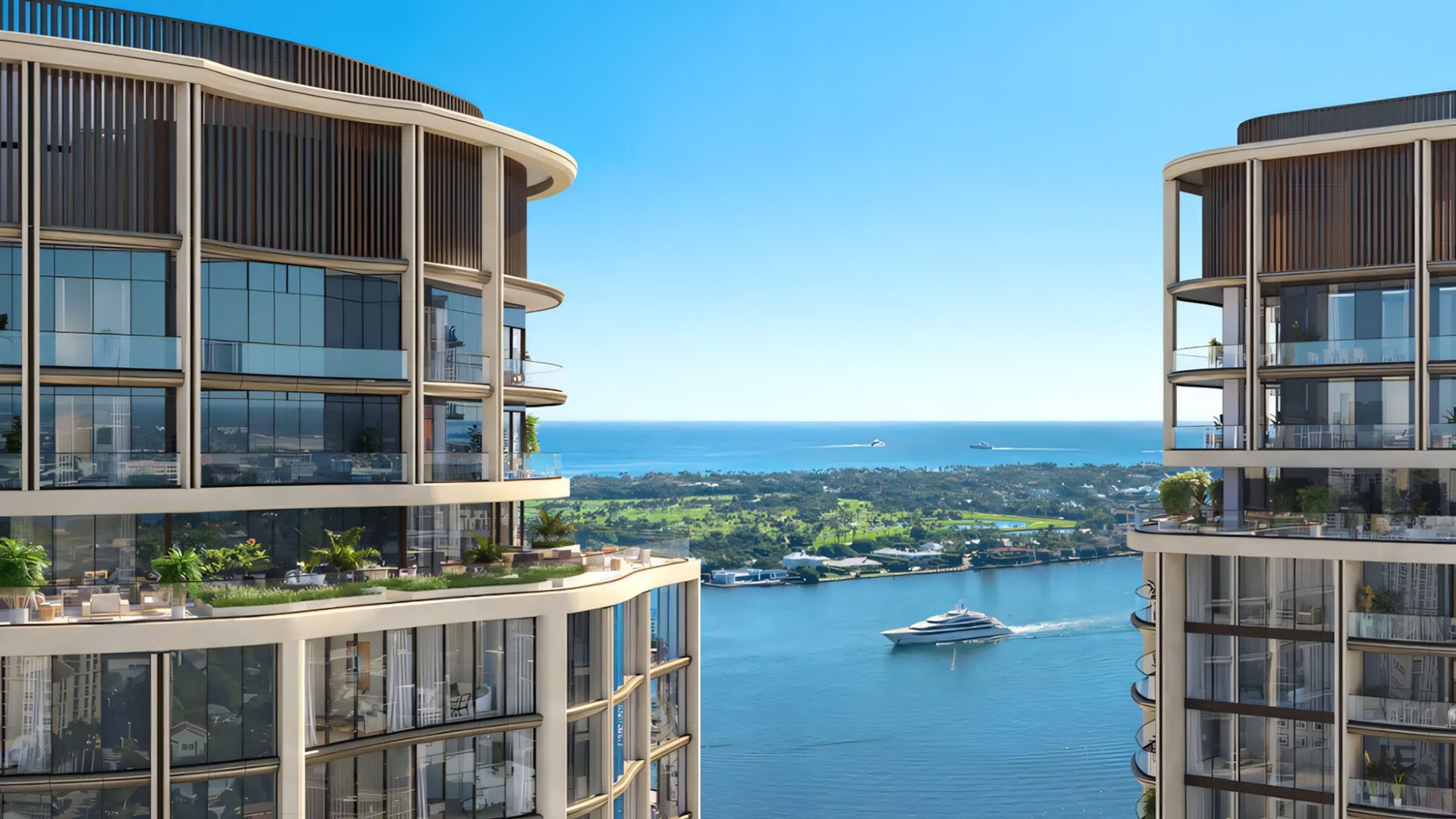
For a second-home buyer, a residence’s appeal extends beyond the rooms enjoyed in season. It also depends on what happens after departure: who clears the balcony, who operates any shutters, and who can enter when the owner is elsewhere. Those arrangements deserve the same scrutiny as the floor plan.
When considering Edgeworth West Palm Beach, begin by confirming the legal property name, street address and association. Rules for a similarly named property are not interchangeable. No shutter service, balcony-clearing obligation or entry arrangement should be treated as an Edgeworth commitment without current association confirmation.
The review should be practical, not promotional. A second home needs a departure plan that can be executed without improvisation. Before making a purchase decision, establish the responsibilities, permissions and costs that would make that possible.
Hurricane preparation is not a single service. Balcony clearing, shutter operation, access authorization and completion checks are separate tasks, even when one person handles them all.
Condominium policies can draw sharp distinctions between these duties. A provision allowing staff to close shutters does not necessarily authorize furniture removal or promise a complete storm-preparation service. Likewise, permission to enter a residence does not establish who will do the work once inside.
Ask management to identify the responsible party for each task and confirm whether assistance is included, separately arranged or unavailable. Establish what triggers action: departure, a specified absence, a forecast or a formal storm warning. Do not substitute an absence threshold from another condominium for the property’s actual requirements.
Apply the same discipline when comparing Alba West Palm Beach. Evaluate each property’s documented operating arrangement independently, rather than assuming comparable service from a shared location or luxury positioning.
“Clearance” can describe two different obligations: removing loose objects before a storm or an extended absence, or maintaining a specified distance from railings, doors, shutters, drains or façade edges. A removal requirement does not establish a dimensional standard.
For Edgeworth, request the applicable balcony policy before choosing furniture or interpreting a layout. Do not assume a particular setback or clearance measurement. Ask separately about storm removal, everyday placement, floor coverings and storage restrictions.
Furniture, potted plants and loose objects may require removal, while boxes, storage bins or exercise equipment may be prohibited as ordinary balcony storage. Certain floor coverings may also require a written exception. These are possible policy distinctions, not provisions to apply automatically to Edgeworth.
Prepare an inventory of everything intended for the balcony. Then ask which pieces must come inside, which may remain, and whether any installation requires approval. This turns a broad assurance that the balcony will be “secured” into a defined scope of work.
An outdoor setting is only as manageable as its departure arrangement. Before commissioning a large dining table or selecting substantial planters, identify where removable pieces would go during an absence or storm preparation.
Condominium rules may require patio furniture, decorations and loose objects to be moved indoors during hurricane season when owners are away, including between rentals. That is a planning consideration, not an established Edgeworth rule.
Test the proposed arrangement against the residence’s interior: where would the furniture sit, who would move it, and what would the approved access route be? Ask whether management permits the proposed handling method and whether a separate contractor is necessary.
For a buyer also considering Forté on Flagler West Palm Beach, this is a useful comparison exercise. Review how each proposed outdoor furniture arrangement would be managed during an absence, without presuming identical storage allowances or staff assistance.
Naming someone to receive a telephone call does not necessarily authorize that person to enter, move belongings or operate shutters. Treat contact information, access permission and work authorization as distinct parts of the departure plan.
Possible controls include written designation of a responsible person or firm, association clearance before shutter work, and limits on admitting visitors without an absent owner’s permission. Emergency-entry exceptions do not establish a routine service arrangement.
Ask for the association’s current forms and clarify the scope of each authorization. The completed arrangement should identify the primary representative, any backup, the permitted tasks and the procedure for obtaining access. Confirm whether vendors need separate approval and how changes to the designated representative are recorded.
If Mr. C Residences West Palm Beach is also under consideration, apply the same questions there. Service expectations should rest on written permissions and responsibilities, not assumptions drawn from a property’s name.
A promise to help is incomplete without timing. Ask when requests must be submitted, what event activates the preparation plan and whether assistance remains available as conditions change. Distinguish a discretionary right to act from an affirmative service commitment.
Costs deserve equal attention. Condominium rules may permit charges when management must remove balcony items because of a storm threat. That does not establish an Edgeworth fee, but it makes the current fee schedule and charge-authorization process important points to review before purchase.
Finally, agree on how completion will be confirmed. A written checklist or photographs can be requested as part of the service arrangement; neither should be assumed to be standard. Identify who receives confirmation and what happens if a task cannot be completed.
Request the current governing documents, hurricane notices, balcony and shutter policies, emergency-contact forms, insurance information and recent board minutes. Review them together rather than treating a single house-rule provision as the complete operating plan.
Municipal outdoor-storage guidance for rental properties is a separate consideration. It does not replace condominium restrictions or settle the association’s requirements for an owner’s balcony.
The purchase decision should turn on a clear division of responsibility: who acts, when they act, where belongings go, what entry permission applies and how the owner knows the work is finished. A dependable seasonal arrangement is part of the residence’s practical value. Resolve those questions in writing before relying on the convenience of leaving it unattended.
For a considered approach to your next South Florida second home, explore MILLION.
If branded residences are on your mind — as a home or as an allocation — we would be glad to share what we are seeing, privately.
Begin a quiet conversationNo. Confirm the legal property identity and current association-issued documents before applying any hurricane, balcony or entry requirement.
Not necessarily. Shutter operation and removal of furniture or plants are separate tasks that need separate confirmation.
No. Removing loose objects is different from maintaining a measured distance from railings, doors, shutters or drains; request the applicable dimensional requirements in writing.
Yes, as a purchase-planning measure. Identify where removable pieces would go and confirm the association’s actual removal and storage requirements.
Do not assume so. Confirm access permission and work authorization separately from emergency-contact designation.
Ask whether the association requires a responsible person or firm and what written designation it accepts. Define that representative’s tasks and access permissions.
Obtain Edgeworth’s current written requirements to establish whether an absence threshold applies. Do not borrow a threshold from another condominium.
Some condominium policies permit such charges. Any Edgeworth charge should be confirmed through its current policies and applicable fee schedule.
Request governing documents, hurricane notices, balcony and shutter policies, emergency-contact forms, insurance information and recent board minutes.
Agree in advance on a completion record, such as a written checklist or photographs. Confirm who supplies it and how unfinished tasks are communicated.