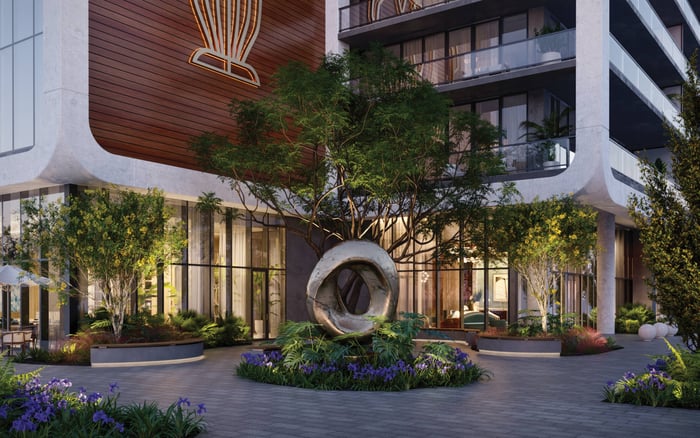
For collectors evaluating a Palm Beach residence around the boat show, decisive details may include loading access, elevator rules, association approvals, climate strategy, insurance, and off-site storage.
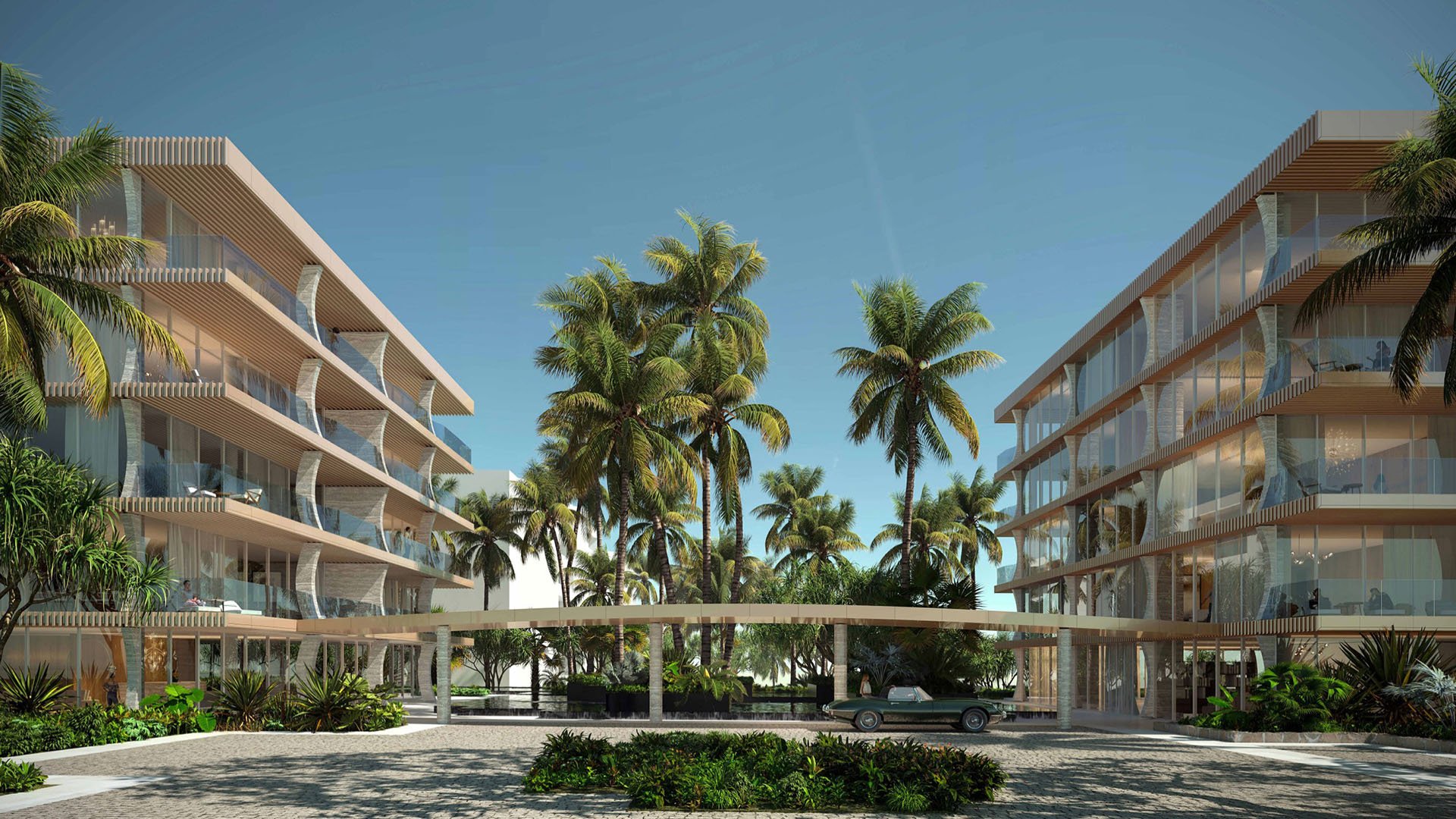
The Palm Beach International Boat Show can be a useful moment to evaluate a South Florida residence, particularly for buyers whose interests span yachts, design, and collecting. Yet an art-ready home is defined by more than generous walls and polished interiors. The practical review begins at the curb, continues through the approved loading and elevator route, and ends with the conditions surrounding each work.
Before touring, prepare a confidential inventory of the collection’s largest, heaviest, and most climate-sensitive pieces. Record packed dimensions as well as installed dimensions. A sculpture that suits a salon may still encounter a difficult loading door, elevator threshold, corridor turn, or residence entry. The complete route should be measured rather than judged from the elevator cab alone.
For a collector, the service route is part of the residence.
This operational lens is relevant to a Palm Beach condominium, a West Palm Beach tower, or a private home. The objective is to understand how art can be delivered, installed, conserved, rotated, and removed without relying on last-minute solutions.
Building procedures differ, so request the current written rules directly from management during due diligence. Confirm which elevator is approved for large deliveries and ask about available reservation windows, advance-notice requirements, protective padding, staffing, deposits, forms, and contractor documentation.
Measure the approved elevator’s interior height, width, depth, door opening, and stated load limit. Then inspect the loading approach, dock or curb access, lobby doors, ceiling clearances, corridors, corners, thresholds, and unit entry. Determine whether a crate can remain in its required orientation throughout the journey and where unpacking may occur.
Door and security procedures can shape a move as much as dimensions. Ask whether doors may be held open, who controls access, where a delivery vehicle may wait, and how building staff supervise the route. The handler’s written plan should reflect confirmed procedures rather than assumptions.
When comparing Palm Beach Residences with options across the Intracoastal, request a management-led route walk when available. The exercise should trace the path a crated work would actually take. Waterfront views matter, but dependable back-of-house circulation may be equally important to a collector.
A successful installation requires the schedules of the art handler, building management, elevator staff, installer, and any other approved professionals to align. Before a shipment leaves storage, confirm loading access, elevator reservations, staff coverage, installation time, and the procedure for delays.
Ask management whether the carrier, handler, installer, or contractor must provide insurance documentation. Separately, review the owner’s coverage for transit, temporary storage, installation, and risks relevant to the residence and collection. Coverage questions should be addressed with qualified insurance professionals rather than inferred from sales materials.
Residences such as Forté on Flagler West Palm Beach and The Ritz-Carlton Residences® West Palm Beach may enter a collector’s search for many reasons. Regardless of the property, delivery governance should be reviewed independently and in writing. Marketing materials do not replace current building rules or a confirmed reservation.
A residential HVAC system should not be assumed to satisfy the needs of every artwork. Media, fabrication, framing, glazing, placement, sunlight, exterior exposure, and occupancy patterns can influence a collection-specific strategy.
Engage appropriate conservation and mechanical professionals to assess the proposed installation and the residence’s capabilities. The review can address monitoring, zoning, filtration, backup planning, sensor placement, and extended vacancies. Decisions involving display lighting, millwork, wall reinforcement, or mechanical changes should follow that assessment and any required building review.
Off-site climate-controlled storage can provide flexibility while a residence is renovated, approvals are pending, or an installation sequence is being developed. Before selecting a facility, evaluate its environmental controls, access procedures, handling arrangements, insurance requirements, release process, and compatibility with the collection.
That staging strategy may be relevant while assessing a home such as Mandarin Oriental Residences, West Palm Beach. It allows the residence, installation plan, and building calendar to be coordinated before sensitive pieces arrive.
Collectors should distinguish between the residence’s private interior and any area or system controlled by an association or building. Ask management and counsel whether written approval is needed for balcony displays, exterior attachments, wall reinforcement, altered glazing, elevator work, or changes affecting shared elements.
A terrace may feel private, but that does not establish whether a sculpture or attachment is permitted. Obtain the applicable documents, identify the decision-maker, and secure written authorization before commissioning work or arranging delivery.
If an installation touches structural, mechanical, electrical, glazing, elevator, or exterior components, determine which licensed professionals, permits, reviews, and approvals apply. The installation plan should account for both the artwork and every regulated or building-controlled system it affects.
A collection-readiness file should bring together the written delivery rules, approved route, confirmed dimensions, notice procedures, elevator-booking terms, door controls, insurance requirements, contractor restrictions, and approval process. It should also identify who can answer operational questions and how any exception must be documented.
These details are not administrative footnotes for a collector. They determine whether works can enter the residence safely, whether installations can proceed as planned, and whether future rotations can be managed with confidence. The strongest purchase decision pairs aesthetic conviction with verified logistics, professional conservation planning, and clear building procedures before closing.
For discreet guidance on Palm Beach and South Florida residences suited to a collector’s priorities, connect with MILLION.
If branded residences are on your mind — as a home or as an allocation — we would be glad to share what we are seeing, privately.
Begin a quiet conversationA work may suit the interior but encounter problems along the approved loading and elevator route. Building procedures can also affect scheduling and installation.
Review loading access, doors, elevator openings and interiors, corridors, corners, ceiling clearances, thresholds, and the residence entry.
Do not assume that it can. Confirm the approved elevator and current delivery procedures with building management.
Ask for current rules covering deliveries, reservations, notice, padding, access, deposits, insurance documentation, and contractors.
A management-led route walk can help confirm the approved path and access procedures. Availability and scope depend on the property.
Coordinate the handler’s availability with loading access, elevator reservations, staff coverage, and installation time before release from storage.
No single system should be assumed suitable for every collection. Appropriate conservation and mechanical professionals should assess the works and residence.
It can provide flexibility while renovations, approvals, or installation planning are underway. Environmental controls, access, handling, and insurance should be reviewed.
Do not assume that it is permitted. Review the governing documents and obtain any required written approval before installation.
Discuss transit, temporary storage, installation, and residence-specific risks with qualified insurance professionals. Also confirm any building documentation requirements.