Miami Art Week can serve as a practical test of how a prospective South Florida residence handles arrival privacy, chauffeur coordination, traffic pressure, and cross-bay scheduling. This buyer-focused guide outlines the access questions worth testing before a purchase.
A buyer combining Miami Art Week appointments with residence tours should organize the schedule into focused neighborhood blocks. Separating Miami Beach, Downtown Miami, Edgewater, and Wynwood appointments can reduce avoidable transfers and create more time to evaluate each property.
Build flexibility between stops rather than treating the day as a tightly timed circuit. A measured itinerary supports discreet arrivals and gives the buyer time to observe how traffic, guest access, and vehicle circulation affect the experience of a residence.
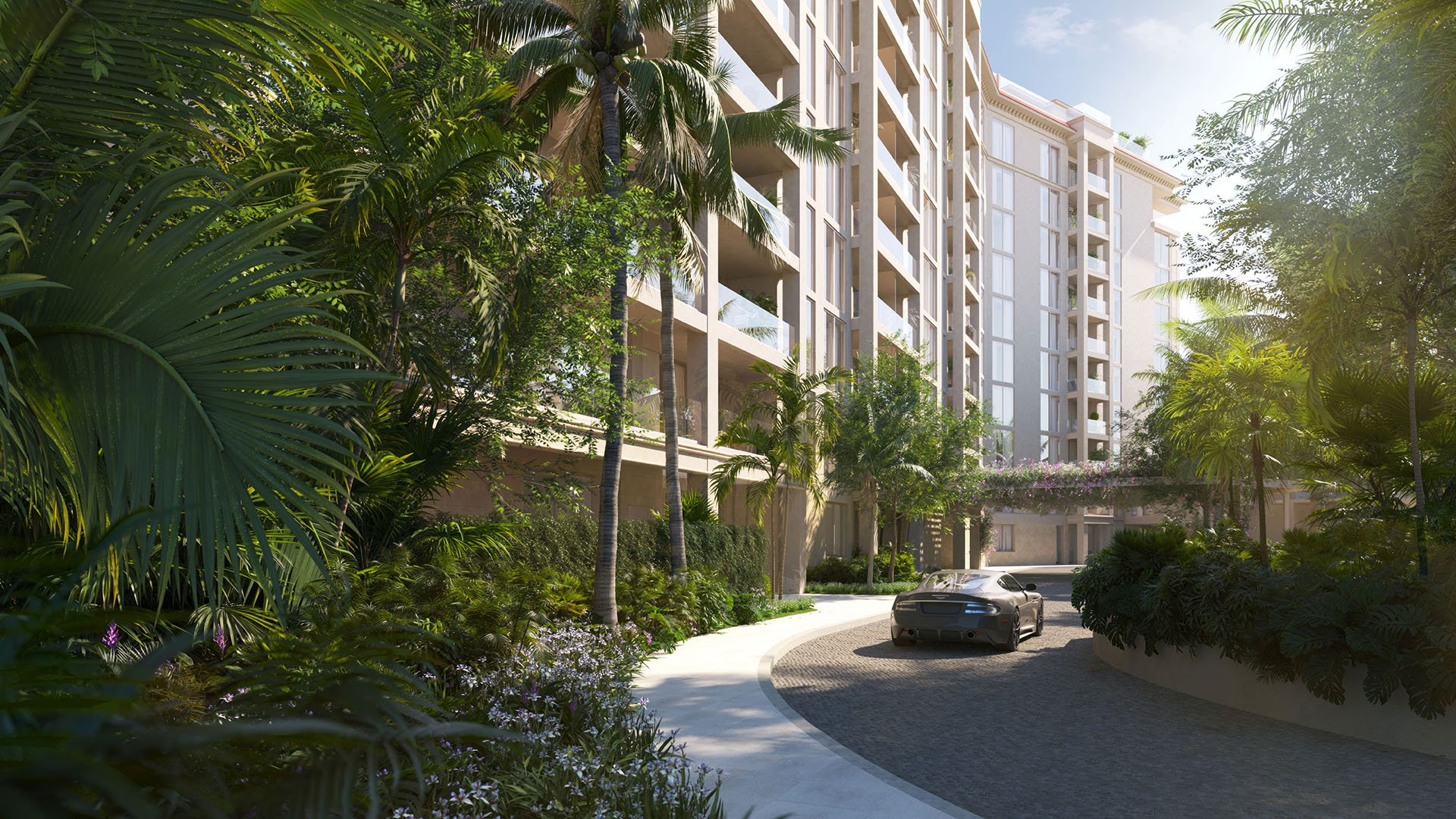
Arrival quality is part of the ownership experience. During a tour, look beyond the lobby and consider the complete sequence from the street or driveway to the private residence.
At The Ritz-Carlton Residences® Miami Beach, for example, a buyer can use the viewing to assess how a Miami Beach residence fits a chauffeured schedule. The relevant questions include where a vehicle may pause, how guests are received, and what alternative procedure applies when the preferred entrance is busy.
Before each appointment, establish a precise meeting point, passenger name, vehicle description, direct contact method, and backup location. This avoids an extended curbside search and gives the driver a clear plan if the intended approach becomes impractical.
Ask the residence team whether guests and residents follow different arrival procedures. Buyers should also clarify how luggage, companions, and service providers are handled when privacy is a priority.
A driver plan should account for the time before, during, and after a tour. Confirm whether the vehicle may remain on site, must relocate, or should return at a scheduled time. If waiting is not possible, agree on a secondary pickup point before entering the property.
The objective is not simply proximity. A slightly longer transfer with a predictable handoff may be preferable to a shorter route that ends in an exposed or uncertain pickup.
Cross-bay travel can shape how comfortably a buyer combines fairs, dinners, and property appointments. Rather than assuming every location belongs in one itinerary, compare the practical rhythm of a Miami Beach base with that of a mainland residence.
A viewing at EDITION Edgewater can be paired with other Edgewater or nearby mainland appointments. Waldorf Astoria Residences Downtown Miami can anchor a Downtown Miami block, while Frida Kahlo Wynwood Residences can be considered within a dedicated Wynwood schedule.
If access is central to the purchase decision, arrange the tour at a time that resembles the buyer’s likely routine. Observe the driveway, porte-cochère, valet handoff, guest entrance, elevator path, and transition into the residence without assuming that a quiet viewing reflects a busier period.
Ask what happens when several vehicles arrive together and whether an alternate entrance or holding procedure exists. Any operational detail that matters to the purchase should be confirmed directly with the relevant residence team.
After each viewing, record the same access factors: route clarity, privacy at drop-off, driver waiting options, guest handling, backup procedures, and the number of transitions between the vehicle and residence. A consistent checklist makes comparisons more useful than relying on impressions alone.
Miami Art Week can therefore become a focused test of how a South Florida residence supports daily ease. The strongest choice will align architecture and location with the buyer’s preferred level of privacy, predictability, and mobility.
Why assess access during Miami Art Week? A busy cultural period can help a buyer examine how a residence fits a demanding schedule and whether its arrival sequence feels sufficiently private.
How should buyers organize property tours? Group appointments by neighborhood and leave flexibility between stops rather than repeatedly moving between Miami Beach and the mainland.
What should a private pickup plan include? Set a precise meeting point, direct contact method, vehicle description, and backup location before the appointment.
What should buyers ask about chauffeur staging? Confirm whether a vehicle may wait on site, must relocate, or should return at an agreed time.
Why test the complete arrival sequence? The route from the vehicle to the residence can reveal privacy, circulation, and guest-handling considerations that are not visible inside the unit.
Should Miami Beach and mainland tours be scheduled together? They can be, but separate geographic blocks may create a calmer and more predictable itinerary.
What property features deserve attention during arrival? Review the driveway, porte-cochère, valet handoff, guest entrance, elevator path, and any alternative access procedure.
How can buyers compare several residences fairly? Use the same checklist for route clarity, waiting options, privacy, guest handling, and backup arrangements at every property.
When should operational details be confirmed? Confirm important access and vehicle procedures directly with the residence team before relying on them in a purchase decision.
What makes an access plan resilient? It includes a preferred route, a clear handoff point, and a practical alternative if the initial plan becomes unsuitable.
For a confidential assessment and a building-by-building shortlist, connect with MILLION.
If branded residences are on your mind — as a home or as an allocation — we would be glad to share what we are seeing, privately.
Begin a quiet conversation