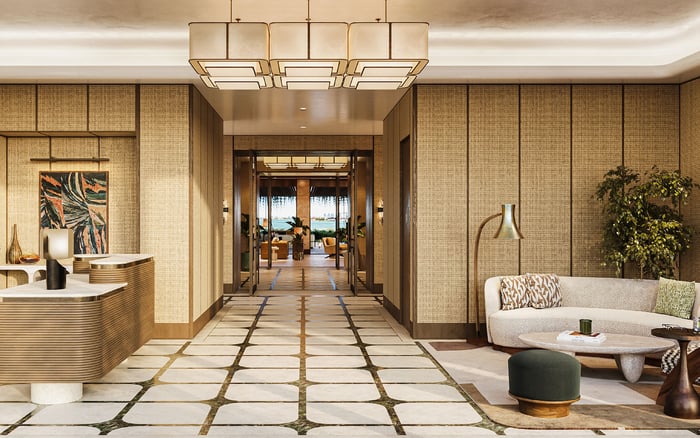
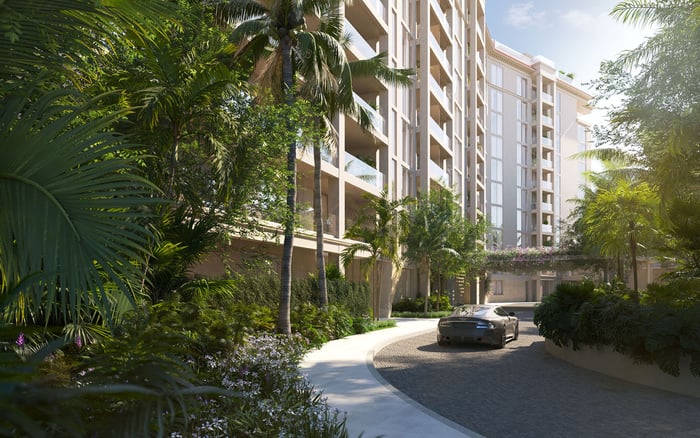
Art Week can provide a useful setting for evaluating how a luxury residence handles arrival, privacy, driver staging, and the transition from vehicle to private space. Buyers should compare peak-period conditions with ordinary access before judging convenience.
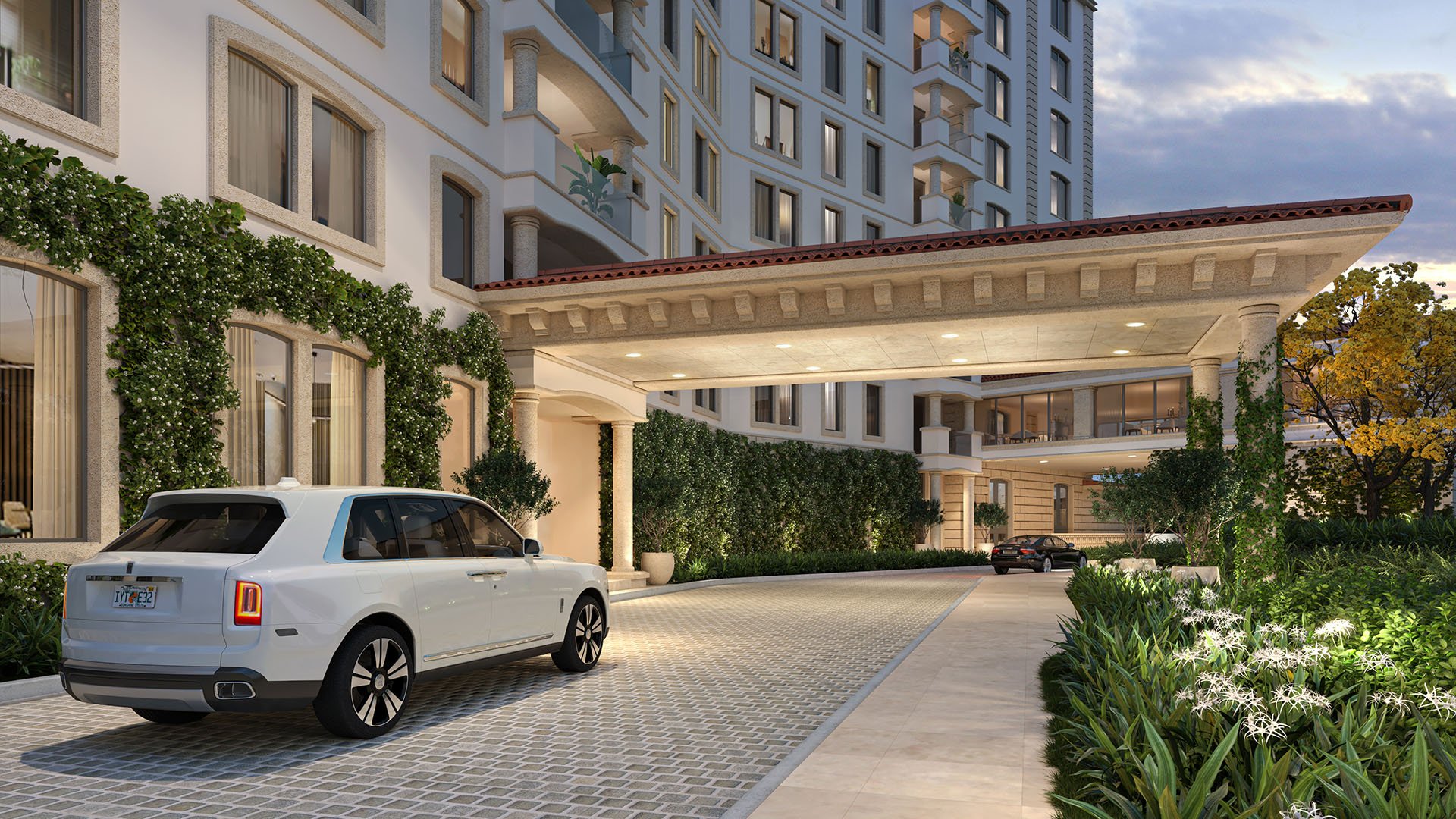
Buying around Art Basel Miami Beach calls for more than reviewing views, finishes, and floor plans. A showing during a busy period can help reveal how a residence manages vehicle arrivals, guest entry, lobby circulation, and the transition into private space.
Before departing, ask the listing broker to confirm the intended entrance, arrival procedure, driver waiting plan, guest verification process, and route to the residence. Repeat the assessment during a quieter period so that peak-period friction can be considered alongside normal daily access.
This approach is relevant when evaluating Setai Residences Miami Beach or another South Florida residence intended for frequent event-week use. The goal is not to eliminate every delay, but to understand whether the property’s access pattern suits the buyer’s priorities.
A practical itinerary should include a preferred route and a reasonable fallback. Current conditions and building instructions should guide the final choice rather than assumptions based on an earlier visit.
Share the destination entrance, building contact, arrival procedure, and alternate plan with the driver before departure. If the route changes, confirm that the revised approach still reaches the authorized drop-off point without creating an improvised stop.
Driver staging should be treated as a distinct part of the itinerary. The most convenient place to exit a vehicle may not be the best place for a driver to wait or return for pickup.
Agree on the drop-off point, staging area, communication method, and pickup location in advance. This reduces the need for last-minute coordination near a busy entrance and gives the buyer a clearer understanding of how the residence supports chauffeured travel.
Begin the privacy review before the vehicle door opens. Consider visibility from the street and sidewalk, the time required at the entrance, and whether residents and visitors follow the same circulation path.
Continue through reception, guest verification, the lobby, elevator access, and the residence threshold. The relevant question is how many public transitions occur before private space begins and whether the process feels orderly under pressure.
Architecture and branding alone do not establish arrival performance. Observe the actual sequence, ask how the team handles guests and vehicles, and compare the peak-period experience with an ordinary arrival.
Residence selection should reflect where the buyer expects to spend time during Art Week. A mainland home may make cross-bay travel part of the schedule, while a Miami Beach residence may place greater emphasis on local arrival management and building-level privacy.
For buyers considering The Residences at 1428 Brickell, the showing should account for the complete journey between Brickell and Miami Beach rather than focusing only on the building entrance. The same principle applies to any South Florida property used as an Art Week base.
For The Residences at Six Fisher Island, ask the broker to explain the full arrival sequence and every guest-access step relevant to the scheduled tour. Map distance alone does not describe the experience.
Avoid arranging tours so tightly that one delay disrupts the entire day. Leave enough flexibility to reconfirm the route, entrance, building contact, driver staging point, and pickup procedure before moving to the next appointment.
After each showing, record observations about curb exposure, waiting time, staff coordination, guest verification, lobby circulation, elevator privacy, and departure. A consistent checklist makes it easier to compare residences without relying on impressions formed under different conditions.
Why inspect a residence during a busy Art Week period? A busy showing can help a buyer observe how arrival, guest access, privacy, and circulation function under pressure.
Should the buyer also visit during a quieter period? Yes. Comparing both conditions helps distinguish peak-period friction from the property’s normal access experience.
What should the broker confirm before departure? Confirm the intended route, authorized entrance, arrival procedure, building contact, guest verification process, and pickup plan.
Why should a driver have a fallback route? A fallback provides an agreed alternative if the preferred approach becomes impractical, reducing the need for improvised decisions.
Should drop-off and pickup use the same location? Not necessarily. The broker and driver should confirm each location separately before the showing.
What should a privacy audit cover? Review street and sidewalk visibility, entrance exposure, guest verification, lobby circulation, elevator access, and the residence threshold.
How can a buyer evaluate chauffeured access? Establish the drop-off point, waiting plan, communication method, and pickup procedure, then observe how smoothly the sequence works.
Does a building’s branding guarantee a discreet arrival? No. Buyers should test the actual path from vehicle to residence rather than infer performance from branding or design.
How should mainland and Miami Beach options be compared? Compare the complete itinerary, including travel to planned activities, building entry, privacy transitions, and departure logistics.
What should be recorded after each tour? Note arrival exposure, staff coordination, guest entry, lobby and elevator privacy, driver staging, and the departure experience.
For a tailored shortlist and next-step guidance, connect with MILLION.
If branded residences are on your mind — as a home or as an allocation — we would be glad to share what we are seeing, privately.
Begin a quiet conversation