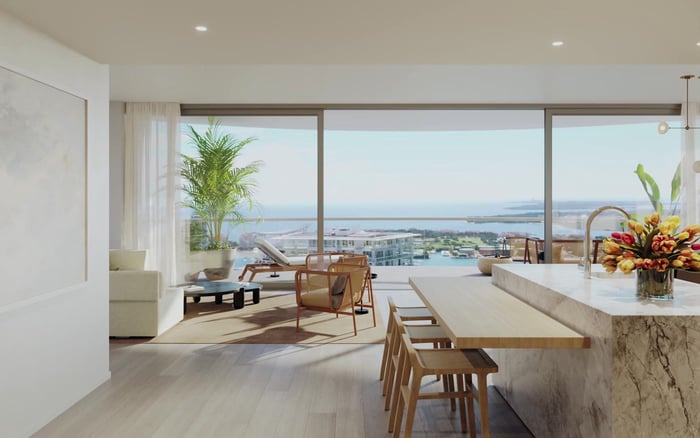
Miami’s social season offers a practical lens for evaluating how a residence handles visitors, service, access, and the boundary between hospitality and home.
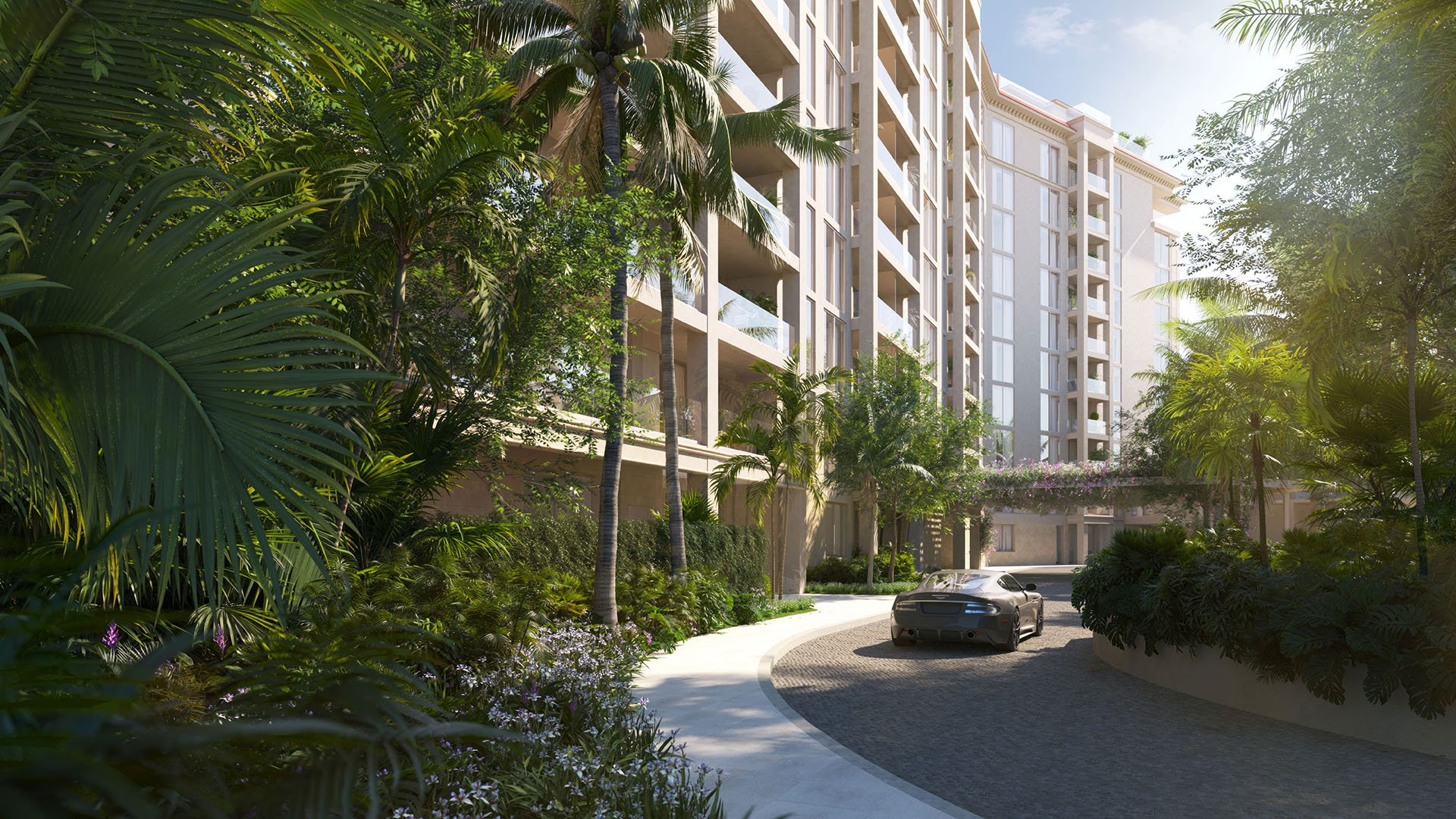
Miami’s private-club season is often viewed through the lens of reservations, invitations, and a full social calendar. For a luxury-home buyer, however, it can reveal something more consequential: whether a residence accommodates entertaining without allowing hospitality to overtake the home.
The issue is not simply whether guests can be accommodated, but whether they can be received elegantly, identified appropriately, directed without confusion, and kept separate from the household’s private rhythm. A polished residence should make hosting feel effortless while preserving the owner’s discretion before, during, and after an event.
That makes the season a useful stress test. More invitations bring more drivers, deliveries, service providers, visiting family, and last-minute changes. By observing how a building or community responds to that complexity, buyers can gain a clearer sense of its operational culture than a quiet private tour might provide.
Privacy takes shape at the first point of contact. Buyers should examine the entire arrival sequence, from the street or gate to the residence itself. Where does a guest wait? Who confirms access? Can staff distinguish a social visitor from a vendor? Is there a dignified place to resolve an unexpected arrival without creating a scene?
The most revealing questions are procedural. Ask how advance notice is handled, who can authorize entry, what happens when a name is missing, and whether the owner is contacted before a visitor proceeds. Then consider the physical journey. A beautifully designed lobby may still feel exposed if every arrival follows the same route or waiting guests are visible to the broader building.
In Brickell, buyers comparing urban options such as The Residences at 1428 Brickell should make access protocol part of the residence review, alongside architecture and views. Brickell offers a natural setting for entertaining, but the buyer’s task is to determine whether a particular address can preserve a private routine within an active district.
A successful hosting plan creates layers. The public layer encompasses arrival, greeting, and social space. The private layer includes bedrooms, family areas, personal offices, and any route used by household staff. Between them should be a clear threshold that guests intuitively understand.
Floor-plan analysis is therefore essential. An expansive great room does not automatically deliver privacy. Buyers should consider sightlines from the entry, access to powder rooms, the kitchen’s position, and whether guests must pass personal spaces to reach a terrace. Service circulation matters as well. Catering, flowers, luggage, and maintenance should be manageable without turning the principal arrival into a loading zone.
For Miami Beach buyers, Shore Club Private Collections Miami Beach can form part of a broader comparison of homes suited to a socially engaged coastal lifestyle. The relevant inquiry is not a promise about any project, but whether the residence, building rules, and staffing model align with the owner’s preferred degree of formality and control.
Luxury language may describe ambiance, but privacy is ultimately operational. Buyers should request a detailed explanation of visitor authorization, package handling, service access, parking coordination, and after-hours procedures. The response should be coherent enough to envision in practice, not merely reassuring in tone.
Staffing warrants particular attention. A larger team may provide greater support, yet discretion depends on training, consistency, and information discipline. Buyers can ask who receives guest names, how instructions are relayed, and how exceptions are documented. They should also clarify what remains the resident’s responsibility, particularly when hosting at short notice.
Rules are equally consequential. Guest limits, amenity reservations, valet procedures, private-event policies, and contractor access can shape daily life. Review the applicable documents and current procedures with qualified advisers. The objective is not to find the least restrictive residence, but the one whose framework matches the household’s expectations.
Different Miami settings support different social patterns. A buyer who frequently hosts dinners may prioritize seamless arrivals and service circulation. A family receiving houseguests may place greater value on bedroom separation and independent movement. An owner who values anonymity may prefer fewer shared transitions, while another may welcome a more visible, hotel-like social atmosphere.
In Coconut Grove, Vita at Grove Isle may enter the conversation for buyers considering a residential setting apart from the urban core. On Fisher Island, The Residences at Six Fisher Island offers another point of reference for purchasers weighing privacy as part of location selection. In each case, buyers should verify current access, guest, and service arrangements directly rather than infer them from geography or positioning.
This is where lifestyle and due diligence converge. A property can be visually serene yet operationally busy, or centrally located yet highly controlled. The decision should reflect the owner’s actual use case: who visits, how often, with what support, and under what level of discretion.
Before committing, buyers should model a demanding week rather than an ideal day. Imagine an overnight guest arriving as dinner is being prepared, a driver waiting, a delivery requiring approval, and family members returning home. Trace each person’s route and identify where instructions, identities, or private spaces could collide.
Then assess the residence against five priorities: controlled arrival, clear authorization, separate service movement, intuitive interior zoning, and rules compatible with the household. Ask for specifics, review governing materials, and, if access is available, revisit the property when common areas are active.
The right residence does not eliminate social complexity; it absorbs it with composure. For buyers who value privacy, that quality may matter more than a dramatic lobby or an extensive amenity menu because it protects the most valuable luxury of all: control over how home feels.
Why does private-club season matter when evaluating a Miami residence? It concentrates social activity, making guest access, staffing, arrivals, and privacy boundaries easier to assess under realistic conditions.
What should buyers ask about visitor authorization? Ask who can approve entry, how advance notice is recorded, and what happens when a guest arrives unexpectedly.
Is a private elevator enough to ensure privacy? No. Buyers should evaluate the entire route, including arrival, verification, waiting, elevator access, and entry into the home.
How can a floor plan improve guest management? Clear separation among entertaining, service, and personal areas can allow guests to move comfortably without entering private household zones.
Why do service routes matter during entertaining? They can prevent catering, deliveries, luggage, and maintenance activity from competing with the principal guest arrival.
Should buyers review building rules before purchasing? Yes. Current rules may affect guests, amenity use, private events, parking, vendors, and after-hours access.
Does a larger staff automatically mean greater discretion? Not necessarily. Consistent procedures, training, communication, and careful handling of resident instructions matter more than headcount alone.
How should frequent hosts compare Miami neighborhoods? They should match the location and residential format to their arrival patterns, guest frequency, service needs, and preferred visibility.
Can a second-home owner use the same privacy checklist? Yes. Second-home buyers should also consider remote guest approvals, household staffing, deliveries, and access while they are away.
What is the best way to shortlist comparable options for touring? Start with location fit, delivery status, and daily lifestyle priorities, then compare stacks and elevations to validate views and privacy.
For a tailored shortlist and next-step guidance, connect with MILLION.
If branded residences are on your mind — as a home or as an allocation — we would be glad to share what we are seeing, privately.
Begin a quiet conversation