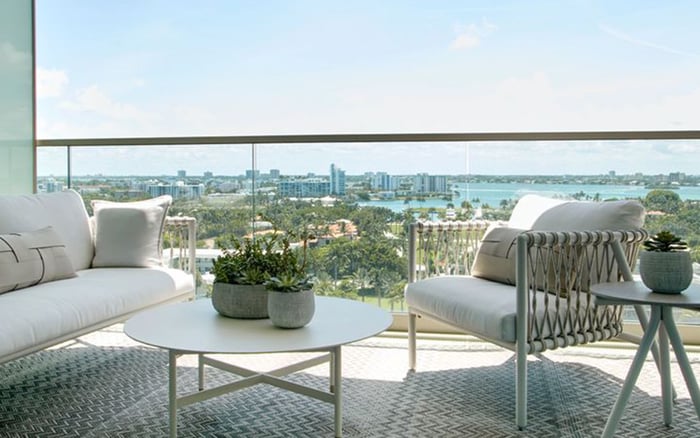
At Oceana Bal Harbour, sophisticated due diligence begins after the visual tour. Buyers should test how valet, service circulation, amenities, staffing, storage, fees, and association rules function in everyday ownership.
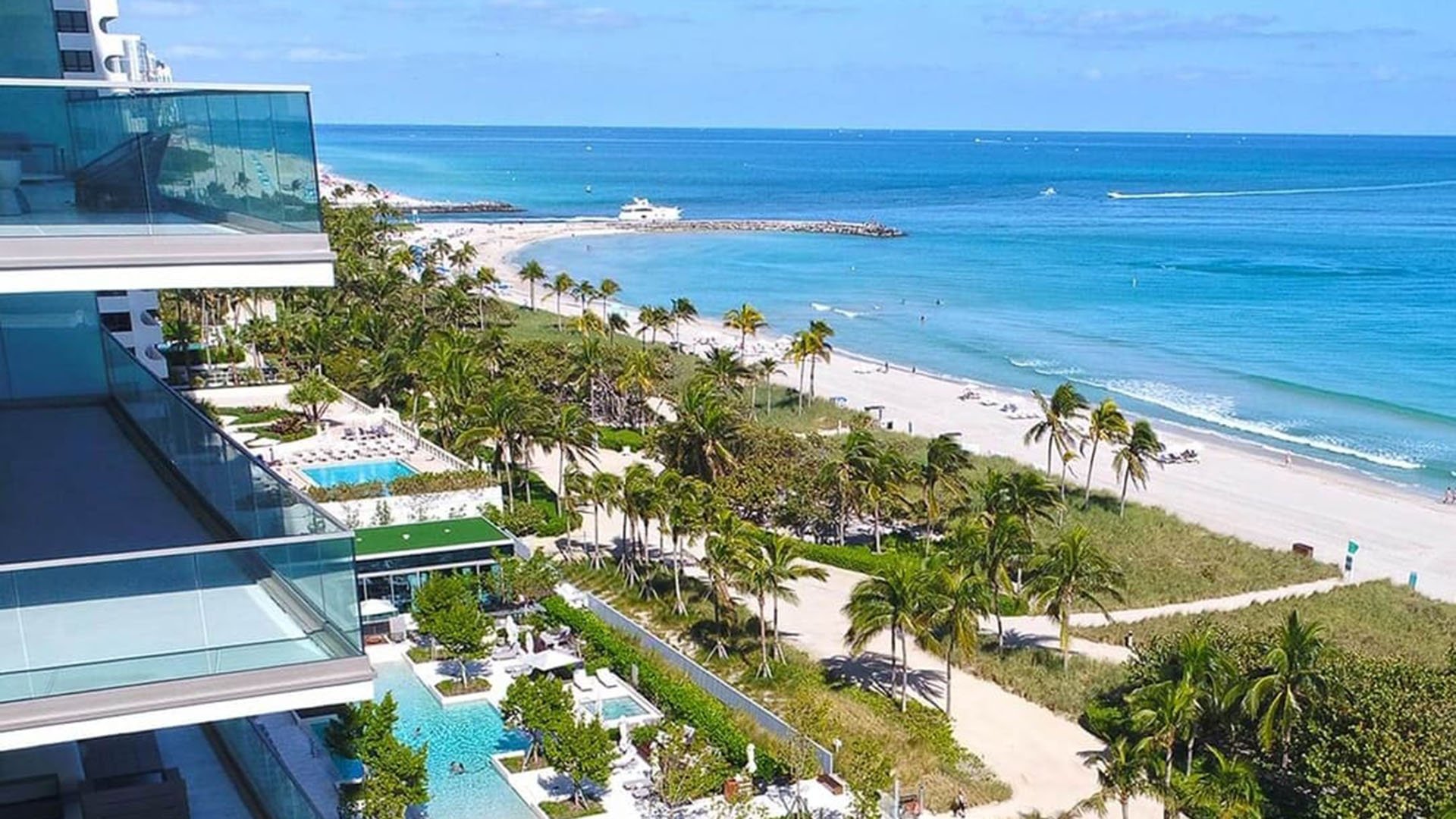
The first visit to Oceana Bal Harbour is naturally visual: ocean, architecture, the arrival sequence, residence proportions, and the relationship between private interiors and shared spaces. The more consequential tour begins afterward. It examines how the property performs at 7 a.m. on a weekday, over a holiday weekend, when guests arrive, or when a contractor requires access.
Located at 10201 Collins Avenue, Oceana Bal Harbour is a 28-story, 240-residence oceanfront condominium completed in 2016. Consultatio developed the property, with architecture by Arquitectonica. Its scale and amenity program make operational fluency essential. Oceanfront ownership is defined not solely by the view, but also by staffing, circulation, reservations, rules, and the clarity of the association’s financial framework.
This buyer’s-guide perspective is especially relevant to purchasers comparing established ownership at Oceana with newer Bal Harbour offerings such as Rivage Bal Harbour. The appropriate question is not which brochure promises more, but which operating model best suits the buyer’s household.
Gated entry, concierge service, and valet service are part of Oceana Bal Harbour’s offering. A sophisticated buyer should turn each amenity label into a practical inquiry. What are the current valet hours? How many vehicles may a residence accommodate? Are spaces assigned, deeded, or managed operationally? How are guests registered? Are there charges for residents, visitors, or extended stays?
Ask how vehicles are retrieved during peak periods and whether owners may request cars in advance. Household staff and drivers may require separate credentials or procedures. Gated-community security feels discreet only when authorization rules are clear, consistently applied, and compatible with the household’s daily rhythm.
These questions also matter when evaluating other service-oriented coastal properties, including The Surf Club Four Seasons Surfside. The comparison should center on documented procedures rather than assumptions based on brand, age, or presentation.
The service elevator deserves the same scrutiny as the private arrival experience. At Oceana, a Shabbat elevator operates using the service elevator, a detail that may affect how buyers assess capacity and service circulation at particular times.
Request written protocols for moves, large deliveries, furniture installation, contractors, and renovations. Confirm elevator-booking procedures, permitted windows, insurance requirements, protective measures, deposits, and fees. Ask where vendors enter, where trucks wait, and how long approvals typically remain valid. For a residence requiring extensive furnishing or future construction, these rules can influence both schedule and cost.
The same diligence applies to purchasers considering St. Regis® Residences Sunny Isles or any highly serviced South Florida condominium. Elegant operations are often most apparent in the parts of the building guests never see.
Oceana’s amenities include a private on-site restaurant, two clay tennis courts, and a spa and fitness center spanning two floors. Indoor spaces include an event salon with a full kitchen, billiard and game areas, a children’s activity room, a lounge/library, and a private movie or media room.
The pool program comprises an Olympic-style lap pool, a recreational pool, and two outdoor Jacuzzis. Pool and beach service are also offered, and four resident cabanas are available for daily reservation. Upper-penthouse residences have private pools.
The operational questions should be precise. What are the current restaurant hours, reservation priorities, guest rules, cancellation terms, and owner charges? Are tennis reservations limited by duration or frequency? Does the spa require appointments? Are there designated lanes or times for lap-pool use? How do seasonal staffing levels affect beach and pool service?
Cabanas warrant separate attention. Buyers should ask how far in advance they may reserve, whether priority changes during holidays, how cancellations are handled, and whether food, beverage, or setup services are billed separately. Amenities create value when their access rules align with an owner’s intended pattern of use.
Storage is available for every residence, with separate bicycle storage also offered. Before attributing value to either, confirm whether the storage area is deeded or assigned, along with its exact dimensions, location, and any restrictions on contents. The practical utility of a conveniently located room can differ markedly from that of a remote or unusually configured space.
Bicycle storage raises its own questions. Determine whether spaces are assigned, reserved, shared, or subject to fees. Buyers with household staff should also request written rules governing staff registration, access points, parking, amenity use, and deliveries. These details distinguish a nominal benefit from a genuinely useful one.
Current association documents should answer what marketing materials cannot: common charges, reserves, special assessments, insurance arrangements, parking allocations, pet rules, and rental restrictions. Buyers should also identify which services are included in assessments and which are billed per use.
Review recent budgets, meeting minutes, financial statements, insurance summaries, governing documents, and current rules. Ask whether any capital projects, claims, policy changes, or assessment discussions are pending. Legal and financial advisers should interpret the documents in light of the buyer’s circumstances.
For Bal Harbour buyers, the objective is not to eliminate every rule or expense. It is to understand each one before closing. A well-run building should be able to explain how access, service, reservations, vendors, and resident obligations work without ambiguity.
What should I ask about valet service? Confirm operating hours, vehicle allocations, guest procedures, retrieval protocols, and every applicable charge.
Is storage included with every residence? Storage is available for every residence, but buyers should verify its legal status, dimensions, location, and restrictions.
How does the Shabbat elevator affect circulation? It operates using the service elevator, so buyers should ask how its schedule may interact with deliveries, vendors, and other service needs.
Can owners reserve resident cabanas? Four resident cabanas are available for daily reservation; confirm priority, booking windows, guest limits, cancellation rules, and fees.
What should buyers verify about the private restaurant? Ask about hours, reservations, guest access, cancellation policies, private events, and charges billed to owners.
Are pool and beach services included in common charges? Do not assume they are fully included; request the current fee schedule and details on seasonal staffing and service scope.
What documents clarify renovation procedures? Request current rules covering contractor approval, insurance, work hours, service-elevator bookings, deposits, deliveries, and construction access.
Which financial matters require current documentation? Review assessments, reserves, special assessments, insurance arrangements, budgets, financial statements, and recent association minutes.
Should buyers confirm pet and rental rules? Yes. Current association documents should establish restrictions, approvals, fees, and any limits relevant to the intended ownership plan.
Why examine operations after an impressive tour? Daily ownership depends on access, staffing, reservations, circulation, and costs-all of which can materially shape convenience and privacy.
For a confidential assessment and a building-by-building shortlist, connect with MILLION.
If branded residences are on your mind — as a home or as an allocation — we would be glad to share what we are seeing, privately.
Begin a quiet conversation