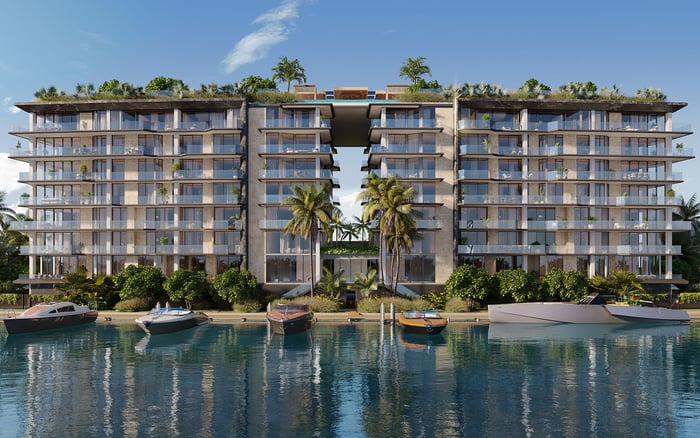
A Montreal-Bay Harbor Islands lifestyle calls for careful distinctions between seasonal ownership and permanent residence. Understand Florida homestead eligibility, the limits of Save Our Homes portability, and why deed choices deserve review before closing.
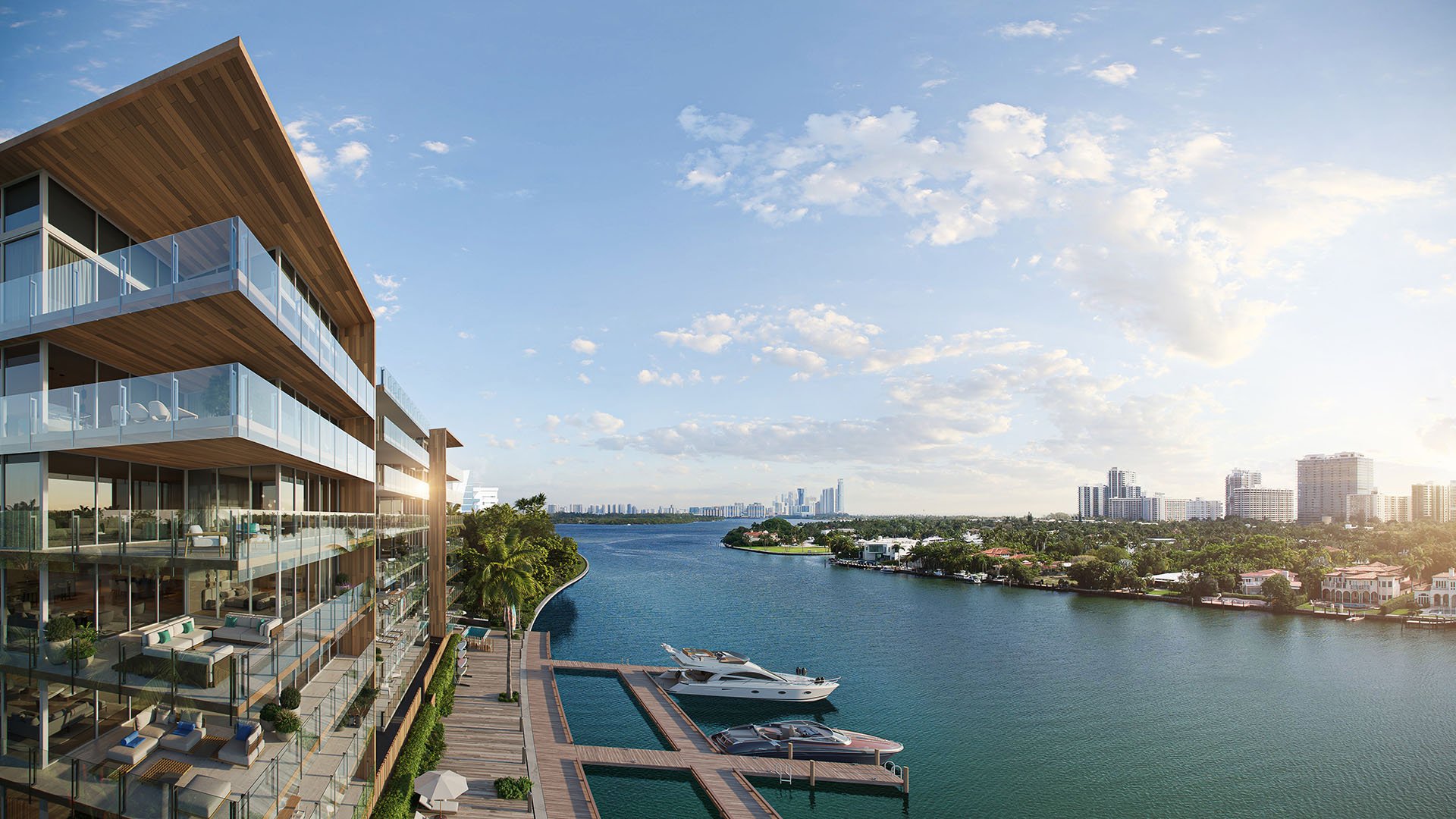
A life between Montreal and Bay Harbor Islands can be shaped around personal priorities: family, work, and the pleasure of returning to a home that feels entirely your own. The property-tax framework turns on a more precise question: is the Florida property a permanent residence or a seasonal address?
For a buyer considering Alana Bay Harbor Islands, that distinction belongs alongside the purchase budget and ownership plan. Acquiring a residence does not, by itself, establish Florida permanent residency. Neither does spending part of the year there. Homestead eligibility requires ownership and use of the property as the owner's permanent residence, or a dependent's permanent residence, as of January 1 of the relevant tax year.
The planning principle is simple: select the home for the life you intend to lead, then evaluate the benefits your actual circumstances support. A tax assumption should not substitute for a residency decision.
Bay Harbor Islands homestead applications are handled by the Miami-Dade County Property Appraiser. The standard filing deadline is March 1, but the permanent-residence requirement applies on January 1. The dates serve different purposes: January 1 establishes the eligibility point; March 1 governs the filing calendar.
For a Montreal household, a winter arrival, a recorded deed, and an intention to spend more time in Florida are not interchangeable with qualifying permanent residence. Recording ownership does not substitute for demonstrating the residency status required for homestead.
Residency documentation may include Florida identification, voter and vehicle registrations, a declaration of domicile, and address information. The property appraiser evaluates that evidence. Treat these documents as part of a factual review, not a checklist that guarantees approval. Discuss which documentation applies to your circumstances rather than assuming every listed item is appropriate.
A buyer weighing Bay Harbor Towers should coordinate the closing timetable with the intended occupancy and filing year. If the purchase remains a seasonal arrangement, the financial plan should not presume a homestead benefit simply because the residence is owned outright or frequently enjoyed.
Homestead exemption, the Save Our Homes assessment limitation, and portability are related, but they are distinct benefits.
The homestead exemption concerns the qualifying residence and requires its own eligibility determination. Florida's homestead exemption cannot be transferred from an old home to a new one. A buyer establishing a new homestead must apply for that property's exemption rather than treat the former exemption as an asset that follows the deed.
Save Our Homes limits increases in a qualifying homestead's assessed value. It does not cap the home's purchase price or market value, nor does it guarantee that every component of the property-tax bill will remain unchanged. That distinction matters when estimating carrying costs for a substantial acquisition.
Portability is the potential transfer of all or part of an accumulated Save Our Homes assessment difference to a new Florida homestead. It carries an assessment benefit, not the former property's exact tax bill. Keeping these concepts separate makes conversations with counsel and the property appraiser more productive.
The transferable assessment benefit must originate in a qualifying former Florida homestead. Moving from Quebec to Bay Harbor Islands does not, on its own, create portability. A Montreal property is not the qualifying Florida homestead from which that assessment difference can be transferred.
A different analysis applies to a household that already has a qualifying Florida homestead and is considering a move to Bay Harbor Islands. Portability can apply between Florida counties, including a move into Miami-Dade County, when the eligibility requirements are satisfied. The decisive distinction is the former Florida homestead, not simply a change of address.
Whether the search includes La Maré Bay Harbor Islands or a residence in Miami Beach, the same planning question comes first: is there an eligible Florida assessment difference to transfer? If not, portability should not be assumed as a reduction in the acquisition budget.
The portability window is measured within three years of January 1 of the year the former homestead was abandoned-not three years after the property's sale. For owners whose departure and sale occur at different times, that distinction warrants attention before selecting the new benefit year.
Portability requires Form DR-501T, the Transfer of Homestead Assessment Difference application, alongside the new homestead application. The standard deadline for both is March 1 of the year for which benefits are requested.
The transfer is not automatic. It must be requested separately, even when an online homestead application process is used. A completed purchase and a new homestead application do not confirm that portability has also been requested. Keep the two applications distinct in the transaction calendar and confirm their treatment with the property appraiser.
A deed answers an ownership question; it does not independently resolve permanent-residence eligibility. For a cross-border household, the prudent approach is to review the proposed ownership arrangement before closing rather than assume a preferred structure will accommodate every objective.
Individual ownership, joint ownership, a trust, or an entity may be subjects for discussion with Florida counsel. No structure should be presented as universally eligible for homestead without review of the specific circumstances. Trust qualification, LLC treatment, and spousal survivorship require advice tailored to the proposed deed and household.
When evaluating The Well Bay Harbor Islands, ask counsel to review the proposed ownership alongside the intended residential use, then confirm application requirements with the Miami-Dade County Property Appraiser. Cross-border tax questions belong in a separate professional review; Florida homestead eligibility is not an answer to Canadian tax questions.
After a qualifying ownership change, a property is generally reassessed at just value before applicable homestead and portability benefits are applied. The seller's tax bill is therefore not a reliable promise of the buyer's future bill.
Build the purchase analysis around your own eligibility, intended benefit year, and any qualifying Florida assessment difference. Separate benefits supported by your circumstances from those still awaiting review. This makes the carrying-cost discussion clearer without assuming that Save Our Homes freezes the entire bill.
A well-planned two-city life begins with clarity: what the Florida home will be, who will own it, and which applications the facts support. The most useful work happens before closing, while those decisions can still be considered together.
Explore Bay Harbor Islands residences with MILLION to align your property search with the life you intend to build.
If branded residences are on your mind — as a home or as an allocation — we would be glad to share what we are seeing, privately.
Begin a quiet conversationNo. Ownership and seasonal occupancy alone do not establish permanent residency; the property must qualify as the owner's or a dependent's permanent residence as of January 1.
Applications are handled by the Miami-Dade County Property Appraiser, because the property is located in Miami-Dade County.
Permanent-residence eligibility must exist on January 1 of the relevant tax year. The standard application deadline is March 1.
The property appraiser may evaluate Florida identification, voter and vehicle registrations, a declaration of domicile, and address information. Recording a deed does not substitute for demonstrating permanent residence.
No. Portability must originate in an accumulated Save Our Homes assessment difference from a qualifying former Florida homestead.
No. An eligible owner may instead transfer all or part of a qualifying Save Our Homes assessment difference and apply for homestead on the new property.
Yes, when eligibility requirements are met. A qualifying transfer can include a move from another Florida county into Miami-Dade County.
No. The window is measured within three years of January 1 of the year the former homestead was abandoned, not three years after its sale.
Form DR-501T must be filed alongside the new homestead application, with a standard March 1 deadline. Portability must be requested separately and is not automatic.
No. A qualifying ownership change generally triggers reassessment at just value, and proposed deed arrangements deserve review with Florida counsel and the property appraiser rather than assumptions about eligibility.