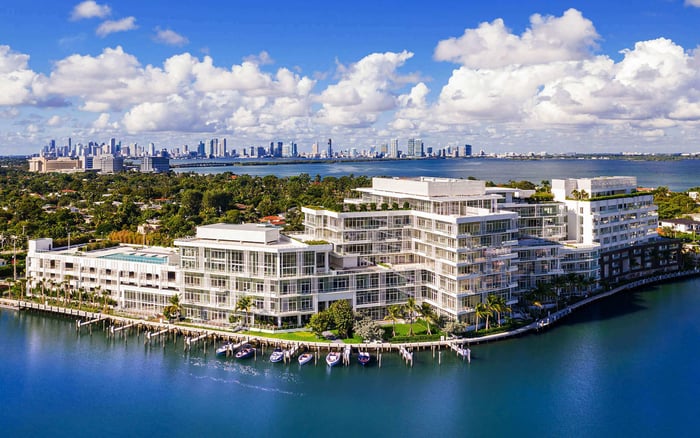
Brickell favors an urban routine built around offices, dining and transit, while Miami Beach puts ocean recreation within closer reach. The right choice turns on the specific residence, its access and the ownership obligations behind the address.
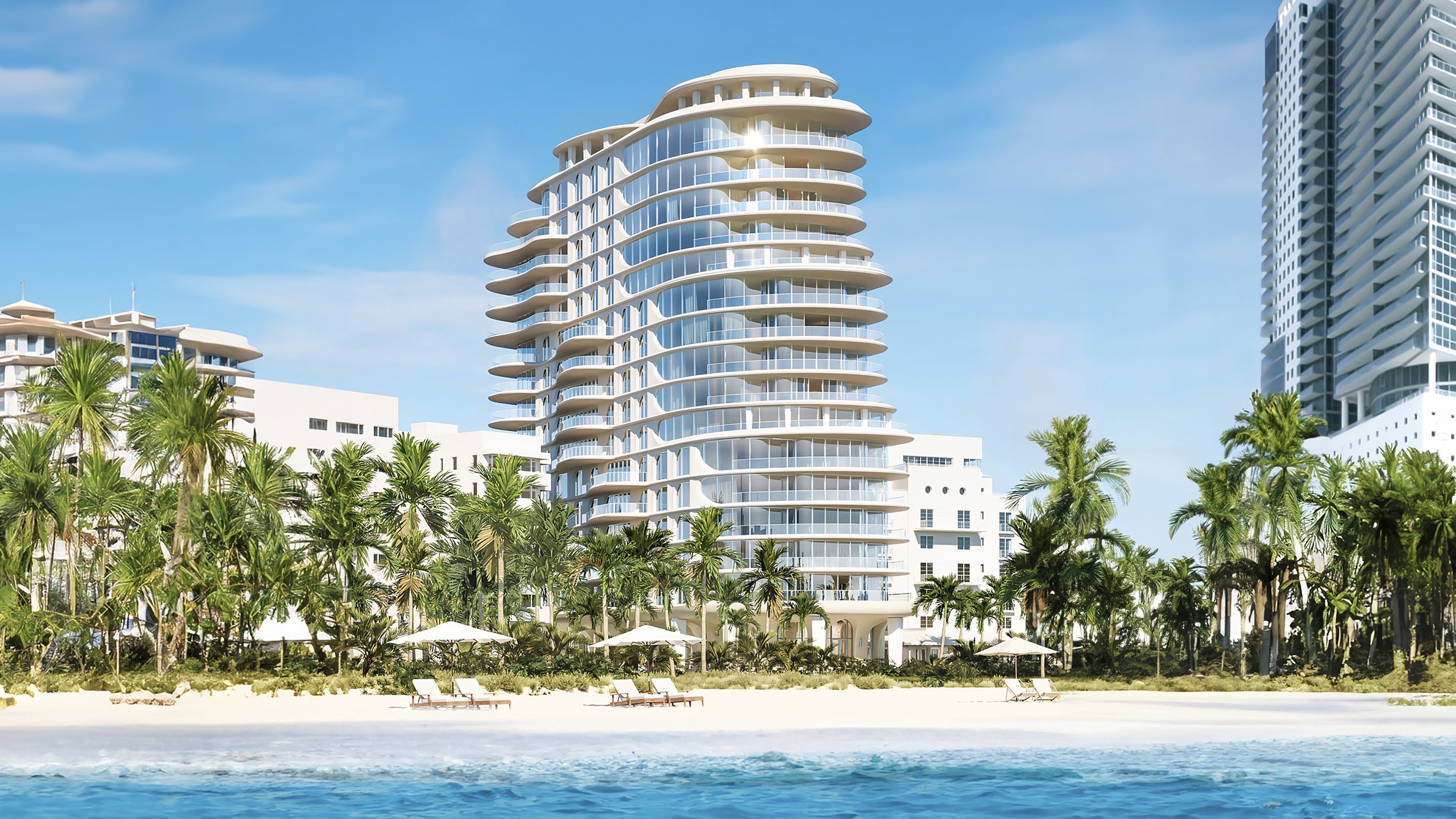
The choice between Brickell and Miami Beach is less about prestige than which address makes everyday life feel effortless. One concentrates offices, restaurants, shopping and residences in an urban core. The other makes the ocean and outdoor recreation central to its appeal. Both can deliver a compelling luxury home, but they organize the day differently.
For a buyer moving frequently between meetings, dinner reservations and Downtown, Brickell has a practical advantage. For someone who wants the beach to be a regular ritual rather than a planned outing, Miami Beach is the stronger starting point. Neither neighborhood label, however, guarantees a particular experience. Building location, housing type and actual access deserve as much attention as the address itself.
Brickell’s appeal begins with concentration. Brickell City Centre, Mary Brickell Village, restaurants, hotels, offices and residential towers bring daily destinations within a walkable area. Metrorail and the free Metromover add connections to Downtown Miami and the wider transit network.
That combination can support car-light living when work, shopping, dining and services are concentrated in the urban core. It is not a promise that every resident can dispense with a car. Buyers should map their recurring destinations and walk the routes from the specific building they are considering.
For buyers considering The Residences at 1428 Brickell, the neighborhood question is straightforward: does this location put the places you use most within comfortable reach? Evaluate the address against an ordinary weekday, not just a weekend viewing.
Brickell’s mainland position is especially relevant for those who frequent the business district. Its value lies not simply in proximity on a map, but in the possibility of organizing more of the working week around a concentrated urban setting.
Brickell’s luxury housing is predominantly high-rise condominiums, making the building itself a significant part of the purchase. Pools, fitness facilities, lounges, coworking areas and concierge services commonly feature in full-service towers, although the offering varies by property.
Distinguish amenities you will use from those that merely photograph well. Consider how shared facilities, service arrangements and condominium fees fit your habits. A buyer who works from home may assess the building differently from someone who spends most weekdays in an office.
When reviewing Cipriani Residences Brickell, apply the same discipline: verify the residence’s specifications, services and ownership obligations rather than assuming a neighborhood-wide description applies to a particular property.
For buyers who prefer a standalone home, private garden or their own pool, Miami Beach offers a broader set of housing types to consider.
Miami Beach is the more natural fit when swimming, beach walks and outdoor recreation are priorities. Yet the distinction between living on the island and living directly on the ocean is fundamental. A Miami Beach address does not, by itself, establish direct beach access.
South Beach, Mid-Beach and North Beach are distinct submarkets, with different combinations of nightlife, resort hotels, residential streets, historic architecture and beach access. Tour them as separate choices rather than treating Miami Beach as one continuous residential experience. Visit the immediate surroundings at the times you expect to be home.
A buyer considering The Perigon Miami Beach should evaluate the route between residence and shoreline alongside the residence itself. Confirm the access arrangement rather than relying on a view or an area description.
Miami Beach also offers condominiums, Art Deco properties, single-family homes, villas and waterfront residences. That breadth matters when the desired lifestyle includes private outdoor space or a home outside a tower.
Brickell’s waterfront is bayfront, not oceanfront. Biscayne Bay promenades and waterfront recreation offer a connection to the water, but they do not provide direct access to an Atlantic beach. A compelling water view cannot resolve that distinction for someone whose priority is stepping onto sand.
Likewise, oceanfront and walking distance to the beach are not interchangeable. One describes a property’s relationship to the ocean frontage; the other describes a journey. Buyers should establish the actual route, access points and any intervening streets before deciding whether either arrangement satisfies their needs.
When comparing Five Park Miami Beach with other residences, keep views, frontage and beach access as separate questions. An attractive outlook should not stand in for the daily experience you intend to buy.
The right compromise is personal. Bayfront living can suit an urban routine beautifully, while a beach-oriented buyer may place far greater value on the simplicity of reaching the shoreline.
For Miami Beach residents who regularly travel to the mainland, causeway access is part of the ownership decision. Traffic and event congestion deserve consideration, particularly when work or other recurring commitments lie across the water.
Rather than relying on a single quoted commute, test the journeys that would shape your week. Consider the office, regular appointments and the destinations you return to most often. Brickell’s mainland location and rail connections may be more useful to a frequent Downtown visitor, while a buyer whose activities center on the beach may accept the crossing more readily.
Neither choice removes the need to evaluate movement at the building level. The practical question is which location creates fewer compromises in the routine you expect to maintain.
Miami Beach’s barrier-island setting makes flood exposure, storms, insurance and building resilience important purchase considerations. Brickell is not exempt from waterfront ownership risks. In both locations, diligence should focus on the particular property rather than assumptions about which neighborhood is safer or simpler to own.
For older and waterfront condominiums, review structural inspections, reserves, insurance, assessments, elevation and storm-hardening work. Building age, condition, amenities and fees can matter as much as the neighborhood label. Resolve these ownership questions before an appealing lifestyle becomes a commitment.
The final choice is clear in principle: favor Brickell when urban access is the priority, and Miami Beach when an ocean-oriented routine matters more. Then let the specific residence prove it can deliver that promise.
Explore residences aligned with your preferred South Florida lifestyle at MILLION.
If branded residences are on your mind — as a home or as an allocation — we would be glad to share what we are seeing, privately.
Begin a quiet conversationBrickell generally better supports a routine centered on offices, dining, shopping and transit in the urban core. The fit depends on where your regular destinations are located.
No. Brickell’s waterfront faces Biscayne Bay, and its promenades and waterfront recreation do not provide direct Atlantic beach access.
No. An island address, an ocean view and direct beach access describe different experiences, so confirm the specific property’s access arrangement.
Brickell can support car-light living when work, shopping, dining and services are concentrated nearby. Metrorail and the free Metromover provide additional connections.
Brickell’s luxury housing is predominantly high-rise condominiums. Shared amenities and building services are often important parts of the residential experience.
Yes. Its broader housing mix includes single-family homes and villas, giving buyers more options for private gardens, pools and living outside a condominium tower.
No. They offer different combinations of nightlife, resort hotels, residential streets, historic architecture and beach access.
Causeway access, traffic and event congestion should inform the decision. Test the recurring journeys that would shape your own week.
Review structural inspections, reserves, insurance, assessments, elevation and storm-hardening work, particularly for older and waterfront properties. Also assess building condition, amenities and fees.
No. Buyers should evaluate flood and wind exposure, insurance, resilience measures and potential assessment obligations at the building level.