A collector’s guide to evaluating Miami condominiums for art, from stable climate and secure storage to delivery access, installation planning, and collection insurance.
A compelling wall is only the beginning of an art-ready home. For a collector buying a Miami condominium, the more consequential questions concern what happens behind that wall, inside the storage room, and along the route from loading dock to apartment. Climate stability, controlled access, delivery geometry, and insurance deserve attention well before installation day.
The distinction is between a residence that displays art beautifully and one that supports its care. Neither a prestigious address nor a private elevator answers every preservation question. Treat the collection as a distinct part of purchase due diligence, with requirements defined by the works themselves rather than the building’s presentation.
A general reference for many collections is approximately 68-72°F, or 20-22°C, with relative humidity around 45-55% and limited fluctuations. These figures are starting points, not universal specifications or guarantees. Photographs, paper, textiles, paintings, and mixed-media works should not automatically receive identical environmental treatment; photographs may require cooler, more controlled storage.
Stability matters as much as the target range. Repeated humidity changes can stress collection materials, so one comfortable afternoon in a residence reveals little about its suitability over time. Use independent temperature and humidity data loggers in both display and storage locations, then review historical readings rather than relying solely on the apartment thermostat.
For a Brickell purchase, including a residence under consideration at The Residences at 1428 Brickell, ask management what environmental information is available and have a conservator define the requirements of sensitive works. The objective is to establish what the particular apartment can maintain, not to assume collection-grade performance from its address.
Evaluate an art wall for exposure as well as proportion. Both ultraviolet and visible light can damage sensitive materials. Appropriate glazing, shading, and lighting controls can reduce exposure, but placement should begin with the artwork’s sensitivity rather than the most dramatic view.
When evaluating a Miami Beach residence such as The Perigon Miami Beach, assess proposed art locations against daylight conditions. Ask the design team to integrate collection care with furnishings, finishes, and lighting, rather than treating preservation as a correction after installation.
Water deserves equally deliberate attention. Keep valuable works away from overhead plumbing and other leak-prone locations, and elevate stored art and crates above the floor. A visually discreet storage space is not necessarily a prudent choice if its location exposes the collection to avoidable water risk.
A locked condominium locker is not automatically an art vault. Before storing valuable works, verify actual temperature and humidity performance, access control, monitoring, fire protection, and procedures governing inventory access. The question is not simply whether storage is included, but whether its conditions suit the intended contents.
For a Surfside search that includes Ocean House Surfside, request the same practical information you would seek anywhere else: who can enter, how access is managed, and what environmental controls serve the space. These are verification questions, not assumptions about a particular building’s facilities.
Separate the security review from the climate review. A room can be access-controlled without maintaining suitable humidity, just as a conditioned room may have inadequately defined access procedures. Both disciplines matter; neither substitutes for the other.
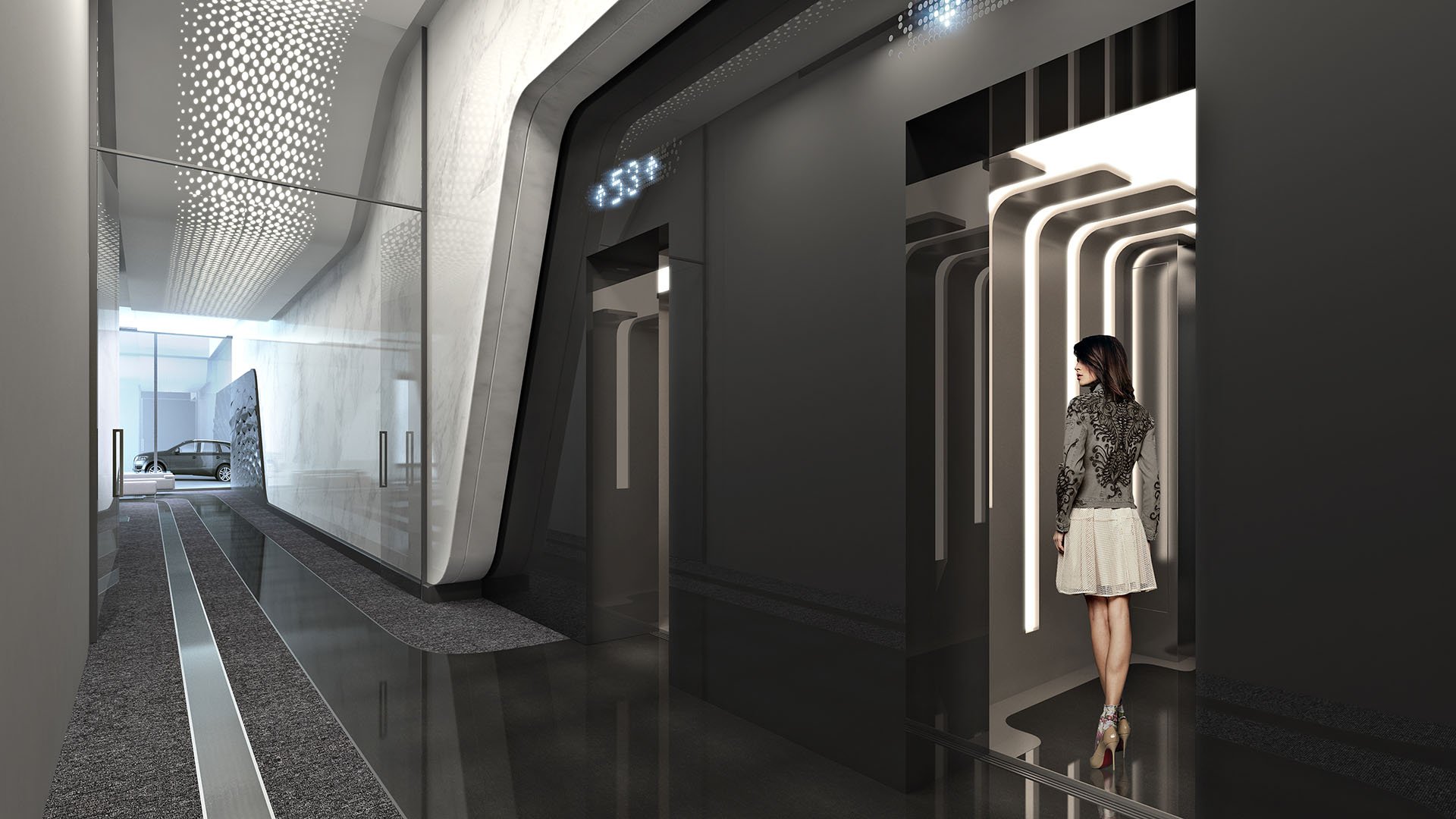
A private elevator does not guarantee that an oversized work will fit. The delivery route includes building entrances, elevator doors and cabins, vestibules, apartment doors, ceiling clearances, and interior turns. Stair turns, loading restrictions, wall construction, and site readiness may also determine whether delivery and installation can proceed.
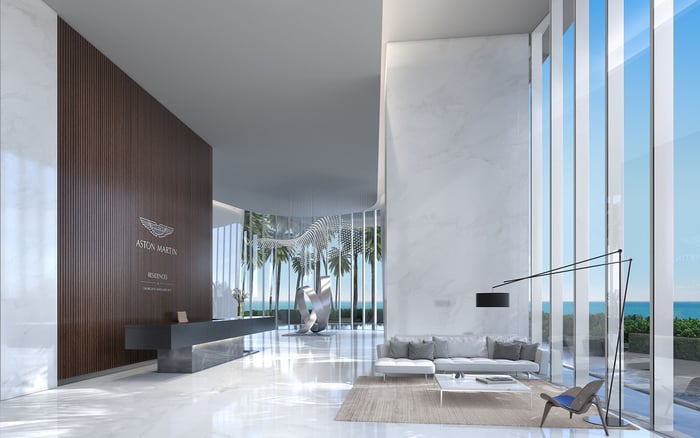
For buyers considering Aston Martin Residences Downtown Miami or another Downtown Miami address, include a route survey when planning for substantial works. Have the handling team assess the complete journey before booking transport, using the packaged work’s dimensions rather than its display dimensions alone.
Confirm freight-elevator and loading-zone reservations, truck-size limits, and evening or weekend delivery rules directly with management. Requirements vary by building. Vendor registration, a certificate of insurance, loading-dock instructions, and work-area protection may all require approval before the vehicle arrives.
A written installation plan should identify who books the elevator, provides insurance documentation, coordinates with the concierge, protects surfaces, secures drilling approvals, arranges any rigging, and confirms final placement. Clear responsibilities matter when the owner, designer, building staff, and handlers share a delivery window.
Specify the handling service rather than relying on the phrase white glove. Specialist services can include museum-grade wrapping, custom crating, dedicated climate-controlled transport, and trained handlers, but the contracted scope must confirm what is included.
Prepare shared spaces before moving the first piece, with appropriate protection for elevators, hallways, and door frames. Coordinate timing to minimize public staging in lobbies, loading docks, and corridors. The goal is a controlled transfer, with access and placement decisions settled before the collection reaches the building.
Do not substitute condominium association coverage for insurance on the owner’s collection. Before transit, confirm declared value, valuation method, deductibles, exclusions, required documentation, and whether transit and installation are covered. Establish the terms before the artwork leaves its current location, not after delivery has begun.
For Miami, ask the insurer explicitly about wind, flood, storm surge, water intrusion, mold, power interruption, evacuation, and temporary relocation. These are coverage questions, not assurances that the risks are included. Building-required insurance documentation for a vendor does not replace a review of protection for the artwork itself.
Renovations create a distinct period of risk. Dust, vibration, fumes, changing humidity, and contractor access can justify keeping valuable works off-site until the residence is ready. Align the collection’s arrival with actual site readiness rather than a preferred move-in date.
When considering off-site storage, request temperature and humidity targets and confirm backup power for hurricane season. At home, verify emergency-power allocation directly with management rather than assuming every environmental system will remain supplied.
The most convincing art-ready residence is one whose conditions, access, and responsibilities have been examined in advance. Beautiful display should be the visible result of that preparation.
Explore South Florida residences with your collection’s requirements in mind at MILLION.
If branded residences are on your mind — as a home or as an allocation — we would be glad to share what we are seeing, privately.
Begin a quiet conversationA general reference for many collections is 68–72°F and 45–55% relative humidity, with limited fluctuations. A conservator should establish requirements for sensitive materials.
Use independent temperature and humidity data loggers in display and storage areas. Historical readings provide a clearer picture of stability than a single thermostat reading.
Do not assume they have identical needs. Photographs may require cooler, more controlled storage, and material-specific guidance should inform the plan.
A lock alone does not establish suitability. Verify environmental performance, access control, monitoring, fire protection, and inventory-access procedures.
No. The work must clear the entire delivery route, including entrances, elevator doors and cabins, vestibules, apartment doors, and interior turns.
Confirm elevator and loading reservations, delivery hours, truck restrictions, and vendor requirements. Registration, insurance documentation, and protective measures may also require approval.
Assign responsibility for elevator booking, insurance documentation, concierge coordination, surface protection, drilling approvals, rigging, and final placement.
Do not rely on association coverage for an owner’s artwork. Arrange appropriate collection protection and confirm transit and installation terms before moving the works.
Ask explicitly about wind, flood, storm surge, water intrusion, mold, power interruption, evacuation, and temporary relocation. Do not assume these risks are covered.
Renovations involving dust, vibration, fumes, changing humidity, or contractor access can justify off-site storage until the residence is ready. Verify the facility’s environmental targets and backup power.