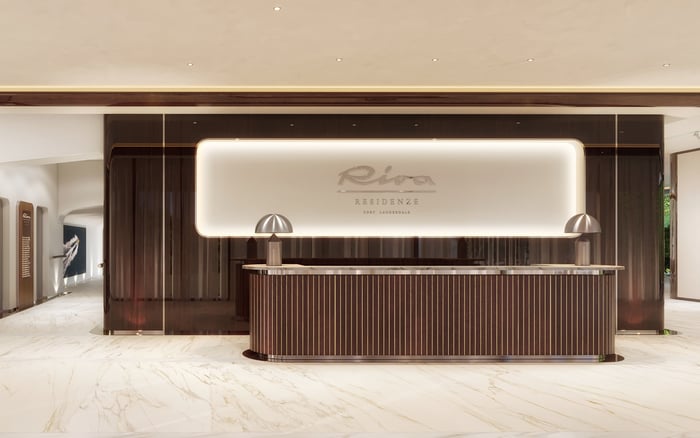
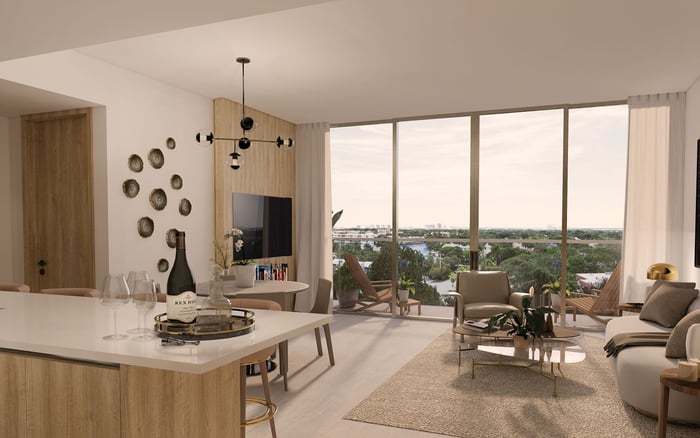
Sixth & Rio offers a place-led, boutique riverfront proposition. Buyers should test its premium through comparable pricing, privacy, construction specifications, waterfront utility, carrying costs and likely resale demand.
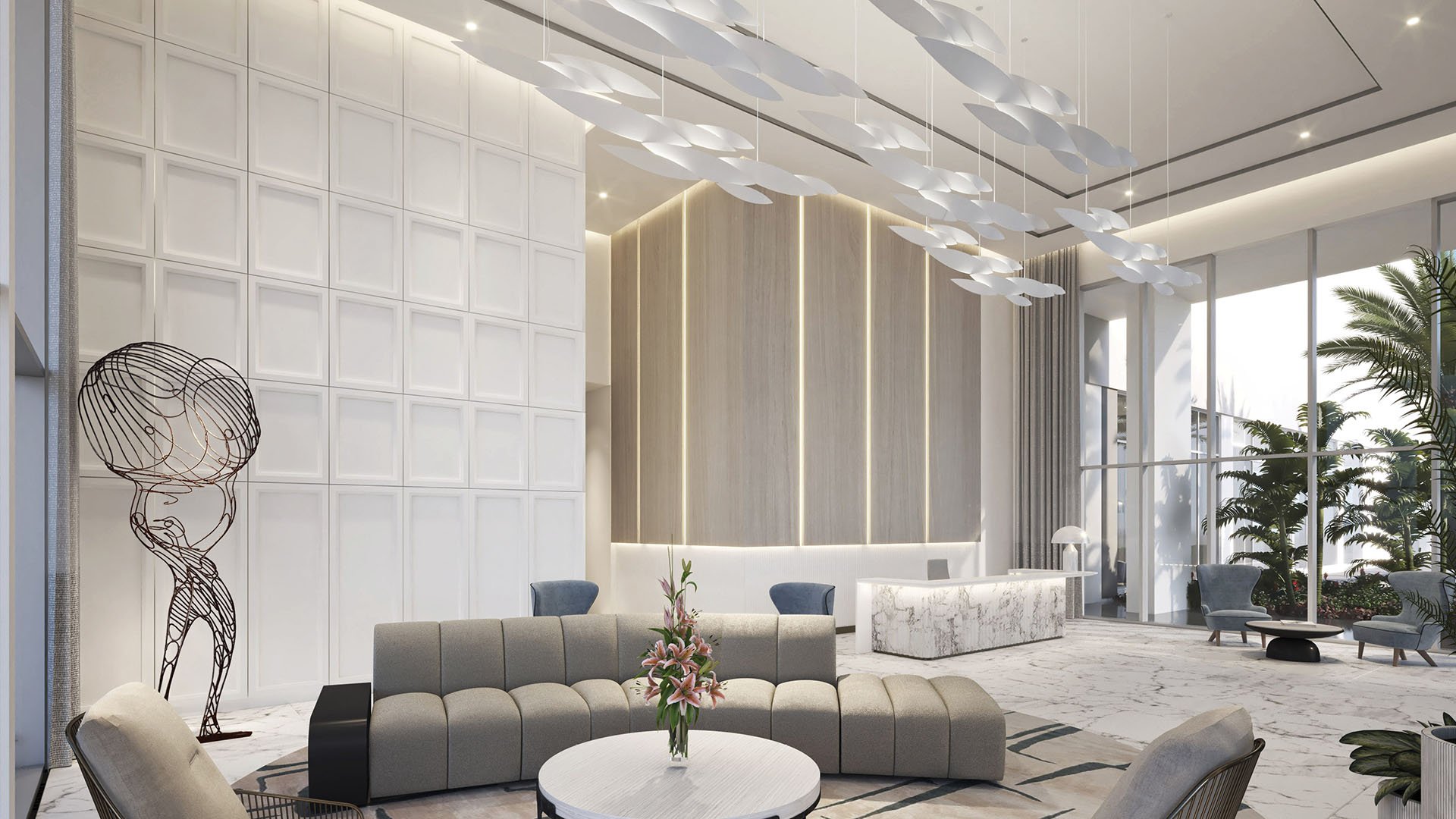
Sixth & Rio Fort Lauderdale is positioned as a boutique riverside condominium rather than a large, resort-style tower. Its proposition centers on local identity, contemporary design, residential scale and proximity to downtown Fort Lauderdale and Las Olas-not the halo of a global hotel flag.
That distinction can be compelling. Intimacy, privacy and a recognizable sense of place may matter more to an owner than an extensive amenity program. Yet a name, whether local or international, creates value only when the underlying residence supports it. The central question is not whether the branding feels polished, but whether the premium survives scrutiny.
Begin with a pricing and trends exercise built around true alternatives. Compare the asking price per square foot with nearby new construction, resale inventory and waterfront condominiums. Adjust for floor plan, exposure, view quality, parking, finish package and likely carrying costs rather than relying on a broad neighborhood average.
The comparison set should include different expressions of Fort Lauderdale luxury. Buyers might examine Four Seasons Hotel & Private Residences Fort Lauderdale when considering the value of a globally recognized hospitality identity, then assess Sixth & Rio through the opposite lens: a place-based name whose premium must derive from the site, residence and ownership experience.
Ask the sales team to identify the specific attributes embedded in the asking price. If the explanation rests mainly on branding language, the buyer still lacks a valuation case. Permanent features-location, protected outlooks, floor-plan efficiency and construction quality-deserve more weight than presentation elements a future purchaser may discount.
Boutique should describe daily life, not simply a marketing category. Verify the residence count, the number of homes sharing each elevator, hallway configuration, arrival sequence and capacity of every common amenity. A smaller building can offer discretion, but it may also distribute staffing, maintenance and reserve obligations among fewer owners.
Privacy requires equally practical questions. Determine whether elevator traffic converges at peak times, whether service movements intersect resident routes and how neighboring terraces or windows affect sightlines. Compare the experience with other local choices, including St. Regis® Residences Bahia Mar Fort Lauderdale, without assuming that either scale or a recognized name automatically delivers superior privacy.
The riverfront setting is central to Sixth & Rio's identity and potential price premium. Buyers should therefore translate waterfront appeal into usable rights and durable views. Review view protections, dock access, vessel limitations, bridge clearances and navigation conditions. A water outlook and practical boating utility are distinct benefits and should be valued separately.
Walk the property and intended neighborhood routes at the times they would actually be used. Proximity to Las Olas, downtown services, dining and daily necessities is meaningful only if the routes suit the owner's habits. A map can suggest convenience, but it cannot reveal the lived quality of each journey.
The waterfront comparison should also determine whether the purchaser prefers river adjacency or an ocean-oriented setting. Auberge Beach Residences & Spa Fort Lauderdale can sit within that broader decision set, helping clarify whether the buyer is paying for a particular water experience or simply the idea of being near water.
Contemporary design has financial value when supported by enforceable specifications. Review the contractual standards for windows, waterproofing, mechanical systems, appliances and interior finishes. Confirm what is included, what may be substituted and which representations appear only in renderings or sales language.
This review should extend beyond visible surfaces. Windows, drainage, waterproofing and mechanical infrastructure may carry greater long-term significance than decorative selections. Engage appropriate legal, engineering and insurance professionals to evaluate the documents and physical assumptions independently.
For another Fort Lauderdale reference point, The Ritz-Carlton Residences® Fort Lauderdale may help a buyer distinguish between paying for formal brand recognition and paying for the permanent attributes of a locally identified building.
The purchase price is only the opening number. Model association dues, insurance, reserves, parking, amenity operations and the possibility of future assessments. Then stress-test those obligations under less favorable assumptions rather than treating the initial estimate as fixed.
Riverfront ownership also warrants an independent review of flood exposure, elevation, drainage, backup power, storm resilience and insurance availability. These issues can affect comfort, financing, carrying costs and eventual marketability. They should be investigated before a buyer assigns a premium to the setting.
Finally, test resale against comparable boutique buildings. A future buyer may admire the name, but durable exit liquidity is more likely to depend on location, views, floor plan, construction and credible ownership costs. The most defensible premium is one another informed purchaser can independently reconstruct.
What is the core appeal of Sixth & Rio? It is positioned around riverfront living, local identity, contemporary design and a more intimate residential scale.
Does Sixth & Rio carry a global hotel brand? Its proposition is place-based rather than centered on a global hotel flag.
How should buyers test the asking price? Compare price per square foot with relevant new-construction, resale and waterfront condominiums, then adjust for residence-specific attributes.
What makes a boutique building genuinely private? Residence count, elevator sharing, hallway planning, sightlines and amenity capacity shape the actual privacy experience.
Which construction details deserve attention? Buyers should verify contractual specifications for windows, waterproofing, mechanical systems, appliances and interior finishes.
How should the riverfront premium be evaluated? Examine view protections, dock access, vessel limitations, bridge clearances and navigation conditions rather than valuing the setting abstractly.
Is proximity to Las Olas enough to establish walkability? No. Buyers should walk their actual routes to dining, services and daily necessities at relevant times.
Which ownership costs belong in the model? Include association dues, insurance, reserves, parking, amenity operations and potential future assessments.
What resilience questions should buyers ask? Review flood exposure, elevation, drainage, backup power, storm resilience and insurance availability with qualified advisers.
Will the project name guarantee resale demand? No. Resale should be tested against comparable boutique properties and grounded in permanent, transferable attributes.
To compare the best-fit options with clarity, connect with MILLION.
If branded residences are on your mind — as a home or as an allocation — we would be glad to share what we are seeing, privately.
Begin a quiet conversation