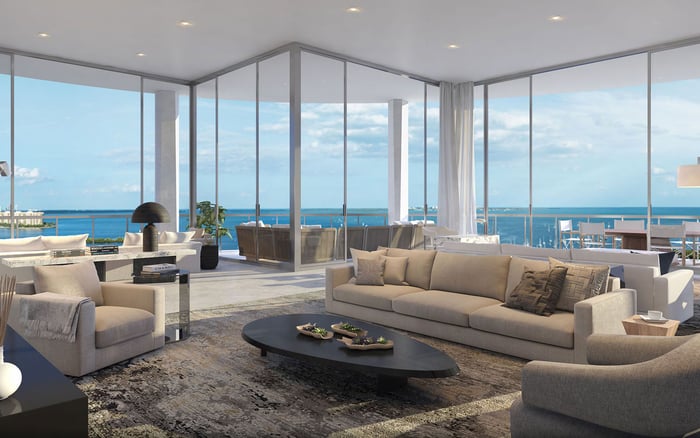
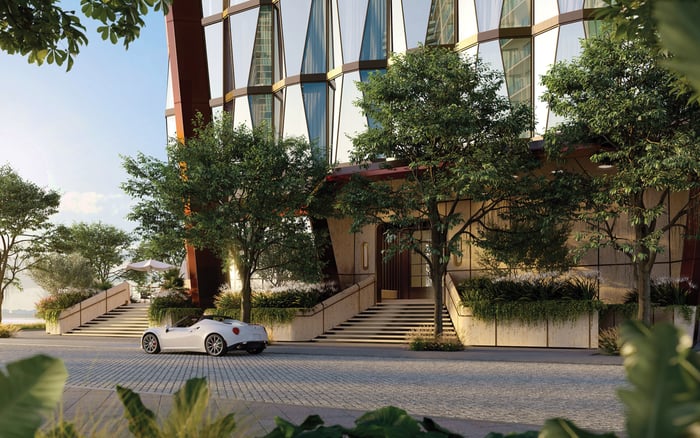
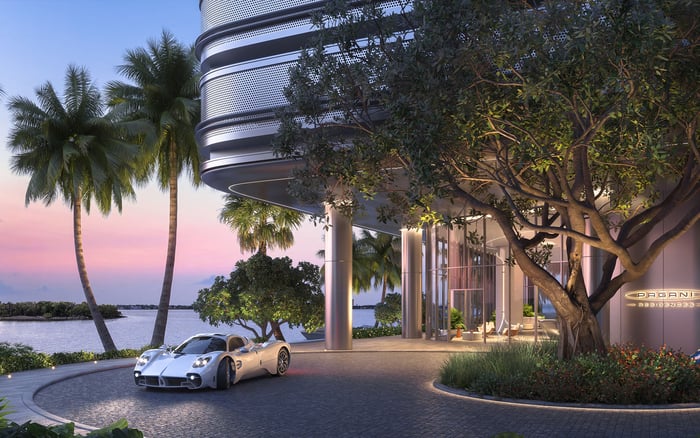
For Boston buyers considering Coconut Grove, the strongest home search begins with usable outdoor space, not simply warmer weather. Shade, rain protection, waterfront access and property-specific resilience deserve equal attention.
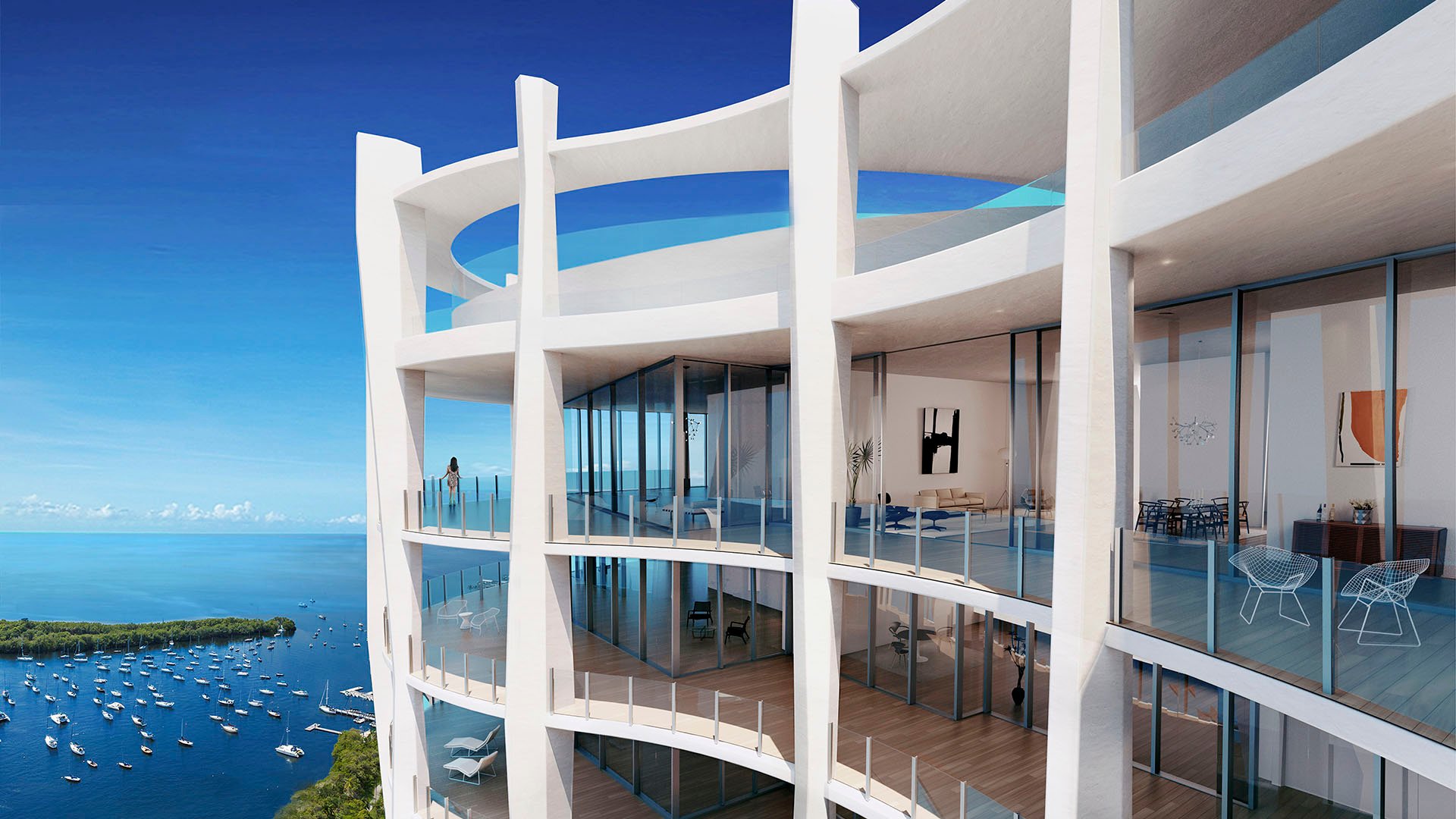
For a Boston buyer considering Coconut Grove, the most useful question is not how much warmer life might feel, but how often a home will make stepping outside effortless. Breakfast outdoors, an evening walk and time on Biscayne Bay are different ambitions. Each calls for a different relationship between residence, neighborhood and weather.
Coconut Grove offers year-round outdoor access, not guaranteed year-round comfort. Its tropical climate brings heat, humidity and frequent rain. The distinction matters: a beautiful terrace that becomes uncomfortable at your preferred hour may contribute less to daily life than a smaller, well-protected outdoor room.
Begin with a personal brief. Identify when you expect to be outside, whether you prefer active recreation or quiet privacy, and how much maintenance you want to manage. Let those answers shape the shortlist before architecture or a dramatic view becomes decisive.
A move from Boston should not be reduced to an escape from winter. Heat belongs in the comparison, too. Boston’s heat-planning baseline is approximately 10 days above 90°F annually, with approximately 30 such days projected annually by 2030. These figures represent a baseline and a projection, not current observed conditions.
For a Coconut Grove purchase, translate climate into design questions. Where will you sit when direct sun reaches the terrace? Can you remain outside through a passing shower? Is the transition between interior and exterior comfortable, or does outdoor living require rearranging furniture and opening several doors?
Whenever possible, tour at the hours you expect to use the space. A morning viewing cannot establish afternoon comfort. Examine sun exposure, covered areas and weather protection rather than treating one pleasant visit as evidence of year-round usability. The objective is not an outdoor space that photographs well, but one you will choose repeatedly.
Assess outdoor space as you would an interior room. Consider usable depth, furniture placement, privacy and its relationship to the kitchen and living area. Look for genuine overhead protection rather than assuming any balcony offers meaningful shelter from rain.
When reviewing Four Seasons Residences Coconut Grove, make those questions specific to the residence under consideration. Request plans and clarify the extent of private outdoor space, its exposure and any restrictions on furnishings or shading. A project name is no substitute for understanding the particular home.
Evaluate shade alongside drainage and storm preparation. Ask how water leaves the terrace, who maintains the relevant components and what must be secured when severe weather threatens. For a condominium, clarify the boundary between owner and association responsibilities. For a house, establish who will inspect and maintain exterior systems when you are away.
These are practical expressions of luxury: less improvisation, fewer interruptions and a home that supports the way you intend to live.
Private outdoor space is only part of the equation. Coconut Grove’s Biscayne Bay setting supports sailing, boating, water sports and regattas. For buyers who want activity rather than simply a view, access arrangements deserve as much attention as the outlook from the living room.
On land, Peacock Park offers 9 acres of green space, including soccer fields, a basketball court and a multipurpose recreation field. The Barnacle Historic State Park adds historic grounds, picnic space and a waterfront setting. These offer distinct ways to spend time outdoors, not interchangeable amenities.
If Arbor Coconut Grove enters your search, test the surrounding routes against your routine rather than assuming neighborhood appeal translates into daily convenience. Walk the route you expect to use, consider shade and crossings, and decide whether you would still enjoy it in humid or rainy conditions.
Imagine an ordinary weekday rather than a holiday weekend. The best location makes your preferred activity easy enough to repeat.
Waterfront living deserves its own due-diligence process. A water view, access to boating and the right to keep a particular vessel are separate questions. Before assigning value to a dock or boating arrangement, verify permissions, boat access, seawall condition and related maintenance obligations.
If comparing a waterfront house with a residence at Park Grove Coconut Grove, distinguish what is private, what is shared and what requires a separate arrangement. Do not infer dock rights or boating access from an address, marketing imagery or proximity to Biscayne Bay.
For any property promoted around outdoor living, request the documents that support the intended use. Apply the same discipline to gardens, terraces and shared exterior spaces: understand access, rules and responsibilities before making them central to your decision.
Evaluate flood exposure by address, not neighborhood reputation. Property-specific flood-zone maps are available; review the applicable designation alongside insurance quotations and relevant property documentation.
Flood insurance is required for a federally backed mortgage on a property in a Special Flood Hazard Area. It is not federally required in moderate- or low-risk areas, although coverage remains recommended for owners and renters there. A designation outside a high-risk zone should not end the insurance discussion.
Discounts also require precision. The City of Miami’s Class 6 rating provides a 20% discount for qualifying policyholders in flood zones. The 35% discount associated with unincorporated Miami-Dade’s Class 3 rating should not automatically be applied to a Coconut Grove address. Confirm jurisdiction and policy eligibility with the insurer.
Beyond flood coverage, review roof condition, drainage, storm protection and resilience against wind and heat. Request available claims information and clarify any history of repeated flooding. Obtain property-specific estimates for taxes, insurance, utilities and maintenance before concluding that either destination offers lower ownership costs.
Return to your original brief for the final comparison. Which residence offers comfortable shelter at the hours you value? Which location supports the recreation you will actually pursue? Which ownership arrangement leaves you comfortable with maintenance, insurance and storm preparation?
For a Boston buyer, the strongest Coconut Grove choice is not necessarily the largest terrace or most expansive view. It is the home where outdoor time feels integrated into ordinary life, with clear responsibilities and realistic expectations about the climate.
Explore your Coconut Grove home search with MILLION.
If branded residences are on your mind — as a home or as an allocation — we would be glad to share what we are seeing, privately.
Begin a quiet conversationIt offers year-round outdoor access, but heat, humidity, frequent rain and storms affect comfort. Shade and covered space should be central to the home search.
Evaluate overhead shelter, sun exposure, usable furniture space, drainage and privacy. Check comfort at the times you expect to use it.
Boston’s planning baseline includes approximately 10 days above 90°F annually, with approximately 30 projected by 2030. These are planning figures, not current observations.
Biscayne Bay supports sailing, boating, water sports and regattas. Verify the specific access arrangements needed for your preferred activity.
Peacock Park has 9 acres of green space, including soccer fields, a basketball court and a multipurpose recreation field.
The park offers historic grounds, picnic space and a waterfront setting. Consider how it fits your routine alongside private outdoor space.
It is required for a federally backed mortgage on a property in a Special Flood Hazard Area. Coverage remains recommended in moderate- and low-risk areas even when not federally required.
No. That discount applies to qualifying policies in unincorporated Miami-Dade; confirm the property's jurisdiction and policy eligibility rather than assuming it applies.
Verify dock permissions, seawall condition, boat access and maintenance obligations. Treat a water view and legal boating access as separate considerations.
No general conclusion is supported without a property-specific comparison. Review taxes, insurance, utilities and maintenance for each home.