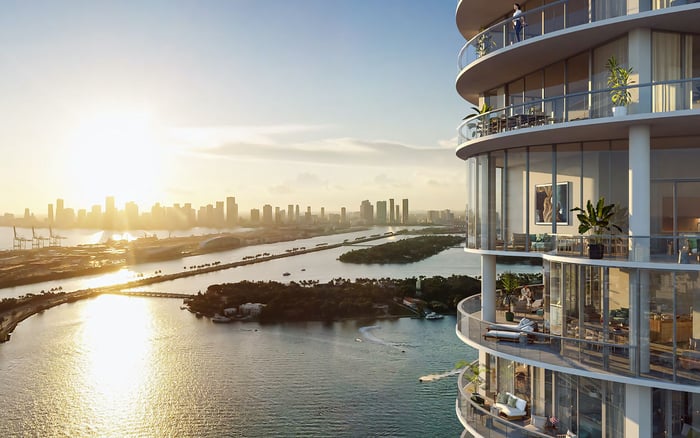
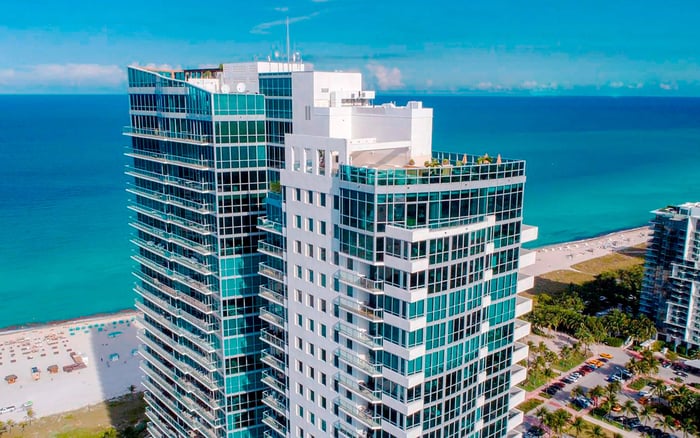
A document-first comparison of two distinct residential hospitality models, focused on the practical questions that shape private entertaining and ownership.

At the upper end of Miami Beach real estate, evaluating entertaining options requires more than reviewing a dining-room rendering. Buyers need to know who controls each space, what services are available, which rules govern guests and vendors, and how related expenses are allocated.
A comparison of Faena House Miami Beach and The Ritz-Carlton Residences® Miami Beach should therefore begin with current documents rather than assumptions based on branding or presentation. The useful question is how each property’s governing materials and operating policies address private dining, guest management, reservations, staffing, and recurring or usage-based costs.
Hospitality language can create expectations about service, access, and convenience, but those expectations require property-specific verification. Buyers should distinguish amenities controlled by the condominium from services involving another venue, operator, or third party.
For each residence, request a written explanation of the spaces available to owners, the party responsible for operating them, and the terms that apply to reservations. Any benefit involving a separate restaurant, hotel, club, or district venue should be evaluated according to its current written terms.
The same discipline is useful when considering other Miami Beach residences with hospitality positioning, such as Setai Residences Miami Beach and Shore Club Private Collections Miami Beach. Similar marketing language does not replace a review of each property’s documents and procedures.
Begin by asking management to identify every space that residents may reserve for a private meal or gathering. Then request the current policy covering capacity, hours, booking windows, cancellation terms, cleaning, staffing, catering, beverages, minimum spending requirements, vendor insurance, and management approval.
Buyers who expect chef, server, bartender, or sommelier support should determine who arranges those services and how they are billed. They should also confirm whether outside professionals are permitted, what kitchen access is available, and whether deliveries or setup must follow designated routes and times.
A sample event request can make the review more practical. Provide a proposed guest count, preferred date and space, staffing needs, arrival plan, and service expectations, then ask management to describe the required process and cost categories in writing.
A stated association fee does not by itself explain the full cost of entertaining or the services available to an owner. A careful review should include the current condominium budget, reserve information, recent financial materials made available in the transaction, and information concerning any approved or contemplated assessments that is provided for review.
Buyers should separate costs funded through common charges from expenses billed when a service or amenity is used. Potential event-related categories may include space rental, labor, security, valet, cleaning, food and beverage, equipment, or outside vendors, but the applicable documents must establish what actually applies at each property.
The goal is not simply to compare two monthly figures. It is to understand what each payment covers, which costs vary with use, and whether any desired experience depends on a separate operator or agreement.
Current house rules and reservation procedures can materially affect how an owner hosts. Relevant subjects may include guest registration, noise limits, event hours, terrace use, elevator access, loading, deliveries, parking, valet procedures, and outside-vendor requirements.
Request the current house rules, amenity policies, management materials available for buyer review, and any applicable food-and-beverage or staffing price lists. Ask who approves events, who supervises vendors, how competing reservation requests are handled, and whether management may revise a privilege or procedure.
Written answers are especially important when a proposed experience involves a venue or service beyond the condominium’s direct control. The review should identify eligibility, pricing, priority, reservation procedures, and whether terms may change.
Create a one-page operating summary for each property. Use consistent categories: reservable spaces, capacity, booking windows, service providers, guest limits, event charges, vendor rules, parking and arrival procedures, cancellation terms, and dependencies on other operators.
This approach keeps the analysis focused on the buyer’s intended use. Someone who hosts formal dinners may prioritize staffing, kitchen access, and setup procedures, while a buyer planning smaller gatherings may place more weight on guest registration, valet, or terrace rules.
Any conclusion should remain conditional on the current materials supplied for the transaction. Branding and design can frame expectations, but written policies, budgets, and agreements provide the clearer basis for comparing ownership.
What is the first step when comparing private dining at these properties? Ask each property’s management for current written policies identifying reservable spaces, services, restrictions, and charges.
Should branding be treated as proof of a particular service? No. Confirm the actual service through current governing documents, operating policies, and written management responses.
What should buyers request about a private dining space? Request its capacity, hours, booking window, cancellation terms, staffing options, vendor rules, and applicable fees.
Can an owner bring an outside chef or caterer? The answer should be verified through current house rules and management, including requirements for approval, insurance, access, and kitchen use.
Are event expenses necessarily included in association fees? No assumption should be made. Buyers should identify which expenses are covered by common charges and which are billed according to use.
Which financial materials can help clarify ownership costs? Review the current budget, reserve information, recent financial materials provided in the transaction, and available assessment information.
Which operating rules may affect a private gathering? Guest registration, noise limits, event hours, terrace use, deliveries, elevator access, parking, and vendor procedures may be relevant.
How should access to a separate venue or operator be evaluated? Obtain written terms addressing eligibility, pricing, reservations, priority, and the possibility that access or procedures may change.
Why is a sample event request useful? It helps management explain the steps, approvals, service providers, restrictions, and cost categories for a realistic scenario.
What is the clearest way to compare the two residences? Build a side-by-side summary from current documents and written answers, using the same operational and cost categories for both properties.
When you're ready to tour or underwrite the options, connect with MILLION.
If branded residences are on your mind — as a home or as an allocation — we would be glad to share what we are seeing, privately.
Begin a quiet conversation