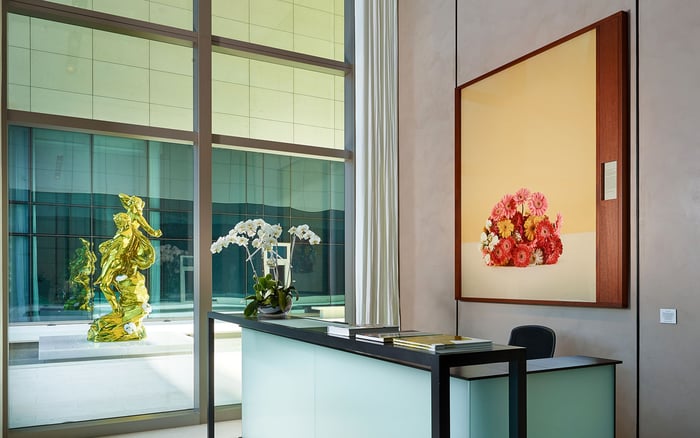
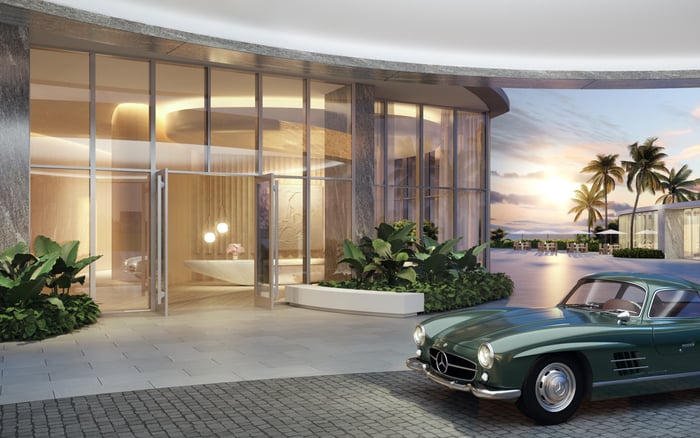
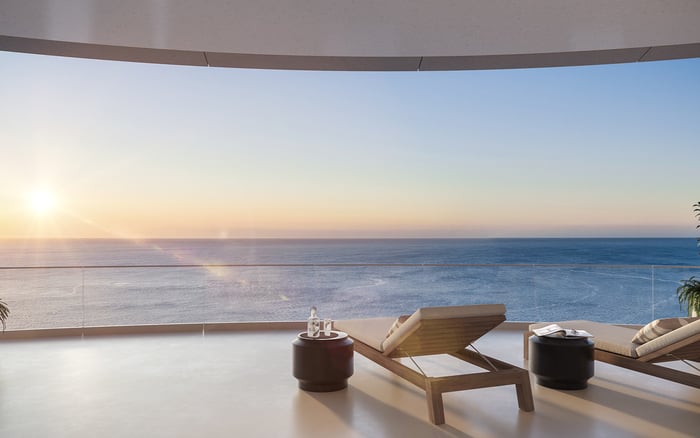
For Bal Harbour collectors, Art Basel planning extends beyond VIP access. A considered delivery strategy separates fair scheduling, residential permissions, installation planning, and customs clearance before an artwork reaches the home.
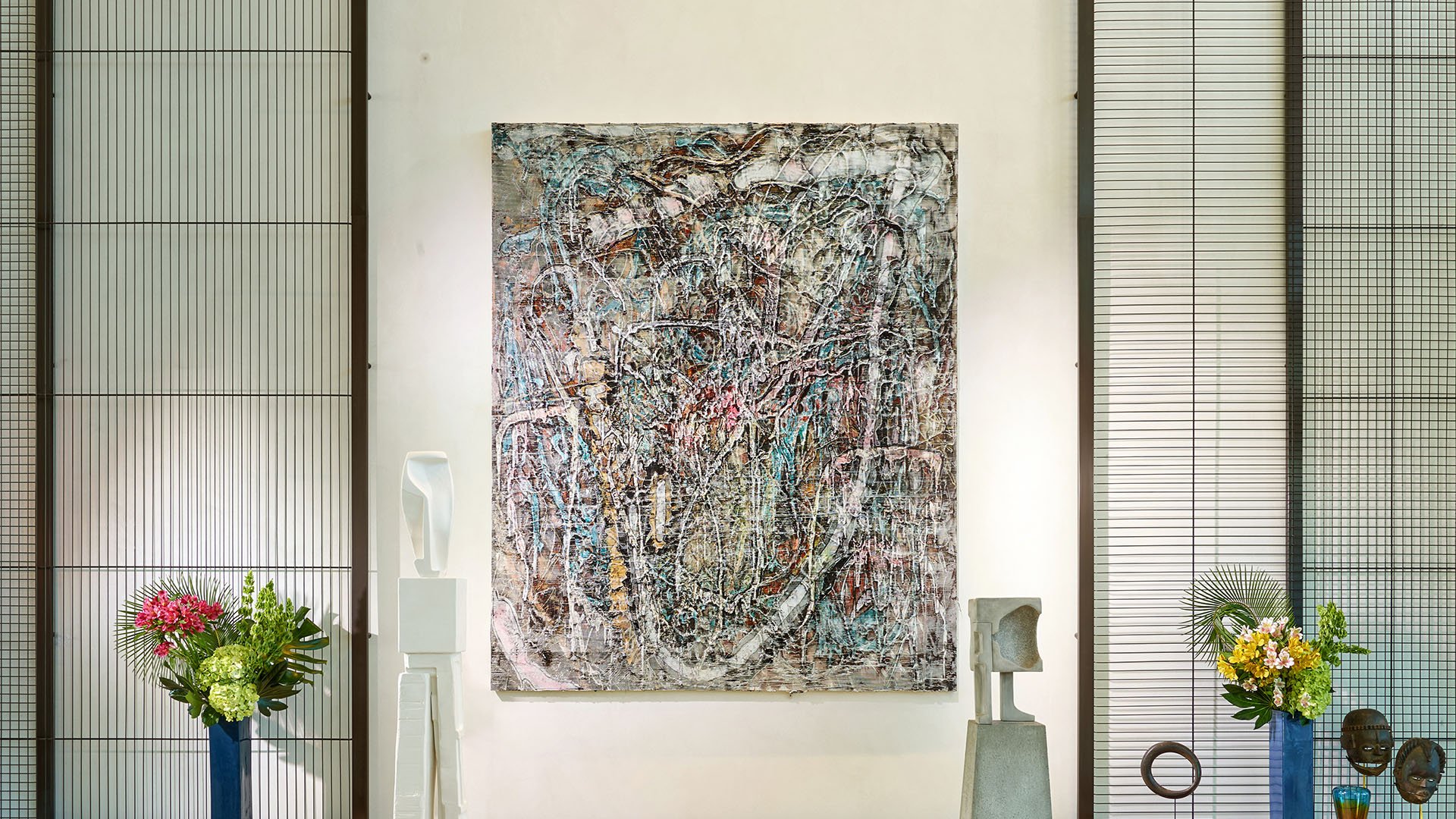
For a collector in Bal Harbour, the most consequential Art Week appointment may not be a preview or a private dinner. It may be the delivery window that allows an acquisition to reach its intended wall without a last-minute change of destination. The invitation, shipment, and installation belong to different systems. Planning them together is sensible; treating one approval as permission for all three is not.
Art Basel Miami Beach 2026 runs December 4-6, with invitation-only VIP previews on December 2-3. The fair takes place at the Miami Beach Convention Center, 1901 Convention Center Drive, Miami Beach, FL 33139-not in Bal Harbour. That distinction matters: a carrier's arrangements for the fair do not establish access to a private residence.
For owners at Oceana Bal Harbour, the practical starting point is a conversation with building management before committing to a home-delivery date. Ask what can be reserved, who can authorize entry, and which details the carrier must supply. The answers should guide the shipment, not follow it.
Separate the convention-center itinerary from the residential itinerary. Fair deliveries involve venue-specific freight scheduling and access procedures. Carriers should obtain assigned move-in windows and dock instructions rather than arrive with unscheduled freight. This planning recommendation does not replace the venue's actual instructions.
For the residence, request written confirmation of the proposed arrival time and the person authorized to receive the work. Ask whether delivery requires a freight-elevator reservation, a loading appointment, or coordination with an installation crew. Resolve these questions with the property; do not assume they are Bal Harbour-wide requirements.
Allow six to eight weeks before the fair to arrange transport, storage, and venue delivery. Bonded and climate-controlled capacity can become constrained during December's peak demand. Treat that interval as a planning recommendation, not an official booking deadline or a promise of availability.
A useful calendar distinguishes arrival in Miami, any storage period, customs release where applicable, fair delivery, and residential installation. Each date should have a named decision-maker and a contingency if the preceding step slips.
A freight-elevator appointment addresses timing. It does not, by itself, establish that a crated work can travel from the unloading point to the apartment. Before booking transport, ask the carrier and property team whether a route survey is appropriate for the work's dimensions, weight, and handling needs.
Confirm the measurements that matter: the permitted unloading location, door openings, elevator opening and cabin, corridor turns, and final room entrance. Ask about load limits, protective materials, delivery hours, fees, and insurance documentation. None should be inferred from a building's positioning or the scale of its residences.
For a buyer considering Rivage Bal Harbour, these questions belong in long-term collection planning. They do not establish that a particular residence or service route will be available for December 2026. Keep future ownership considerations separate from the address receiving this year's shipment.
Request a plan for an unsuccessful delivery, too. If the route is unsuitable or the appointment changes, determine who can authorize a return to storage and how the revised movement will be documented.
Bringing a crate upstairs and installing its contents are different tasks. Ask management whether installation requires separate permission, contractor approval, crew identification, or additional insurance wording. Confirm restrictions on drilling, equipment, protective coverings, and working hours before the installer arrives.
Inside the residence, have the installation team assess the intended location and proposed mounting method. Ask who will approve placement, who will be present for unpacking, and how the work's condition will be recorded before and after handling. Discuss a condition report as part of the handover plan, not as a universal building rule.
The same discipline applies when considering a residence in Surfside, including The Surf Club Four Seasons Surfside. The property's name is not evidence of a particular art-handling protocol. Obtain the actual instructions for the receiving address and the proposed work.
For privacy, consider asking how the crew roster, destination details, and delivery communications will be shared. Agreeing on a single owner-side contact can keep decisions clear without circulating unnecessary information.
An international shipment needs a customs strategy before departure. Temporary exhibition entry and entry for sale can require different treatment; the appropriate approach depends on the individual work's circumstances. Have a customs broker determine the applicable route rather than assume every Art Week shipment follows the same process.
Bonded transport and bonded facilities are options for uncleared artwork that remains under customs control. Bonded warehousing can provide a staging point while documentation and clearance are completed. These arrangements do not establish permission to deliver uncleared artwork to a private residence.
Keep two questions distinct: may the artwork move to the proposed destination under its customs status, and may the courier enter the building? A residential appointment cannot answer the first; a bonded transport arrangement cannot answer the second.
Before dispatch, ask the broker and carrier to confirm the authorized destination and release status. Separately, confirm property access with management. Do not substitute the phrase bonded courier for either customs authorization or residential approval.
A storage option can preserve flexibility when clearance, delivery, or installation timing changes. Available services include temperature-controlled Miami warehouse space, secured racked storage, camera coverage, and tracking by crate, owner, and destination. Confirm the actual service specifications and availability rather than assume every facility provides the same features.
For a Miami Beach receiving address such as Faena House Miami Beach, discuss backup storage alongside the proposed delivery appointment. Ask who can redirect the shipment, how custody changes are recorded, and what documentation accompanies the eventual release.
Outbound planning deserves equal attention. Arrange it before the fair opens: post-event demand includes gallery returns, exports, and delivery of purchases. Even when a work is intended for the home, establish an alternative destination if installation must wait.
The discreet luxury is not merely receiving an artwork. It is having customs status, transport, building access, and installation aligned before the crate arrives. For Bal Harbour collectors, the strongest plan gives each approval its own owner and leaves room for a controlled change of schedule.
Explore residences with your collection's practical needs in mind at MILLION.
If branded residences are on your mind — as a home or as an allocation — we would be glad to share what we are seeing, privately.
Begin a quiet conversationThe public fair runs December 4–6, 2026. Invitation-only VIP previews are scheduled for December 2–3.
No. The fair is at the Miami Beach Convention Center, 1901 Convention Center Drive, Miami Beach, FL 33139.
No. Venue freight scheduling and residential delivery arrangements are separate and should be confirmed independently.
Commercial logistics guidance recommends six to eight weeks before the fair. This is a planning recommendation, not an official deadline or availability guarantee.
Ask management about reservations, delivery hours, route dimensions, load limits, fees, and insurance documentation. Requirements must be confirmed for the specific property.
Do not assume it does. Ask whether installation needs separate permissions, contractor approval, or additional documentation.
Bonded transport alone does not establish that permission. Confirm the authorized destination and customs status with the broker and carrier, and residential access with management.
Temporary exhibition entry and entry for sale can require different treatment. A customs broker should determine the appropriate approach for the individual work.
Confirm availability, temperature-control specifications, security, crate tracking, and release procedures. Do not assume every facility offers the same services.
Commercial logistics guidance recommends doing so because post-event demand includes returns, exports, and purchase deliveries. Establish an alternative destination if residential installation must wait.