A buyer-focused electrical audit for Mr. C Residences Boca Raton, separating published amenities from the unit-specific confirmations needed for art lighting, wine storage, and vehicle charging.
A collection deserves considered lighting. Wine storage should accommodate the equipment selected for it. An electric vehicle should fit into the owner's daily routine without an unresolved parking arrangement. At Mr. C Residences Boca Raton, these ambitions call for a second reading of the residence: not its room dimensions, but the electrical provisions behind them.
The project is planned for 133 residences at 41 SE 4th Street, Boca Raton, FL 33432, with primarily two- and three-bedroom homes. Electric-vehicle charging stations are listed among its amenities. These facts establish the residential program and an advertised service-not the capacity available for a particular owner's collection, refrigeration equipment, or vehicle.
The essential distinction is between an amenity description and a unit-specific commitment. Publicly available details do not establish actual spare electrical capacity. Nor does an unpublished specification mean a provision is absent. The buyer's next step is a written audit tied to the chosen residence and intended equipment.
Begin with what you intend to install. Give the project team an equipment schedule covering proposed art lights, associated controls, wine refrigeration, and the desired charging arrangement. Ask which provisions are included, which require approval, and which would be the owner's responsibility after delivery.
Public electrical details do not identify service size, transformer capacity, or available capacity for additional owner equipment. Unit panel schedules, feeder ratings, electrical riser diagrams, and unit-specific load calculations are also not identified in the public materials. These are questions to resolve, not grounds for declaring the building adequate or inadequate.
Request the chosen residence's approved electrical plans, panel schedule, feeder rating, and load calculation. Ask for written confirmation of capacity against the equipment schedule, with any conditions or exclusions stated. Have a qualified electrical professional review the material; a general sales assurance is not a technical conclusion.
For buyers also considering Alina Residences Boca Raton, the same document request provides a consistent comparison framework. It does not presume equivalent systems or available capacity across the two projects.
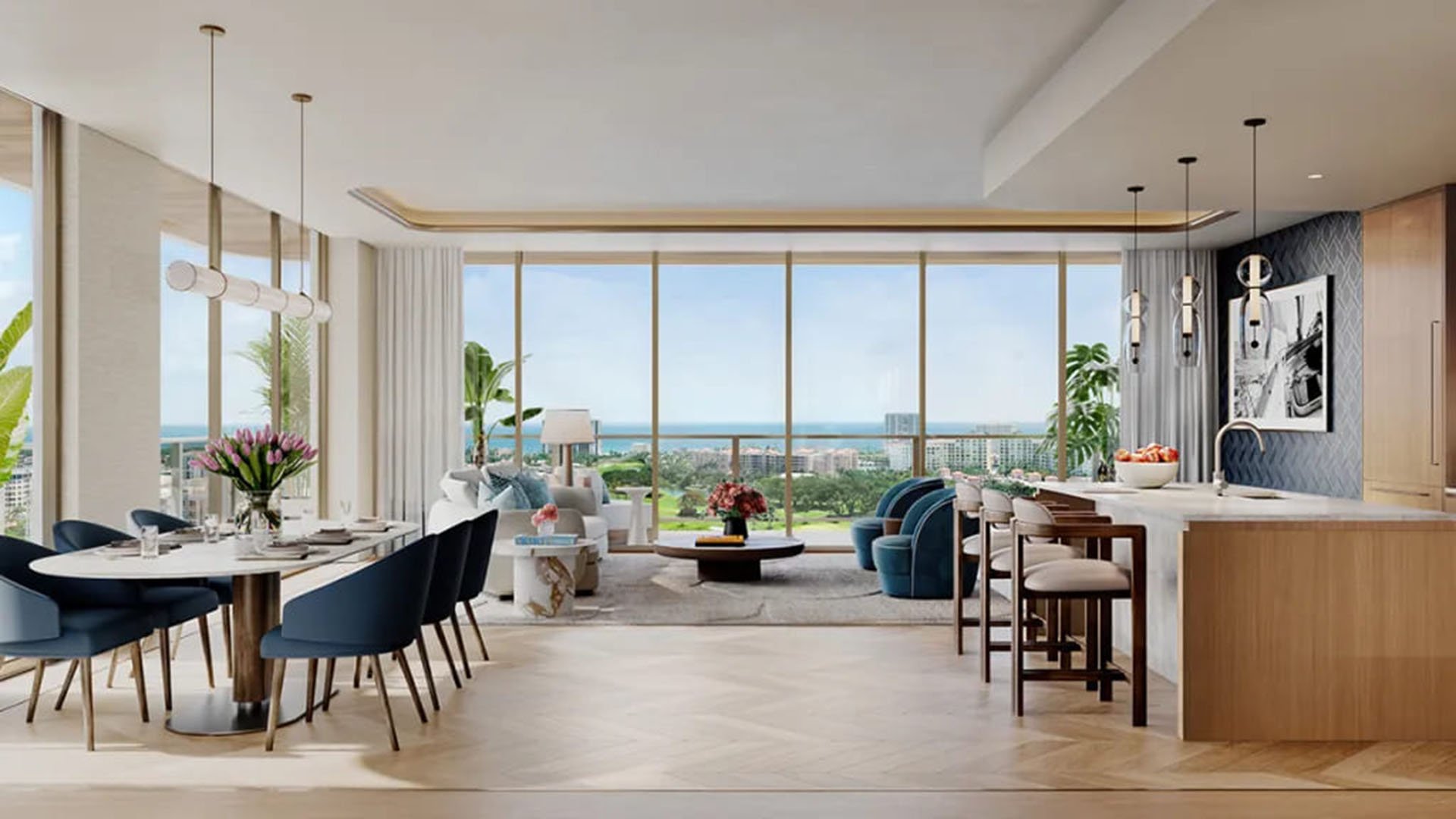
Floor-to-ceiling windows and natural light are highlighted for the residences. Neither answers the separate question of how an owner can illuminate artwork after dark. Published residence details do not provide a ceiling electrical plan, lighting-control schedule, dimmer specifications, or maximum fixture loads.
Dedicated art-lighting circuits, picture-light provisions, specialty transformers, and centralized controls are likewise not identified in the public residence and floor-plan materials. Treat each as a point for confirmation, not an assumed inclusion.
Start with the proposed art locations. Ask the designer and electrical professional to identify fixture positions, circuit requirements, and compatibility between the selected dimmers and LED drivers. Confirm where control wiring would run and whether an approved installation pathway is available for future changes. Check the lighting concept against the actual electrical plan before treating it as deliverable.
The practical question is not simply whether there is power near a wall. Ask whether the selected lighting arrangement, its controls, and its installation can be approved together. Record any required provisions while the purchase documents and design decisions can still be coordinated.
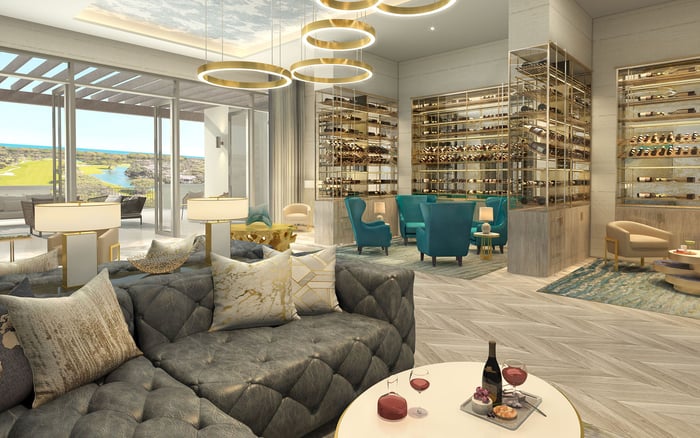
A beautifully drawn cabinet does not confirm a conditioned wine-storage installation. Public residence details do not identify a dedicated wine room, conditioned wine-storage package, or factory-installed wine refrigeration at Mr. C Residences Boca Raton.
Choose the intended equipment before asking for capacity confirmation. Submit its electrical requirements and installation instructions, then request approval of the proposed location, ventilation, clearances, and any mechanical provisions. If equipment has not been selected, keep the requirement explicitly unresolved rather than assuming a future appliance will fit the available arrangement.
Distinguish what arrives with the residence from what the owner may install. Ask who is responsible for additional electrical or mechanical work, what approvals are needed, and whether the proposed built-in layout accommodates the selected equipment. These are due-diligence requests, not confirmed project features.
For buyers weighing Glass House Boca Raton alongside Mr. C, use the same equipment-specific brief. The comparison becomes more useful when each response addresses the intended installation rather than the visual appeal of a kitchen or storage area.
Electric-vehicle charging stations are expressly listed as an amenity. The number of charging spaces and their power levels remain unspecified in the public details, as do the charging type-Level 2 or DC fast charging-and the use of load balancing.
Most importantly, the listed amenity does not establish that every residence receives a dedicated charger or that every parking space is charger-ready. Parking assignment, resident-versus-guest access, individual metering, and billing arrangements are not explained in the public amenity information.
Request a written description of the arrangement associated with your purchase. It should address charger output, parking allocation, access, metering, billing, and load management. Ask whether charging is shared or dedicated and how any proposed owner installation would be approved.
Finally, clarify upgrade rights. If you anticipate different equipment later, ask what approval and capacity confirmation would be required. Keep the garage charging inquiry distinct from the residence's panel review: confirmation of one is not confirmation of the other.
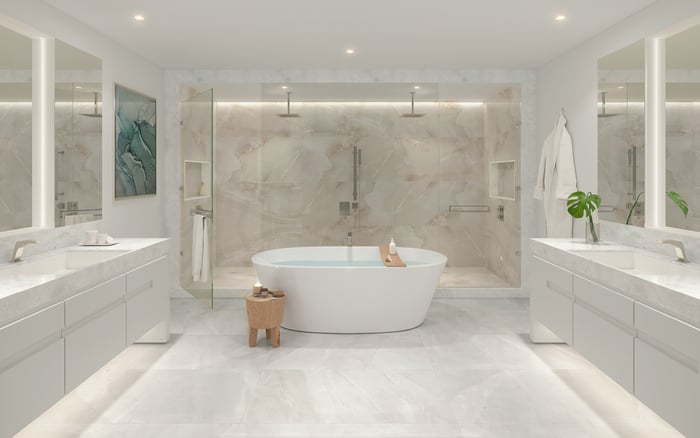
The floor-plan qualifications matter. For Residence 17-G, dimensions are estimates, and plans and specifications may change or differ from final construction. For Residence NY-08-G, depicted lighting, appliances, built-ins, finishes, and decorative details are conceptual and not necessarily included in every residence.
Depicted project features and amenities are also based on preliminary development plans, subject to change as provided in the offering documents. A rendering should therefore not substitute for a written equipment or capacity commitment.
Ask counsel to address essential provisions in the purchase documents, including the agreed scope and any approval conditions. Retain the approved plans and equipment schedule as the reference set for delivery. Before accepting an installation as complete, have the appropriate professionals compare it with those documents and identify unresolved differences.
The objective is not to turn a luxury purchase into an engineering exercise. It is to establish, before commitment, whether the residence and charging arrangement can support the life the buyer intends to lead.
For a considered approach to South Florida residential purchases, explore MILLION.
If branded residences are on your mind — as a home or as an allocation — we would be glad to share what we are seeing, privately.
Begin a quiet conversationThe project is planned for 133 residences, primarily with two- and three-bedroom layouts.
The planned project address is 41 SE 4th Street, Boca Raton, FL 33432.
Yes. Electric-vehicle charging stations are expressly listed, but the public amenity details do not specify their number or power levels.
The amenity listing does not establish a dedicated charger for every residence or charger readiness for every parking space. Request written confirmation of the arrangement associated with your purchase.
The public details do not identify the charging type or whether load balancing is used. Ask for charger output and load-management details in writing.
The public details do not establish available capacity for additional owner equipment. This does not mean capacity is absent; unit-specific confirmation is needed.
Request the chosen unit's approved electrical plans, panel schedule, feeder rating, and load calculation. Obtain written capacity confirmation against the proposed equipment schedule.
Dedicated art-lighting circuits and picture-light provisions are not identified in the public materials. Confirm fixture locations, circuit needs, controls, and installation pathways before committing.
The public residence details do not identify a dedicated wine room, conditioned storage package, or factory-installed wine refrigeration. Confirm the selected equipment's requirements and approved installation location.
No. The Residence NY-08-G disclaimer describes depicted lighting, appliances, built-ins, finishes, and decorative details as conceptual and not necessarily included in every residence.