A buyer’s guide to the operational questions behind Frida Kahlo Wynwood Residences: permitted pet-relief routes, elevator access, staff responsibilities, and emergency planning, with clear distinctions between advertised amenities and policies still requiring confirmation.
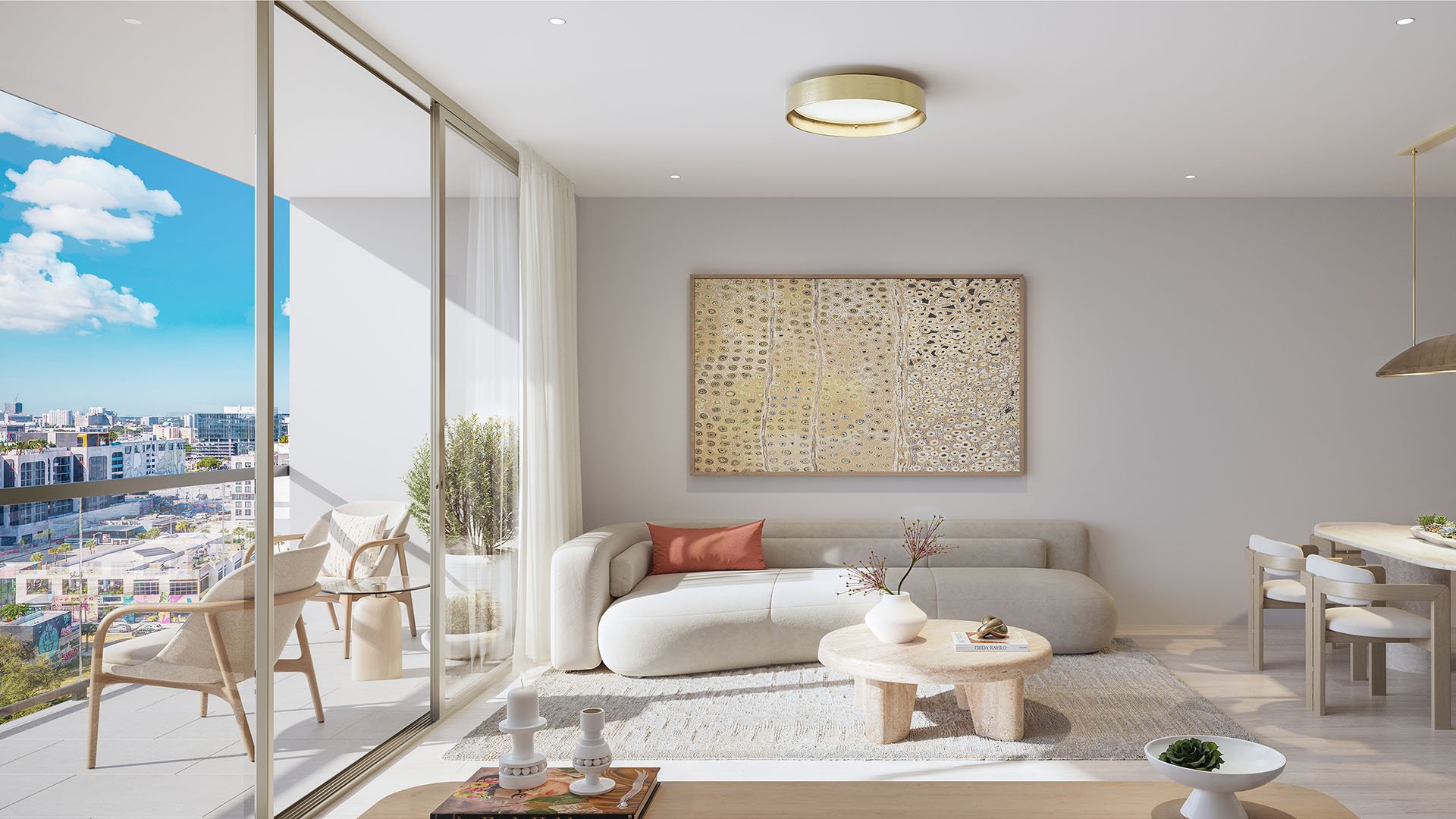
At Frida Kahlo Wynwood Residences, a buyer’s most revealing questions may concern neither finishes nor furnishings. For a household with an animal, residential comfort also depends on the route outside, the elevator available after hours, and the plan when normal circulation stops.
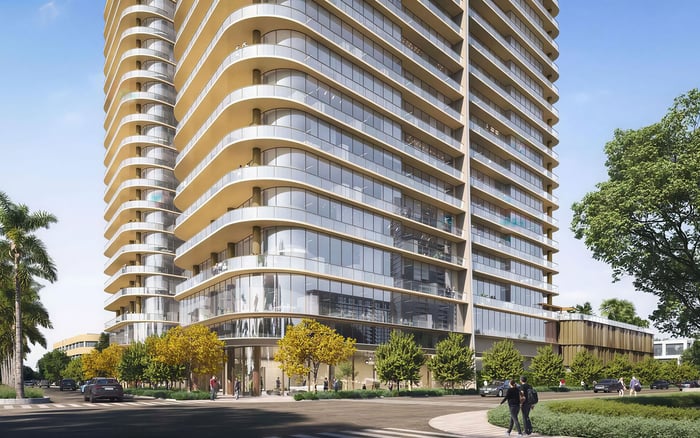
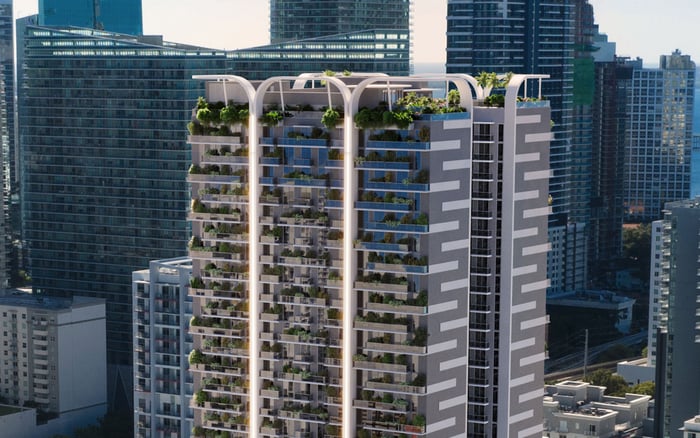
The planned PMG and Lndmrk Development project at 119 NW 29th Street in Wynwood comprises an eight-story north tower and a 14-story south tower. Plans call for 244 fully furnished residences, ranging from studios to three bedrooms. Both 2028 and 2029 have circulated as delivery dates; buyers should confirm the current schedule rather than treat either as guaranteed.
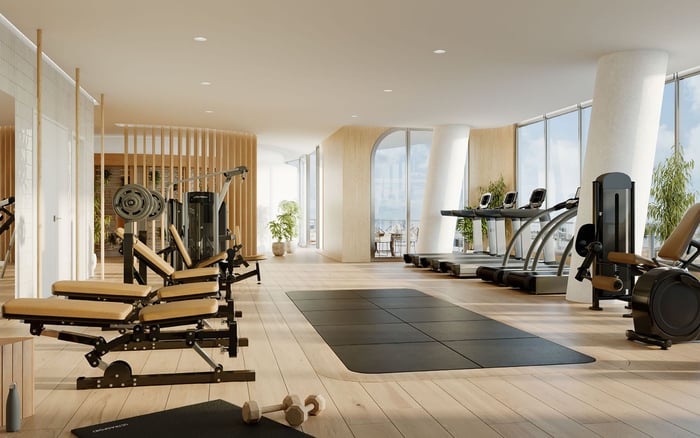
The advertised pool, lobby bar, fitness studio, and wellness center promise an appealing daily setting. They do not establish pet permissions or emergency services. That distinction matters: a policy not publicly disclosed is not necessarily a provision that will be absent. It requires written confirmation.
Weight or breed restrictions, animal limits, vaccination requirements, deposits, and registration procedures remain unconfirmed here. Confirm those permissions before evaluating the convenience of a particular residence.
A dedicated dog run, pet-relief room, washing station, or artificial-turf relief area also remains unconfirmed. Garden-inspired landscaping should not be treated as permission for animal relief. Access for animals to the courtyard, pool deck, wellness spaces, and other shared amenities requires verification as well.
Ask for a marked route from the prospective residence, through its tower, to the nearest permitted relief location. Request a separate route from the garage. A useful answer should identify doors, access controls, operating hours, lighting, waste disposal, and responsibility for cleaning and maintenance.
Then test the route against your household’s habits. Does late-night access differ from daytime access? Does any segment close for maintenance, and what alternative is permitted? A short route on a diagram is useful only if its doors and destination remain available when needed.
Elevator counts, dimensions, service-elevator availability, and pet-use protocols remain unconfirmed here. The two planned tower heights make a tower-by-tower response more useful than a general assurance that the building accommodates animals.
Request the proposed passenger and service-elevator arrangements, garage connections, and shared-lobby routes. Ask whether pets must travel separately, use designated elevators, remain in carriers, or follow particular leash rules. Include visiting animals and access for dog walkers in that discussion.
The practical test is continuity. What happens when the permitted elevator is unavailable? Who communicates an outage, and what alternative route is authorized? Confirm whether a carrier and any mobility equipment your household uses can be accommodated together; do not assume the dimensions will suffice.
If your shortlist also includes 2200 Brickell, apply the same written questionnaire there. The value lies in a consistent comparison, not an assumption that another condominium’s elevator rules apply in Wynwood.
Twenty-four-hour concierge and reception are advertised, but those services do not, by themselves, define responsibility for pet registration, incidents, elevator access, or animal emergencies. Request a clear division between tasks staff will perform, tasks they may coordinate, and tasks that remain entirely the owner’s responsibility.
The planned Baker Health partnership concerns resident healthcare. It does not establish veterinary services, animal first aid, boarding, or emergency pet transportation. Likewise, a wellness center with a thermal circuit, steam room, sauna, cold plunge, and treatment rooms should not be read as an animal-care offering.
A buyer also considering The Well Coconut Grove should carry that distinction into the comparison: ask each property to document its actual services rather than infer them from its name or positioning.
For an owner who travels, ask how management would respond to an incident involving an animal left at home. Confirm emergency contacts, notice procedures, and who, if anyone, would be authorized to enter the residence. Do not presume that concierge availability includes permission or capacity to retrieve a pet.
A building-specific evacuation plan remains unconfirmed here, as do evacuation chairs, pet carriers, animal-rescue equipment, refuge areas, and staff-assisted procedures. These remain questions for the development team and eventual management, not established services.
For fire evacuation, do not use elevators unless directed by emergency responders. This general safety guidance is not a substitute for the development’s final emergency action plan or instructions from emergency responders.
Request enclosed-stair counts, access and re-entry rules, assembly locations, and accessibility provisions. Ask specifically how the plan addresses residents unable to carry an animal down multiple flights. Floor selection should include this discussion, not rest on an assumption that staff will provide physical assistance.
Establish how emergency notices will reach residents and how instructions distinguish a fire from an ordinary elevator outage. Any proposed assistance should have a defined responsible party and procedure. A verbal promise that someone will help is not an evacuation plan.
Miami-Dade offers pet-friendly evacuation centers for residents living in evacuation areas, unsafe structures, or mobile homes. Locations are announced before a storm, and service animals are permitted at all evacuation centers. Neither fact establishes pet-related assistance within this development.
Confirm current county eligibility and registration requirements directly, including whether pre-registration through 311 is required. Ask what animal records, carriers, and supplies must accompany your household. Arrange transportation rather than assuming the building will provide it.
The ownership question is straightforward: if departure becomes necessary, who moves the animal, where does the household go, and what happens if the owner is away? Resolve that sequence independently of the building’s amenity program.
For branded residences, operational detail deserves the same scrutiny as design. Request the declaration, condominium rules, pet addendum, house rules, emergency action plan, and final life-safety procedures. Where documents remain provisional, ask what is settled, what may change, and when updated versions will be available.
Keep a written record of each important question, the answer received, and the document supporting it. Before relying on sales assurances, have your adviser review how those answers relate to the governing documents. The objective is not an extravagant pet-service menu. It is a residence whose daily permissions and emergency responsibilities fit your household.
For a discreet perspective on matching South Florida residences to the way you live, explore MILLION.
If branded residences are on your mind — as a home or as an allocation — we would be glad to share what we are seeing, privately.
Begin a quiet conversationThe planned PMG and Lndmrk Development project is at 119 NW 29th Street in Wynwood, Miami.
Plans call for 244 fully furnished residences across an eight-story north tower and a 14-story south tower. Layouts range from studios to three bedrooms.
Both 2028 and 2029 have circulated as anticipated completion dates. Buyers should confirm the current delivery schedule rather than rely on either as guaranteed.
A building-specific pet policy remains unconfirmed here. Buyers should request restrictions, pet limits, vaccination requirements, deposits, and registration procedures in writing.
A dog run, pet-relief room, pet-washing station, or artificial-turf relief area remains unconfirmed here. This does not establish that such facilities will be absent.
Those permissions remain unconfirmed here. Garden-inspired landscaping should not be assumed to permit animal relief.
Elevator counts, dimensions, service-elevator availability, and pet-use protocols remain unconfirmed here. Request tower-specific details and procedures for outages.
The planned Baker Health partnership concerns resident healthcare. It does not establish veterinary care, animal first aid, boarding, or emergency pet transportation.
Do not use elevators for fire evacuation unless directed by emergency responders. Request the building’s final emergency action plan rather than assuming ordinary elevator access remains safe.
No, county pet-friendly evacuation centers do not establish building-provided assistance. Confirm current county requirements and separately arrange transportation and care for your animal.