A discreet buyer’s guide for Beverly Hills owners considering Coral Gables and nearby South Florida enclaves for a secure, service-forward lock-and-leave home.
For a Beverly Hills owner, the move toward Coral Gables is rarely about trading one lifestyle for another. More often, it is an edit. The question is not whether South Florida can replicate the privacy of a Los Angeles estate. It is whether a buyer can secure a home that feels composed, serviced and effortless while supporting a life lived between cities.
That is the essence of the lock-and-leave brief. The home must be elegant when occupied and quietly protected when empty. It should not require a full-time local household team to remain presentable, secure or functional. It should allow the owner to arrive from a late flight, open the door and feel that the residence has been waiting in perfect order.
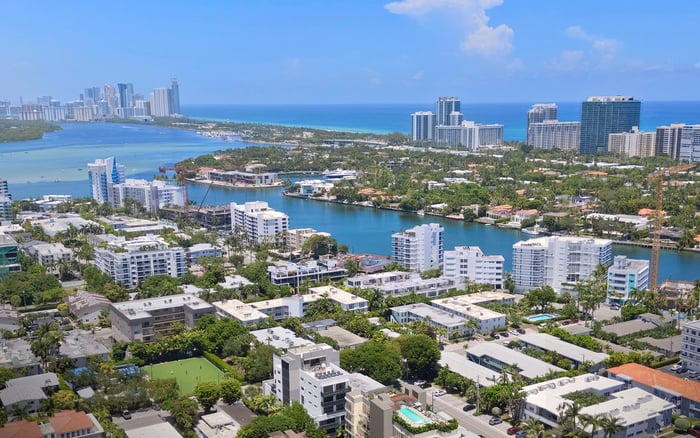
Coral Gables appeals because it offers a residential rhythm rather than a resort tempo. Its appeal rests in a sense of permanence, shaded streets, architectural character and proximity to Miami’s cultural, business and airport corridors. For buyers accustomed to Beverly Hills, the familiar values are privacy, presentation and neighborhood identity. The differences are climate, pace and the way service is embedded into the residence itself.
A lock-and-leave home is not simply a smaller home or a condominium with a front desk. At the upper end, it is a system. Security, maintenance, climate management, package handling, guest access and vendor coordination all become part of the property’s performance. The architecture may be beautiful, but the operating model determines whether ownership feels effortless.
The first test is access. How does a resident, family member, staff member or approved vendor enter when the owner is away? How are deliveries handled? Is there a clear procedure for guests, drivers and service appointments? A luxury buyer should ask these questions before falling in love with a floor plan.
The second test is governance. In a condominium or managed community, rules matter. Pet policies, rental restrictions, renovation approvals, insurance responsibilities and visitor protocols all shape daily life. A building can be beautifully designed and still be wrong for a buyer whose household moves fluidly across coasts.
The third test is resilience. In South Florida, a lock-and-leave home should make absence feel manageable. Buyers should understand how the property handles storms, power interruptions, water intrusion monitoring, preventive maintenance and communication during emergencies. The goal is not anxiety. The goal is confidence.
Coral Gables is not Miami Beach, Brickell or Palm Beach, and that distinction is central to its value proposition. It is for buyers who want proximity without constant spectacle. A Beverly Hills buyer may recognize the appeal immediately: a defined civic identity, mature landscaping, established residential pockets and a culture that prizes discretion.
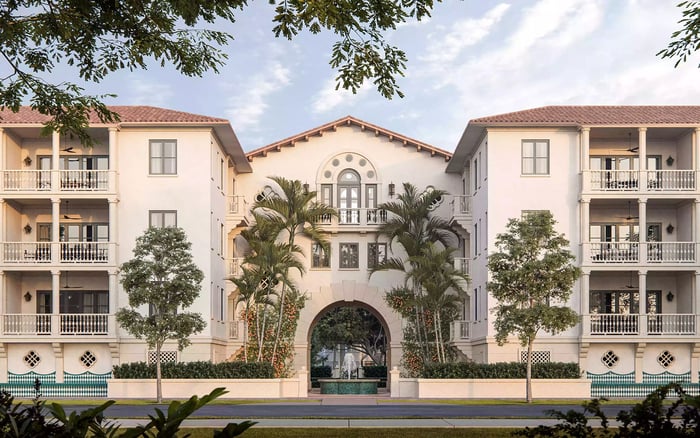
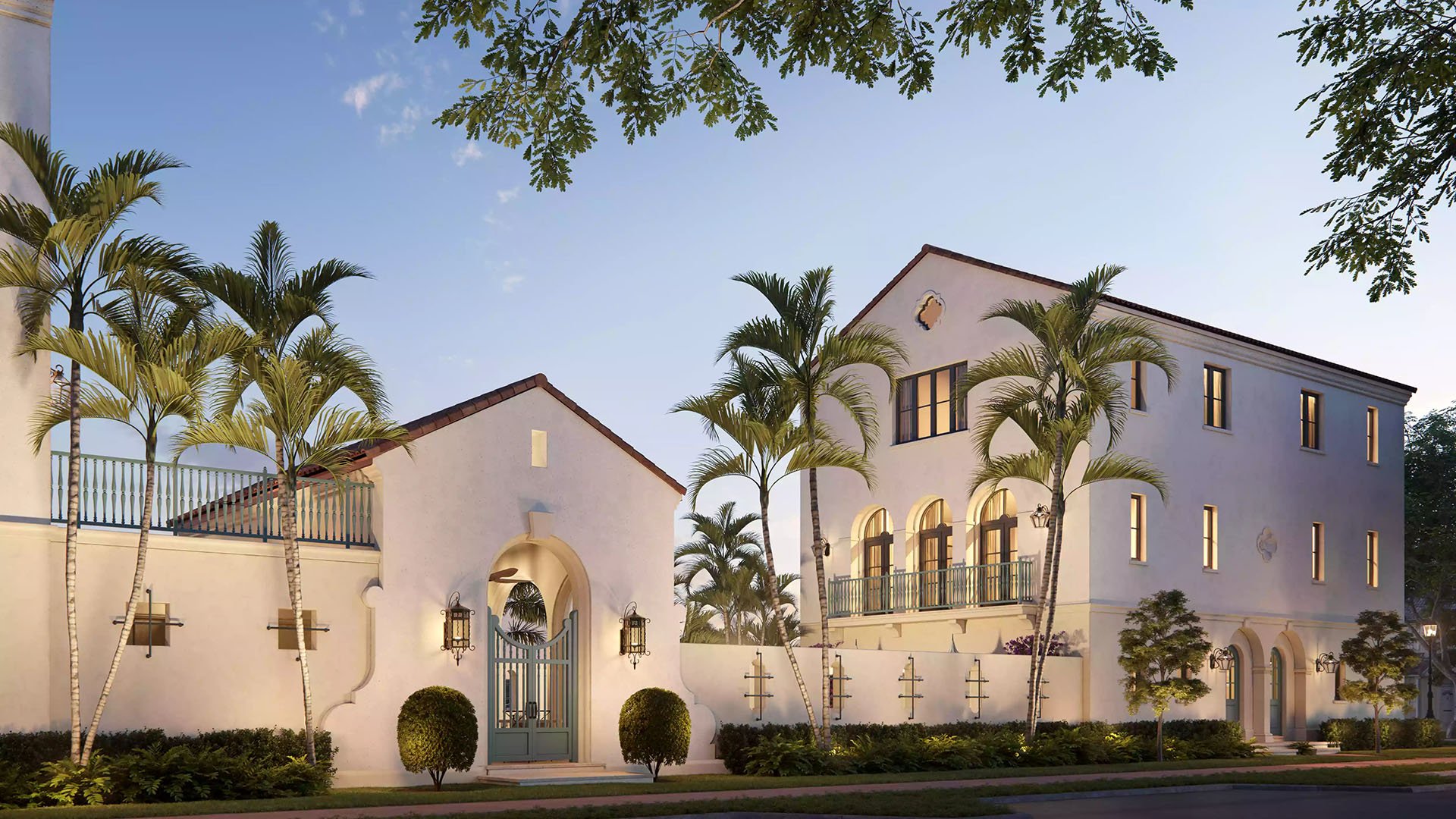
Within this context, projects such as The Village at Coral Gables give buyers a point of reference for new residential living in the city, while Ponce Park Coral Gables speaks to the appeal of remaining close to the neighborhood’s urban conveniences. A buyer should evaluate them not only by design, but by how naturally they support the daily rituals of arrival, departure, privacy and service.
The Coral Gables buyer is often not chasing the tallest view or the loudest amenity deck. The decision is more nuanced. How does the residence feel at 8 a.m. on a Tuesday? Can one walk to dinner without entering a nightlife district? Does the building or community feel composed when the owner is not in residence? These are subtle questions, but they often decide the purchase.
The lock-and-leave category includes several ownership formats. A full-service condominium may be the cleanest solution for frequent travelers. A villa-style residence may offer more privacy and a stronger sense of home, but with greater responsibility. A managed residential community can sit between the two, giving buyers a more house-like experience with shared infrastructure.
For a Beverly Hills owner used to gates, cameras, gardeners and house managers, the instinct may be to seek a single-family property. That can be the right choice, especially for families who prioritize private outdoor space. Yet the lock-and-leave equation may favor a staffed building or managed setting, particularly when the owner plans to use the home seasonally.
Nearby Coconut Grove adds another lens. Four Seasons Residences Coconut Grove may be relevant for buyers who want a waterfront-adjacent neighborhood atmosphere while remaining close to Coral Gables. The Grove feels different from the Gables, more bohemian and coastal, but it can satisfy the same desire for calm, greenery and understatement.
The decision should begin with use. If the home will host extended family for long stays, storage, parking, service access and bedroom separation become essential. If it will function as a pied-à-terre, the buyer may care more about staffing, arrival sequence, wellness spaces and the ease of closing the door for several weeks.
In Beverly Hills, service is often private and household-based. In South Florida’s lock-and-leave market, service may be building-based, brand-based or association-based. Buyers should distinguish between hospitality language and actual operational depth. A beautiful lobby does not automatically solve the owner’s practical needs.
The right questions are direct. Who can coordinate maintenance when the owner is away? How are keys or digital credentials controlled? Can staff receive perishables, manage luggage or allow pre-approved vendors into the residence? Are there procedures for extended absences? Who communicates with residents if weather conditions require action?
This is where the buyer’s tolerance for shared living becomes important. Some owners want the anonymity of a full-service building. Others prefer a boutique environment with fewer residences and a more residential sensibility. A smaller setting can feel more personal, but buyers should ensure staffing, reserves and governance are robust enough for their expectations.
The search often combines Coral Gables, second-home, new-construction, gated-community, boutique and Miami Beach considerations, even when the final purchase is firmly inland. The labels are less important than the fit: a home that behaves well when no one is there.
Even buyers focused on Coral Gables often compare the Gables with Miami Beach. The beach offers water, hotel energy and a more visible social scene. For some, that is the point. For others, it is precisely what makes Coral Gables more attractive.
A project such as The Ritz-Carlton Residences® Miami Beach can serve as a useful contrast for buyers weighing branded residential service against a quieter inland address. The question is not which is better. It is which version of South Florida best supports the owner’s pattern of use.
If the home is meant for winter weekends, entertaining and beach access, Miami Beach may remain compelling. If it is meant as a base for family, schools, business meetings, medical appointments or extended stays, Coral Gables may feel more natural. The most sophisticated buyers are not choosing by postcard. They are choosing by calendar.
Before committing, buyers should review the property with the same seriousness they would bring to an architectural estate in Los Angeles. The difference is that the diligence must include both the unit and the operating ecosystem around it.
Study the financial health of the association or governing body. Understand insurance obligations. Review maintenance responsibilities, reserves, rules and any restrictions that could affect guests, pets, leases or renovations. Confirm parking, storage, elevator access and service routes. Walk the arrival sequence from garage to residence and ask whether it feels dignified enough for everyday use.
Then examine absence. Ask what happens if the residence is empty for a month. Ask how the building communicates with owners. Ask whether management can accommodate the realities of a bi-coastal life. A true lock-and-leave home should reduce friction, not simply transfer it to the owner in a more expensive form.
What is a lock-and-leave home? It is a residence designed to remain secure, maintained and easy to re-enter after time away. The best examples combine privacy with reliable service and clear operating procedures.
Why are Beverly Hills buyers considering Coral Gables? Coral Gables offers a residential South Florida setting with privacy, neighborhood identity and proximity to Miami. It can feel more composed than more resort-driven coastal areas.
Is a condominium better than a house for lock-and-leave use? Often, yes, if the building has strong staffing, security and management. A house can work well, but it usually requires more private oversight.
What should I ask before buying? Ask about access control, maintenance, storm procedures, insurance, reserves, vendor entry and rules for guests or rentals. These details shape the ownership experience.
Does Coral Gables feel like Miami Beach? No. Coral Gables is more residential and understated, while Miami Beach is more coastal, social and resort-oriented.
Should I prioritize new construction? Newer residences may offer modern systems and contemporary layouts, but governance and service quality are equally important. Condition and operations should be reviewed together.
How important is staffing? Staffing is central to the lock-and-leave experience. The right team can make arrivals, absences and vendor coordination feel seamless.
Can a lock-and-leave home still feel private? Yes, if access, circulation, parking and resident density align with the buyer’s expectations. Privacy is created by both design and operations.
Is Coral Gables suitable for a second home? Yes, particularly for buyers who want a calmer base near Miami rather than a purely vacation-oriented address. It suits longer stays as well as seasonal use.
What is the most important buying principle? Buy for your actual rhythm of life, not the fantasy itinerary. The best home is the one that works beautifully when you arrive and when you leave.
When you're ready to tour or underwrite the options, connect with MILLION.
If branded residences are on your mind — as a home or as an allocation — we would be glad to share what we are seeing, privately.
Begin a quiet conversation