A buyer-focused guide to evaluating Palm Beach County residences for durable ocean or Intracoastal sightlines, practical balcony exposure and property-specific obstruction risk.
In Palm Beach County, a compelling water view depends on the relationship among the residence, shoreline and neighboring land. A home directly on the Atlantic or Intracoastal generally has a more defensible primary water corridor than an inland residence relying on a narrow opening between other buildings. Even with direct frontage, however, the precise stack, floor and orientation determine what a buyer will see.
The most useful review begins at parcel level. Buyers should examine the position of the building, the location of adjacent sites and the angle from the principal rooms. A broad water panorama may feel more resilient than a distant or partial view framed by neighboring structures, but every residence requires an individual assessment.
The strongest water view is supported by the parcel, not merely the sales description.
Palm Beach County offers several distinct waterfront experiences. Boca Raton includes Atlantic-facing condominiums, inlet-area residences and homes with Intracoastal outlooks. Singer Island combines ocean exposure with opportunities for westward views across the Intracoastal. West Palm Beach provides another perspective, with residences oriented toward the water and Palm Beach Island.
Each setting presents trade-offs. Atlantic exposure emphasizes open water, sunrise light and direct coastal conditions. Intracoastal exposure can provide boating activity, layered shoreline views and evening light. Corner and wraparound configurations may offer alternatives when wind, glare or weather make one side of the residence less comfortable.
A project shortlist should be treated as the beginning of due diligence rather than a substitute for it. In West Palm Beach, buyers evaluating contemporary waterfront options may include South Flagler House West Palm Beach, Forté on Flagler West Palm Beach and Shorecrest Flagler Drive West Palm Beach in a project-specific comparison. Buyers interested in a marina-oriented proposition may also review Alba West Palm Beach.
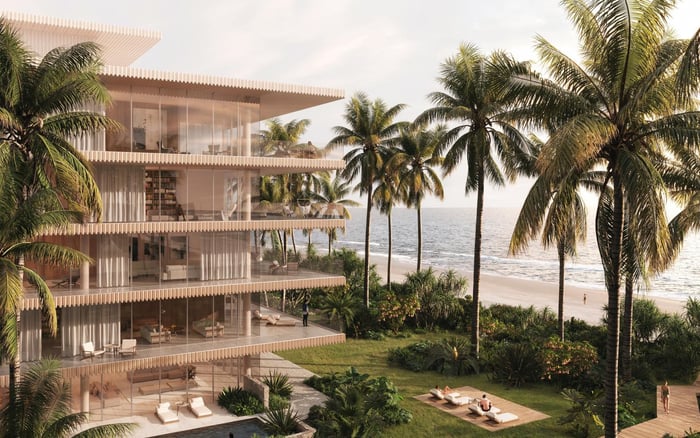
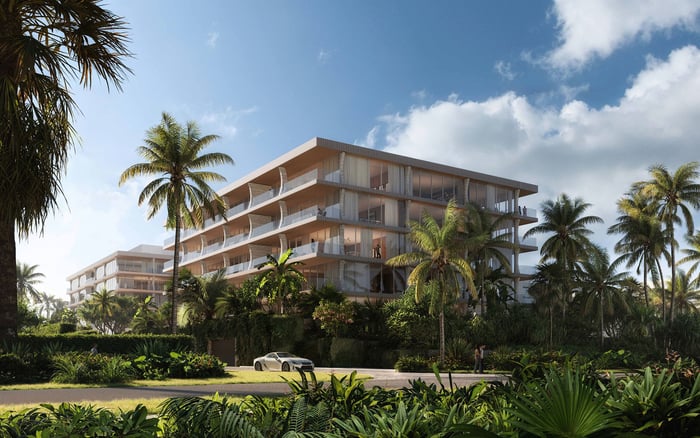
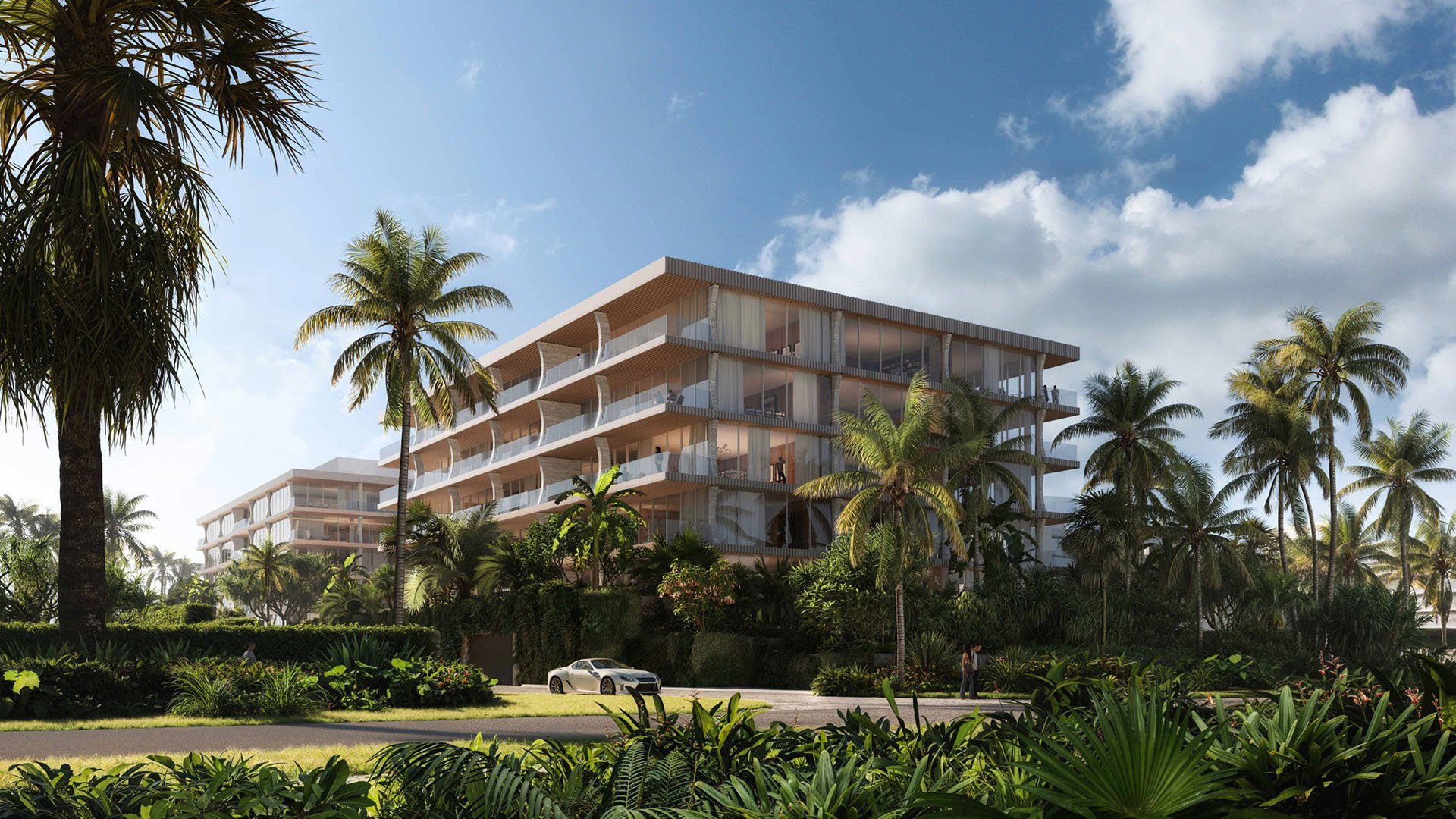
For every project, the analysis should move from the general location to the exact residence. Confirm its floor, exposure, balcony placement and relationship to adjacent parcels. Marketing images can illustrate an intended experience, but an in-person or residence-specific review is more useful for judging the actual sightline.
No attractive view should be assumed permanent solely because it is open today. Buyers should identify the land between the residence and the water, then investigate surrounding parcels and any visible development activity. A survey, title materials, condominium documents and advice from qualified professionals can help frame property-specific risk.
Direct frontage can reduce reliance on a view over a separate inland parcel, but it does not make every angle equivalent. Side-facing residences may depend on a corridor past another building, while a corner residence may combine one broad exposure with a narrower secondary view. Landscaping, common-area elements and future work within a property can also affect the experience.
The evaluation should include views from the living area, primary bedroom and balcony. A standing ocean view may become partially interrupted when seated, and an impressive balcony panorama may not carry into the interior. Buyers should assess the places where they expect to spend the most time.
Balcony usability is separate from balcony size. Depth, shape and door placement determine whether outdoor furniture can fit without restricting circulation. A long but shallow terrace may be less practical for dining than a more compact space with sufficient depth.
Orientation influences sunlight, heat, shade and wind. An east-facing balcony can emphasize morning light and Atlantic views, while a west-facing outdoor area may capture evening light across the Intracoastal. Overhead slabs can add shelter but may also create shade. Conditions should be tested at a time that reflects how the buyer expects to use the space.
Railing design matters as well. A solid or visually prominent barrier can interrupt a seated sightline even when the standing view is excellent. Clear railings may create a more continuous connection to the water, subject to condition and maintenance. Buyers should sit where furniture would be placed and check the view through or above the railing.
Corner and wraparound balconies can improve flexibility by offering more than one orientation. They may provide choices as wind and sun change, but exposed corners can also feel less sheltered. The practical test is whether each section supports the buyer’s intended use rather than merely adding outdoor area on paper.
Waterfront exposure makes building condition an important part of the purchase analysis. Buyers should review available information concerning façade work, railings, balconies, windows, storm protection and reserve planning. Qualified legal, engineering and inspection professionals can help interpret the records relevant to a specific transaction.
Storm-protection components should also be assessed for their effect on daily use. Tracks, housings and deployment requirements may influence furniture placement, maintenance and sightlines. The presence of impact glazing or shutters should be verified for the individual residence rather than assumed from the building’s general description.
The best exposure is the one that matches the buyer’s preferred water experience. Direct Atlantic views may appeal to those prioritizing an open horizon and sunrise. Intracoastal views may suit buyers who enjoy boating activity, shoreline depth and evening light. A residence with more than one water orientation can add visual variety and flexibility.
View quality should not be reduced to a simple ocean-versus-Intracoastal choice. Distance from the water, angle of view, interior layout and balcony design all shape the experience. A well-framed Intracoastal outlook may be more satisfying than a limited side-ocean glimpse, while a direct Atlantic corridor may justify accepting stronger wind or salt exposure.
Buyers can make comparisons more consistent by using the same checklist at every showing. Record the view from each principal room, note nearby parcels, sit on the balcony and observe sun, shade and wind. Confirm whether doors, railings or storm-protection components interfere with the intended furniture plan.
The final decision should balance visual appeal with durability and everyday usefulness. Parcel position helps frame obstruction risk, while residence orientation and balcony geometry determine how the water is experienced in practice. Building records and professional review complete the picture before a buyer relies on the view as a central reason for purchasing.
For discreet guidance on Palm Beach County waterfront opportunities, connect with MILLION.
If branded residences are on your mind — as a home or as an allocation — we would be glad to share what we are seeing, privately.
Begin a quiet conversationDirect ocean or Intracoastal frontage can reduce reliance on a view across a separate inland parcel. The exact residence and surrounding sites still require review.
No. Floor, stack, orientation, neighboring parcels and on-site elements can still affect a residence’s sightlines.
Buyers should review surrounding parcels, surveys, title materials, condominium documents and visible development activity with qualified professionals.
Railings and balcony geometry can interrupt a seated sightline even when the standing view appears open.
Useful depth, workable door placement, furniture clearance, suitable shade and manageable wind all contribute to practicality.
They can provide multiple orientations and greater flexibility as sunlight, wind and weather change.
Ocean exposure can emphasize an open horizon and morning light, while Intracoastal exposure may offer boating activity, layered shoreline views and evening light.
Available records concerning façades, balconies, railings, windows, storm protection and reserve planning can inform the purchase analysis.
Yes. Tracks, housings and deployment requirements may influence furniture placement, maintenance and sightlines.
No. Marketing images should be supplemented by a residence-specific review of the actual floor, exposure, balcony and adjacent parcels.