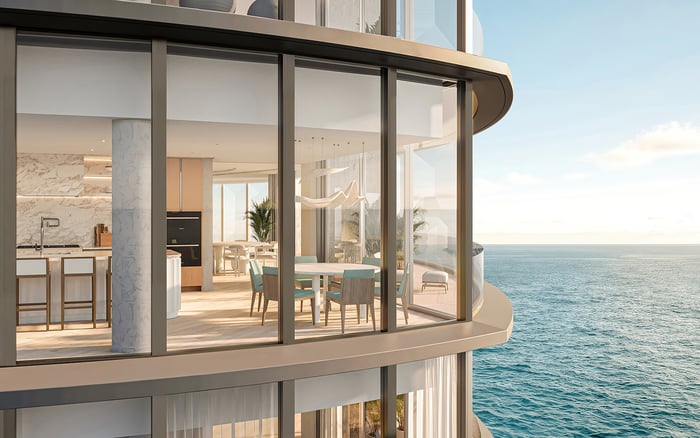
For an Oceana Bal Harbour buyer, a completed SIRS establishes a structural reserve baseline. Meaningful diligence begins by reconciling that study with the budget, reserve cash, assessments, debt, insurance, capital plans, and the buyer’s intended ownership horizon.
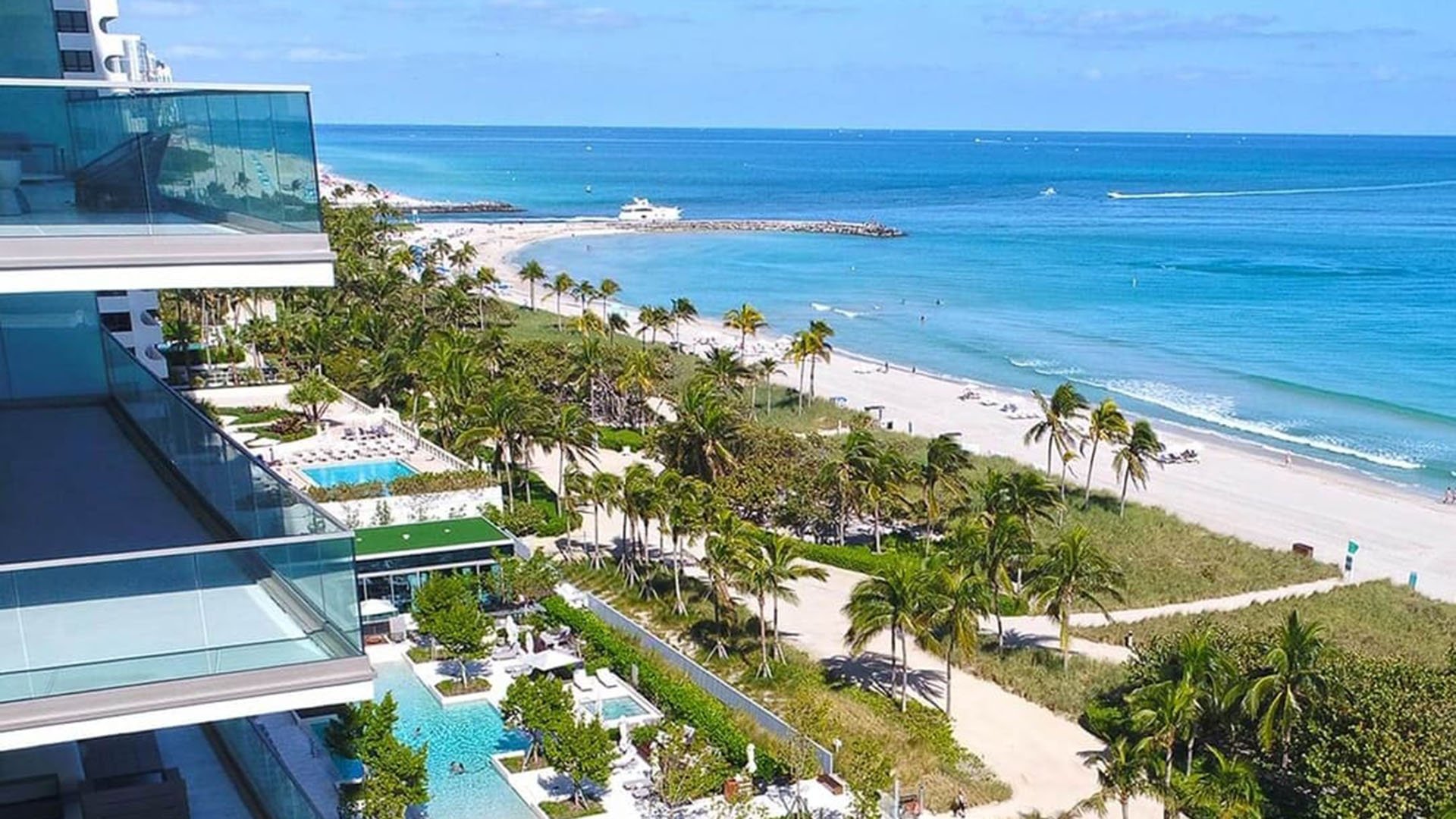
For a buyer considering Oceana Bal Harbour, the Structural Integrity Reserve Study, commonly called a SIRS, warrants close attention. Florida’s framework requires condominium buildings of three stories or more to complete one every 10 years. Through a visual inspection, the study evaluates the condition and remaining useful life of specified condominium common areas and estimates the reserve funding needed for major future repairs and replacements.
That makes the SIRS indispensable, but not comprehensive. Its visual, common-area focus means it is not a forensic guarantee against concealed deterioration, latent defects, or conditions within an individual residence. Nor does a satisfactory study establish that the association is financially strong, adequately insured, free of litigation, or prepared for every desirable capital project.
A satisfactory SIRS establishes a structural-funding baseline, not a complete verdict on financial health.
This distinction matters in Bal Harbour, where an oceanfront residence can represent both a lifestyle decision and a substantial investment. The sophisticated question is no longer simply whether a study exists, but whether the association’s finances, budget decisions, and capital strategy faithfully support its requirements.
The statutory scope encompasses major shared components, including roofs, load-bearing structures, structural waterproofing and exterior painting, fire-protection systems, elevators, structural pavement and parking areas, pools, windows, exterior doors, and components identified through milestone inspections. Structural issues uncovered during a milestone inspection can therefore affect both the items evaluated and the funding required by the reserve study.
Qualifying existing associations were required to complete their initial SIRS by December 31, 2025. For budgets beginning after December 31, 2024, associations could no longer waive or deliberately underfund reserves required for covered structural components. Those changes impose greater discipline on reserve funding, but compliance alone does not reveal how comfortably an association can absorb the obligation.
SIRS funds are designated for covered items; they are not unrestricted cash available for every operating expense or enhancement. Interior finish renewals, fitness equipment, technology upgrades, landscaping, and aesthetic amenity improvements may fall outside the study while still prompting higher dues or separate assessments. A buyer comparing established properties with newer offerings such as Rivage Bal Harbour should distinguish between their capital profiles rather than treating age or compliance status as a complete financial answer.
The most revealing exercise is a line-by-line reconciliation. Begin with the annual contributions called for by the SIRS, then compare them with the adopted budget, current reserve balances, recent financial statements, and the association’s actual contribution practices. A study may describe an appropriate long-term schedule, while the current budget reveals how that schedule translates into owner obligations.
The funding mechanism matters as much as the headline reserve requirement. Regular assessments may spread costs across recurring charges. A special assessment can concentrate the burden into a near-term capital call. Association borrowing may soften the immediate payment, but it introduces interest expense and debt service that can increase future budgets. Buyers should identify outstanding loans, review repayment terms, and determine whether reserve balances are cash-funded or materially dependent on future collections.
Historical underfunding can create another layer of pressure. An association correcting earlier reserve shortfalls may require front-loaded contribution increases even when its eventual schedule is technically adequate. For resale diligence, compare five figures: SIRS-required contributions, budgeted contributions, current reserve cash, planned special assessments, and outstanding association debt. The relationship among them is more informative than any single balance viewed in isolation.
Because a SIRS must recur at least every 10 years, its position in the cycle matters. Request the date of the current study, identify when the next one is expected, and map each major component’s remaining useful life and projected expenditure against the intended holding period. A repair forecast several years away may still affect present value if reserve contributions begin immediately or a future buyer will scrutinize the same exposure.
Cost assumptions also merit examination. Projected replacement figures should reflect realistic expectations for construction inflation, coastal labor, permitting, engineering, and contingencies. Future milestone findings, revised useful-life estimates, or higher construction costs can increase required reserves after the current study is issued. The schedule is a planning instrument, not a fixed ceiling.
The same time-horizon analysis belongs in any review of premium coastal properties, whether at The Surf Club Four Seasons Surfside or The Estates at Acqualina Sunny Isles. The purpose is not to assume comparable obligations, but to recognize that each condominium’s study date, capital calendar, reserve position, and funding method must be evaluated independently.
A complete waterfront condominium review extends well beyond structural reserves. Insurance premiums, policy limits, deductible exposure, open claims, litigation, ordinary operating expenses, and unit-specific systems sit outside the central SIRS inquiry. Each can affect annual carrying costs or create an obligation the structural reserve balance was never intended to cover.
Request the complete SIRS and milestone-inspection materials alongside the current budget, recent financial statements, reserve account balances, board minutes, assessment notices, association loan documents, insurance summary, and pending-litigation disclosures. Review board minutes for discussion of work that has not yet resulted in a formal assessment. Examine non-SIRS capital plans separately so that statutory compliance does not obscure deferred aesthetic or amenity improvements.
Governance also reveals itself through execution. Does the adopted budget follow the study’s schedule? Are transfers to reserve accounts occurring as planned? Has the board explained how upcoming projects will be funded? Are projected costs being updated as conditions change? These questions turn a technical report into a practical assessment of financial stewardship.
For buyers, the central objective is to translate engineering assumptions into probable cash flows during ownership. Ask what is funded now, what remains to be collected, which expenditures may occur during the holding period, and whether debt shifts today’s burden into tomorrow’s dues. A satisfactory answer should connect the study, budget, balance sheet, and capital calendar without unexplained gaps.
Sellers should anticipate the same scrutiny. Organized records can help distinguish a well-planned funding increase from an unexpected financial weakness. Clear disclosure of reserve contributions, assessments, loans, and upcoming work allows sophisticated purchasers to evaluate the residence precisely rather than discounting uncertainty.
The ultimate pricing and trends conversation should therefore encompass carrying-cost resilience, not merely asking price and recent market direction. At Oceana Bal Harbour, the SIRS is the correct place to begin, but disciplined diligence ends only after structural obligations, non-structural plans, insurance exposure, debt, and ownership timing have been considered together.
For discreet guidance on South Florida luxury condominium opportunities and due diligence, connect with MILLION.
If branded residences are on your mind — as a home or as an allocation — we would be glad to share what we are seeing, privately.
Begin a quiet conversationA SIRS assesses reserve funding needed for future major repairs and replacement of specified condominium common-area components, based on a visual inspection.
Condominium buildings within the framework must complete a SIRS at least every 10 years.
No. Its visual, common-area scope does not guarantee against latent defects, concealed deterioration, or unit-specific conditions.
Covered items can include roofs, load-bearing structures, structural waterproofing, fire-protection systems, elevators, parking areas, pools, windows, and exterior doors.
For association budgets beginning after December 31, 2024, required reserves for SIRS-covered structural components may not be waived or deliberately underfunded.
The comparison shows whether actual annual reserve contributions follow the study’s funding schedule.
Funding may reach owners through regular dues, special assessments, or borrowing, each with a different cash-flow effect.
No. Borrowing can reduce the immediate burden but adds interest and debt service that may increase future budgets.
Insurance, deductibles, litigation, claims, operating costs, unit systems, and many aesthetic or amenity projects require separate review.
Request the full SIRS, milestone reports, budgets, financial statements, reserve balances, board minutes, assessment notices, loan documents, insurance information, and litigation disclosures.