A refined guide for families evaluating South Florida luxury residences through the lens of private-school access, daily rhythm, privacy, amenities, and long-term flexibility.
For families prioritizing elite private schools, the right South Florida residence is rarely defined by a single amenity or postcard view. It is defined by the choreography of weekday life: the morning drive, the after-school return, the ease of hosting classmates, the privacy of family routines, and the ability for parents to move between home, work, wellness, and travel without friction.
That is why the search may begin with schools, but it quickly becomes a broader residential question. A home must support childhood, adolescence, visiting grandparents, working parents, household staff, drivers, tutors, coaches, and the quiet rituals that make family life feel composed. The strongest choices pair access with livability: generous layouts, practical storage, secure arrival, outdoor space, and a neighborhood fabric that feels intuitive rather than performative.
Private-school planning also rewards restraint. The most successful buyers do not chase every new building or neighborhood headline. They study the daily map, account for likely school changes over time, and select a residence with enough flexibility to remain elegant through several family chapters.
The first question is not simply, “Which residence is closest to school?” Proximity matters, but so does the quality of the route. A shorter distance can feel longer if it cuts through congested corridors or requires difficult pickup timing. A slightly broader radius may be more comfortable when it offers predictable movement, better arrival sequences, and easier access to secondary activities.
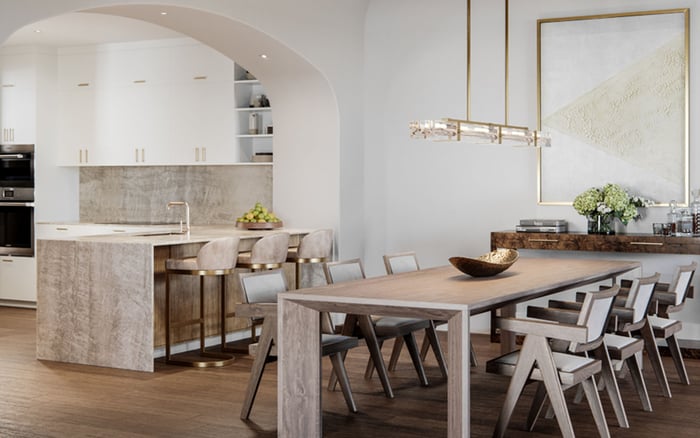
Inside the residence, family buyers should examine plan logic closely. Split bedrooms can preserve privacy for parents and older children. A den may become a homework room, music room, tutor space, or nanny suite. Service entries, oversized laundry areas, mudroom-style storage, and parking convenience matter more than they may appear to during a first showing.
Amenities deserve the same practical lens. A pool is valuable, but so is shaded seating where a parent can take a call. A wellness suite is attractive, but only if it fits the family’s actual schedule. Security, controlled access, pet policies, guest procedures, and staff circulation all influence whether a residence feels effortless.
For Brickell buyers, the calculus is often about balancing urban sophistication with school-day discipline. The neighborhood can work well for families who want a vertical lifestyle, strong dining access, and proximity to business commitments, provided the building and floor plan can absorb the intensity of weekday life.
Coconut Grove and Coral Gables remain natural reference points for families who want a more residential tempo while staying close to Miami’s cultural and business life. Their appeal is not based on spectacle. It is rooted in shade, scale, established streets, and the sense that children can grow within a neighborhood rather than simply occupy an apartment.
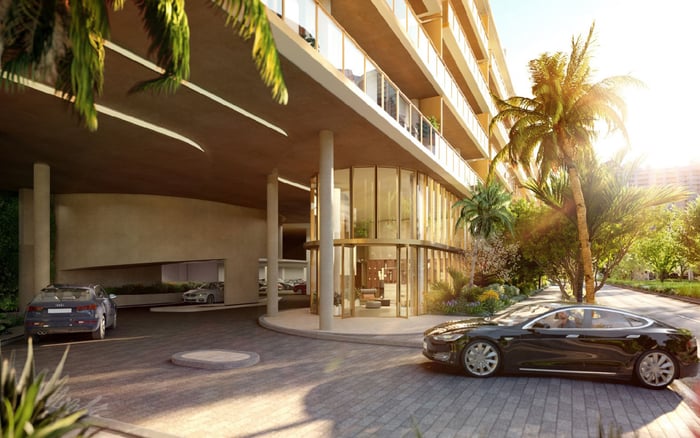
In Coconut Grove, buyers often gravitate toward residences that feel house-like in proportion. Projects such as Four Seasons Residences Coconut Grove speak to families seeking service and privacy without abandoning a village sensibility. The most compelling homes in this area tend to offer a softer transition between indoor and outdoor life, which can be especially valuable after structured school days.
Coral Gables appeals to families who prize architecture, order, and a composed civic character. The attraction is not only the address, but the feeling of permanence. The Village at Coral Gables fits naturally into conversations with buyers who want a residential setting at a more intimate scale than many high-rise corridors. For families comparing Coconut Grove, Coral Gables, and Pinecrest, the decision often comes down to the desired balance of privacy, walkability, and daily travel patterns.
For some families, the strongest school-focused move leads north. Boca Raton and the Palm Beach corridor can appeal to buyers who want a calmer base, larger-feeling surroundings, and a residential culture that accommodates family life with fewer compromises. The tone is often more settled, with an emphasis on privacy, clubs, wellness, and long-term roots.
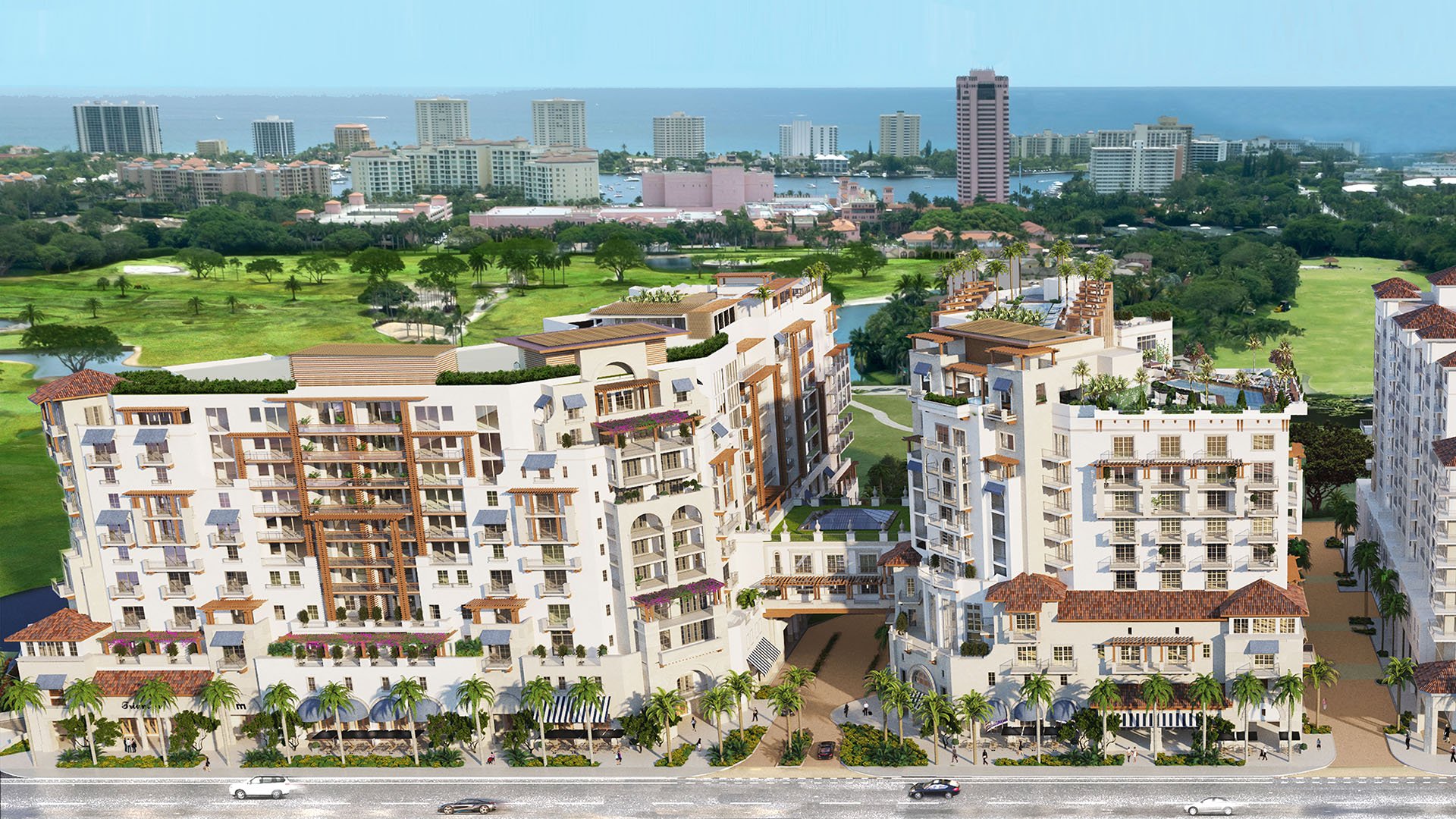
In Boca Raton, Alina Residences Boca Raton is relevant for buyers who want a sophisticated condominium lifestyle within a city known for refined residential planning. This type of choice can suit families who are finished with the maintenance burden of a large estate but still want space, service, and a polished environment.
West Palm Beach offers a different proposition. It can work for families who want cultural access, waterfront orientation, and proximity to Palm Beach while maintaining a more contemporary residential rhythm. The area’s appeal for private-school-oriented buyers is often tied to the ability to live elegantly without making every family decision feel Miami-centric.
The broader Palm Beach County conversation is particularly compelling for families considering a longer horizon. A residence here may serve as the primary base through the school years, then remain relevant as children leave for college and parents transition into a more seasonal or hospitality-driven lifestyle.
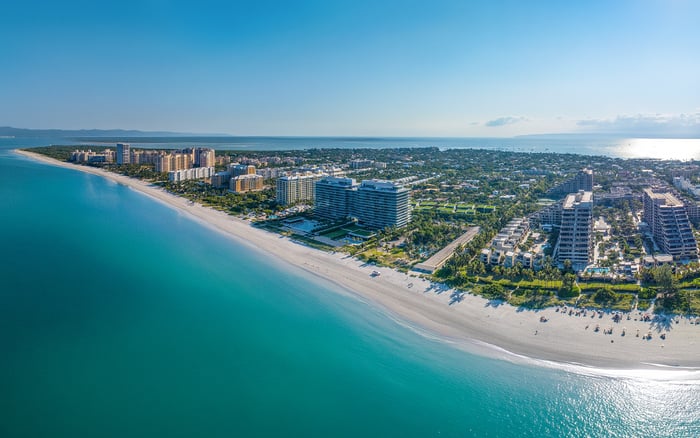
Bay Harbor Islands, Surfside, and the northern beach corridor offer a distinctive middle ground. Families can be near the water while maintaining a quieter residential profile than more nightlife-oriented areas. The appeal is intimate, discreet, and often practical: shorter local errands, a neighborhood scale, and access to beach and bay settings without feeling overexposed.
Bay Harbor Towers is an example of the kind of address families may consider when they want a boutique environment rather than a resort-scale statement. In this corridor, the decision often hinges on how much a family values walkable calm, waterfront proximity, and a smaller community feel.
Surfside and Bal Harbour can also enter the conversation for buyers who want refined coastal living. The key is to evaluate whether the residence supports a school week, not only a weekend. A beautiful beach address must still handle backpacks, sports bags, visiting friends, deliveries, drivers, and the daily friction of a full household.
The ideal school-oriented purchase is not frozen around one admissions year. A young family may need play space and caregiver flexibility. A family with middle-school children may need study areas, privacy, and better separation between bedrooms. Teenagers require independence, secure transportation, and spaces where friends can gather without overtaking the entire home.
This is where luxury becomes less about finish level and more about adaptability. Can a media room become a study lounge? Can a guest suite support grandparents during admissions events or graduation weekends? Is there enough terrace space for fresh air after long days? Does the building staff understand family routines with discretion?
The best residences also protect parental life. Families focused on schools still need beauty, wellness, entertaining, and quiet. A home that only solves the child’s schedule can feel narrow. A truly successful address supports the entire household, preserving adult refinement while making children’s logistics feel natural.
Before committing, families should rehearse an ordinary Tuesday. Leave at the time the school run would actually begin. Return during afternoon activity windows. Test the route to sports, tutoring, dining, airports, medical appointments, and grandparents. Walk the parking sequence, lobby arrival, elevator ride, and service access as if carrying bags and managing children.
Then study the residence itself. Prioritize storage, bedroom separation, acoustic privacy, staff functionality, guest flexibility, and safe outdoor space. Ask how the building handles visitors, deliveries, drivers, pets, and after-school guests. Consider whether common areas feel appropriate for children without compromising the atmosphere adults expect.
Finally, think about resale through a family lens. Residences that combine strong plans, privacy, service, and logical location tend to remain legible to future buyers. In South Florida’s upper tier, family livability is not a secondary category. It is one of the quietest forms of value.
Should families choose the closest residence to a private school? Not always. The best choice balances proximity with route predictability, building privacy, floor plan functionality, and the family’s broader lifestyle.
Is a condominium practical for families with school-age children? Yes, if the plan offers separation, storage, secure arrival, and amenities that match the household’s daily routine.
Which areas are most relevant for school-focused luxury buyers? Coconut Grove, Coral Gables, Boca Raton, West Palm Beach, Bay Harbor Islands, Surfside, and select urban neighborhoods such as Brickell can all be relevant depending on the family.
How important is outdoor space? Outdoor space is highly valuable when it is usable, shaded, private, and connected naturally to family living areas.
Should buyers prioritize a single school or a flexible location? Flexibility is often wiser. Children’s needs change, and a residence should remain practical if school plans evolve.
Are full-service buildings better for busy families? They can be, especially when security, valet, maintenance, package handling, and staff coordination reduce daily friction.
What floor plan features matter most? Split bedrooms, dens, service areas, laundry capacity, guest suites, and acoustic separation are especially important for family life.
Can beach residences work for school-year living? Yes, when the building and neighborhood support weekday logistics rather than only leisure and entertaining.
How should families compare Miami-Dade and Palm Beach County? The comparison should focus on school routes, parental work patterns, extended family, lifestyle preferences, and long-term plans.
What is the biggest mistake school-focused buyers make? They sometimes optimize for one admissions moment instead of choosing a residence that can serve the family for many years.
When you're ready to tour or underwrite the options, connect with MILLION.
If branded residences are on your mind — as a home or as an allocation — we would be glad to share what we are seeing, privately.
Begin a quiet conversation