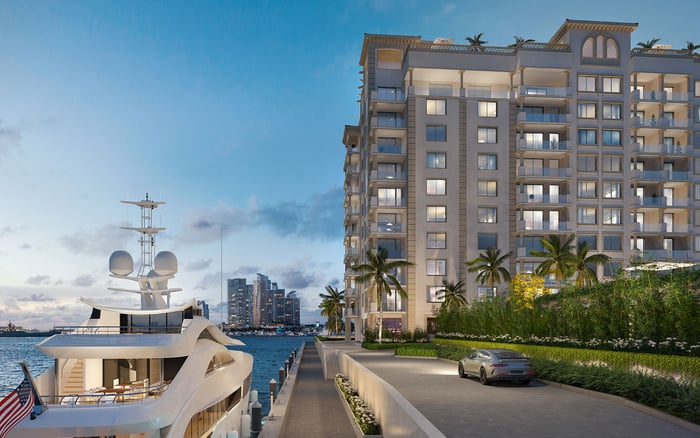
For yacht owners, the right South Florida condominium is defined by more than a water view. This 2026 buyer’s guide frames the essential review of marina arrangements, vessel logistics, building resilience, insurance, emergency planning, and ownership documents before selecting a luxury residence.
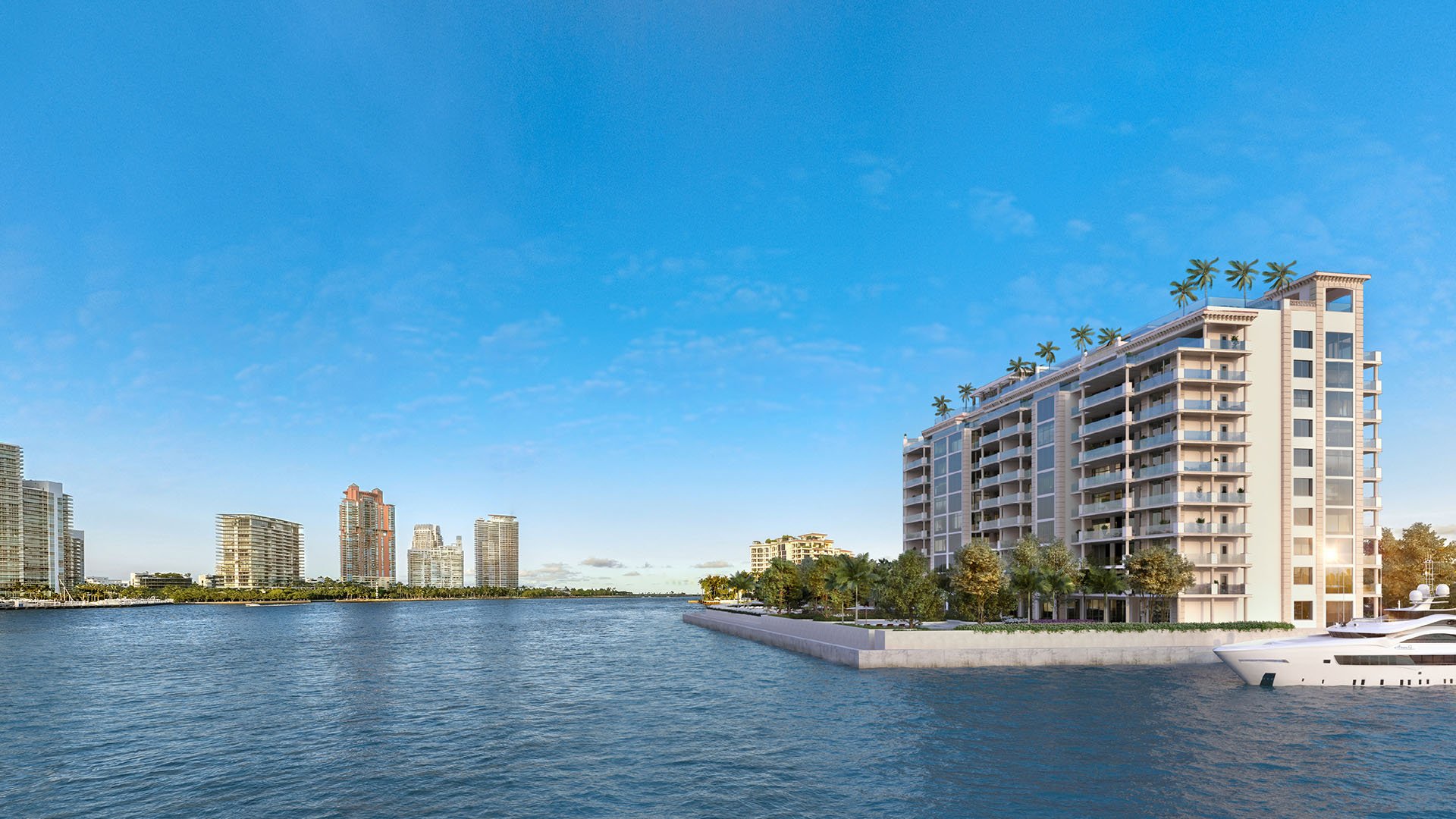
For a yacht owner, a South Florida condominium is not simply a home with a waterfront outlook. It is one component of a larger operating system encompassing the vessel, dockage, crew or service access, insurance, transportation, provisioning, and storm preparation. The best purchase is therefore the residence that makes this system more dependable, not merely more photogenic.
Marina access also demands precise definition. A private slip conveyed with a residence, a separately assigned slip, a club membership, and proximity to a third-party marina are materially different propositions. Buyers should establish the legal and practical arrangement before allowing panoramic views or a branded amenity program to shape the decision.
Begin with the vessel, not the condo. Record its length, beam, draft, height, shore-power needs, tender arrangements, and service requirements. Then determine whether the contemplated dockage can accommodate the yacht today-and whether the rules permit a future vessel with a different profile.
The documentary review should establish whether dockage is deeded, licensed, leased, assigned, or subject to availability. It should also address transfer rights, waitlists, guest vessels, liveaboard restrictions, fueling, deliveries, contractors, crew access, parking, security, and operating hours. A residence may be beautifully positioned yet remain unsuitable if the yacht relationship depends on an arrangement that is revocable or nontransferable.
In Fort Lauderdale, buyers evaluating St. Regis® Residences Bahia Mar Fort Lauderdale can apply this framework to distinguish the residential proposition from the exact dockage rights relevant to a specific purchase. The same discipline applies throughout Broward: confirm the agreement, the slip, and the route rather than relying on the broad promise of a nautical lifestyle.
Storm readiness should be evaluated at three levels: the residence, the building, and the yacht. For the residence, examine glazing, shutters where applicable, terrace procedures, water-management provisions, backup systems, and the owner’s responsibilities before an event. For the building, request emergency plans, generator scope, elevator protocols, staffing expectations, access controls, post-event inspections, and procedures for prolonged utility interruptions.
The yacht requires its own written plan. Determine who has authority to move it, when relocation decisions are made, where it may go, which contractors are permitted, and how the plan interacts with marina rules. Ownership becomes more resilient when the building team, dock operator, captain, insurer, and owner understand their respective roles well before severe weather approaches.
Insurance warrants equal attention. Buyers should obtain advice regarding the unit, personal property, liability, wind exposure, flood exposure, and any assessment risk, while separately reviewing yacht and dockage requirements. Coverage, deductibles, exclusions, and binding conditions can differ, making assumptions based on another owner’s policy no substitute for transaction-specific review.
The most useful shortlist begins with the owner’s boating pattern. A buyer who departs frequently may prioritize direct access among home, vehicle, and vessel. An owner who uses a captain may place greater emphasis on crew access, service coordination, and secure provisioning. Someone who cruises seasonally may assign more weight to storm relocation and long-absence management.
In the northern market, The Ritz-Carlton Residences® Palm Beach Gardens and The Residences at Mandarin Oriental Boca Raton may serve as starting points for buyers comparing Palm Beach County options. Neither a project name nor a location should replace confirmation of the precise marina relationship, vessel suitability, and storm procedures attached to the contemplated residence.
Farther south, buyers considering island and coastal living might place Onda Bay Harbor alongside other Miami-area candidates. Those drawn to Miami Beach can similarly examine The Ritz-Carlton Residences® Miami Beach. The decisive questions remain specific: What right is acquired? What vessel can be accommodated? What route constraints apply? What happens before and after a storm?
A serious review should extend beyond sales materials. Ask counsel to examine the declaration, bylaws, rules, budgets, reserve information, insurance materials, meeting records, dock or marina agreements, transfer restrictions, and pending or contemplated capital work. If dockage is controlled by a separate entity, its documents require independent scrutiny.
Operational diligence should include a physical visit with the yacht’s specifications in hand. Inspect access among the residence, parking, loading areas, and dock. Discuss deliveries, contractor entry, pets, tenders, equipment storage, and after-hours procedures. Consult the appropriate professionals about navigation, bridge or depth considerations, and storm relocation. These details determine whether ownership feels effortless during ordinary weeks and organized during difficult ones.
The best condo for a yacht owner is one that passes four tests. First, the legal right to dock or access a marina is clear. Second, the vessel and route are operationally compatible. Third, the building and yacht have coordinated storm plans. Fourth, the total carrying structure-including the residence, dockage, insurance, maintenance, and possible assessments-remains acceptable.
Luxury in this category is measured by certainty. Architecture, service, and views matter, but the enduring premium lies in knowing how the property functions when the owner arrives late, the captain needs access, maintenance is scheduled, or weather changes the plan.
Does a waterfront condo automatically include a boat slip? No. Waterfront positioning and legally documented dockage rights are separate matters that require verification.
What marina documents should a buyer request? Request the applicable dock agreement, rules, fee schedule, insurance requirements, transfer terms, and any waitlist provisions.
Should the yacht be measured before beginning the condo search? Yes. Length, beam, draft, height, power needs, and tender arrangements help define suitable dockage.
Can a slip transfer with the condominium? It depends on the governing documents and the form of the dockage right. Counsel should confirm transferability in writing.
What should a building storm plan address? It should address staffing, access, elevators, backup systems, inspections, communications, and owner responsibilities.
Does the yacht need a separate storm plan? Yes. The plan should identify decision authority, timing, contractors, relocation options, and marina requirements.
Why review insurance before signing a contract? Early review can clarify coverage availability, deductibles, exclusions, binding conditions, and the likely ownership structure.
Are marina fees always included in condo assessments? Not necessarily. Dockage may involve separate fees, utilities, memberships, assessments, or third-party charges.
Is proximity to a marina enough for a frequent boater? Sometimes, but frequent users should also assess parking, loading, provisioning, crew access, security, and travel time.
Who should advise on a yacht-oriented condo purchase? Buyers commonly need coordinated guidance from real-estate counsel, insurance advisers, marine professionals, inspectors, and tax advisers.
For a confidential assessment and a building-by-building shortlist, connect with MILLION.
If branded residences are on your mind — as a home or as an allocation — we would be glad to share what we are seeing, privately.
Begin a quiet conversation