A collector-focused Palm Beach shortlist that weighs waterfront setting against the less visible essentials: controlled daylight, discreet security, environmental stability, installation logistics, and privacy.
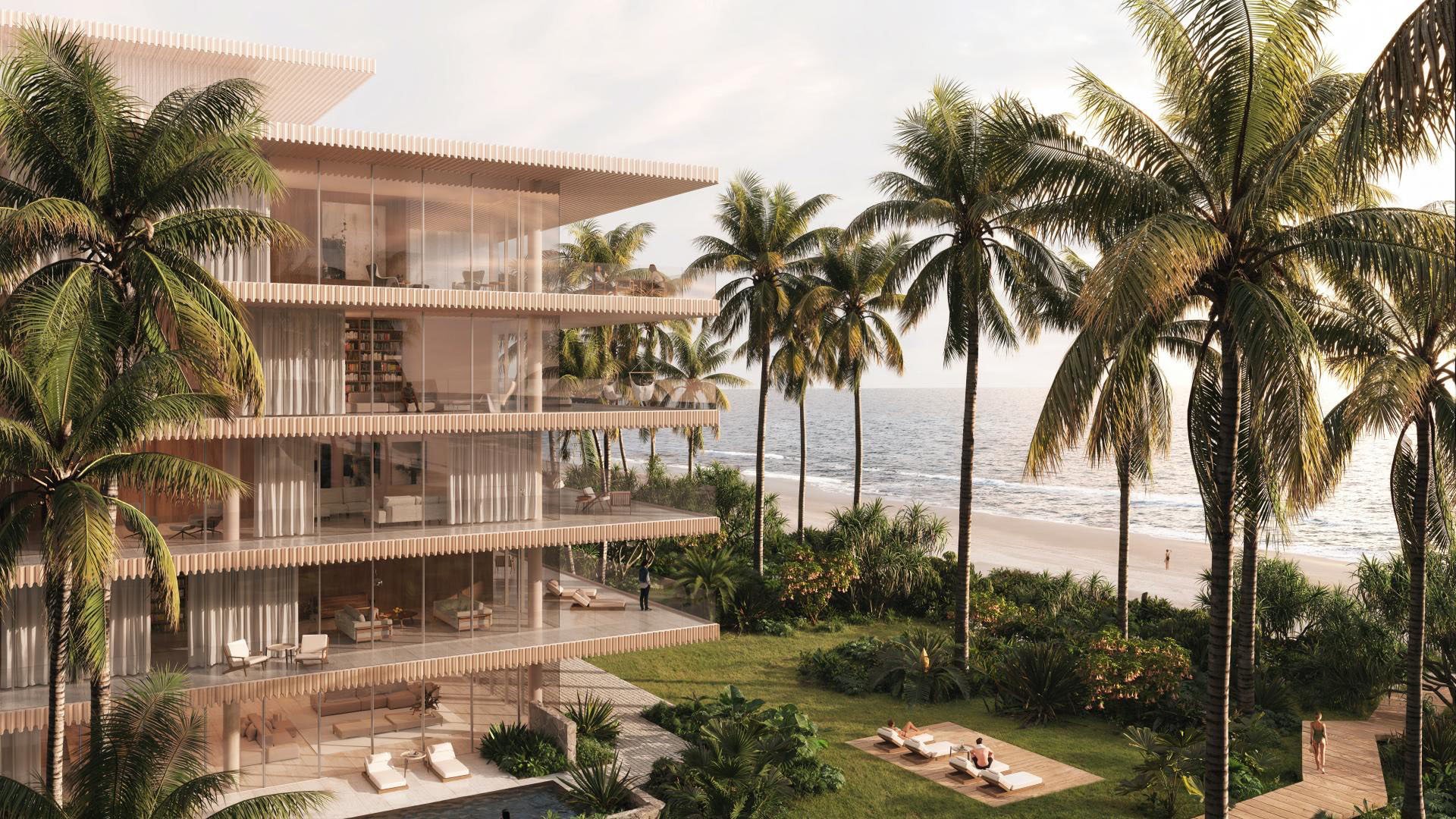
For an art collector, a Palm Beach waterfront residence must do more than frame the Intracoastal. Glass, exposure and dramatic views may shape the first impression, but the lasting decision turns on quieter attributes: privacy, controllable daylight, discreet security, stable interior conditions and a practical route for moving important works into the home.
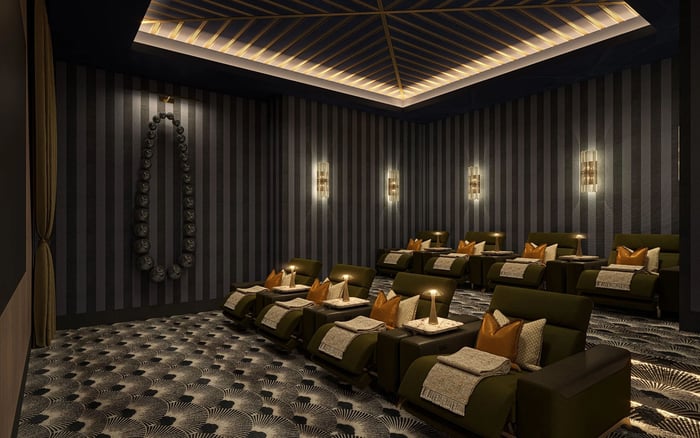
Light should be treated as a design material, not an unqualified amenity. UV-resistant glazing can filter natural light and help protect displayed art, while custom window treatments add another layer of control throughout the day. Gallery-inspired tracks and recessed fixtures can illuminate individual works without visually competing with them.
The same discipline applies behind the walls. Hidden HVAC equipment can preserve a clean gallery aesthetic while supporting environmental control. Concealed sensors and reinforced glazing can add security without making a residence feel institutional. In this context, waterfront living is most compelling when exposure and openness can be precisely moderated.
These three residences stand out for their waterfront positioning or relevance to buyers prioritizing space, light and privacy. They form a focused editorial shortlist rather than a numerical comparison of undisclosed technical specifications.
1. South Flagler House: ultra-luxury West Palm Beach waterfront living
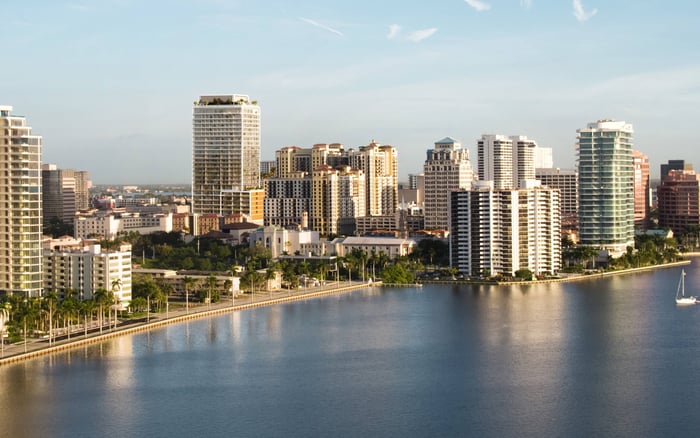
South Flagler House is positioned as an ultra-luxury waterfront condominium development in West Palm Beach. For collectors, its relevance begins with setting and residential caliber, then depends on residence-specific confirmation of glazing, shade infrastructure, art walls, service access and environmental controls.
2. Mandarin Oriental Residences, West Palm Beach: a branded waterfront option
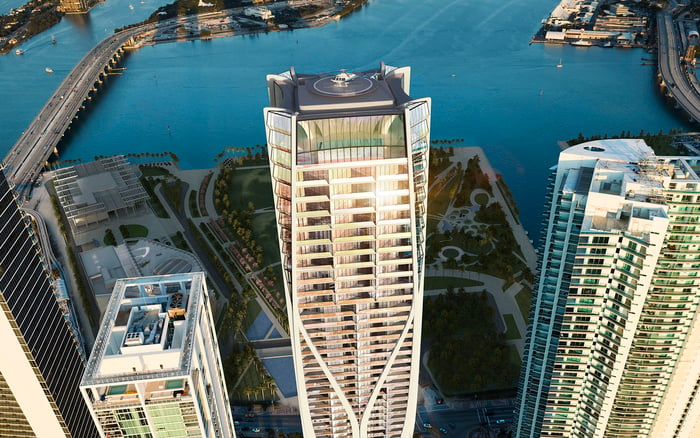
Mandarin Oriental Residences, West Palm Beach brings a recognized branded-residence proposition to the city’s luxury waterfront market. Collectors should look beyond service language to assess whether a particular floor plan provides protected walls, controllable exposures and discreet circulation for installers, conservators and collection managers.
3. The Ritz-Carlton Residences, Palm Beach Gardens: Intracoastal scale and privacy
The Ritz-Carlton Residences, Palm Beach Gardens is a 27-story waterfront tower with 138 private residences. Its Intracoastal location appeals in part to yacht-oriented buyers, while the homes emphasize space, light and privacy, making the development particularly relevant to a collector’s search.
In January 2023, residences were stated to start at $4 million. That figure reflects historical launch pricing, not current inventory or asking prices.
At South Flagler House West Palm Beach, the decisive question is not simply how much glass faces the water. It is whether that glass, together with the planned shading system, can protect a collection through changing seasonal and daily exposure. Buyers should request exact specifications rather than infer performance from renderings.
Mandarin Oriental Residences, West Palm Beach belongs in the branded-residences conversation, but collectors require a more technical review than hospitality credentials alone provide. Each room should be assessed for uninterrupted display surfaces, fixture placement, HVAC integration, privacy and the ability to separate service activity from principal living spaces.
Farther north, The Ritz-Carlton Residences® Palm Beach Gardens combines an Intracoastal address with a limited count of 138 private residences. Its emphasis on space, light and privacy is appealing, although every collector should still verify conditions within the specific home under consideration.
A water view can be preserved without allowing uncontrolled sunlight to dictate where art may hang. The preferred strategy combines suitable glazing, layered shades and programmable artificial lighting. Blackout capability may be appropriate in certain rooms, while filtered daylight can serve others. The objective is flexibility, especially as a collection rotates.
Wall construction deserves equal attention. Buyers should confirm wall-load capacity, identify mechanical runs and determine where backing can be added. Track lighting and discreet recessed fixtures can provide adaptable illumination, but their layout should respond to actual works, not generic furniture plans.
Environmental stability is another essential design and architecture consideration. Hidden HVAC may maintain visual calm, yet collectors need to understand how temperature and humidity are managed and monitored. Backup power, sensor placement and alert protocols should be reviewed before valuable works are installed.
Privacy begins before the front door. Elevator use, service circulation, loading procedures and staff access all affect whether acquisitions can arrive discreetly. A secure residence can incorporate concealed sensors and reinforced glazing, but the equipment should be coordinated with the interiors so protection does not compromise presentation.
Request elevator dimensions, weight restrictions, approved delivery hours and insurance requirements. Large canvases and sculptures can expose logistical constraints invisible on a floor plan. Alteration rules also matter, particularly when adding wall reinforcement, specialized shades, lighting controls or environmental monitoring.
Palm Beach buyers should conduct this review for the exact residence, not merely the building. Orientation, floor level and interior configuration can materially change daylight, privacy and installation options within the same development.
What makes a waterfront residence suitable for an art collector? The strongest candidates combine privacy, controlled daylight, discreet security, stable interior conditions and workable art-delivery routes.
Is floor-to-ceiling glass inherently unsuitable for art? No. Its suitability depends on verified glazing performance, exposure and the ability to deploy effective custom shades.
Why is UV-resistant glazing important? It can filter natural light and help protect displayed works, although buyers should confirm the precise glass specification.
What lighting works best in a residential gallery setting? Adjustable track systems and discreet recessed fixtures can focus illumination on individual works without dominating the room.
Should HVAC equipment be visible? Hidden equipment can support a clean gallery aesthetic, provided the system also delivers appropriate environmental control.
How can security remain visually discreet? Concealed sensors and carefully integrated protective measures can secure a collection without disrupting the interior language.
Is reinforced glazing worth considering? It offers an additional physical-security measure, but its specification and compatibility with the residence should be verified.
What logistics should be checked before purchase? Confirm elevator dimensions, loading procedures, delivery restrictions, wall-load capacity and approved alteration protocols.
Does a higher floor always provide more privacy? Not necessarily. Higher floors may alter exposure and sightlines, so privacy and daylight should be evaluated in the specific residence.
Which Palm Beach residence is definitively best for collectors? The right choice depends on the collection, exposure, floor plan and verified technical systems rather than branding or views alone.
For a tailored shortlist and next-step guidance, connect with MILLION.
If branded residences are on your mind — as a home or as an allocation — we would be glad to share what we are seeing, privately.
Begin a quiet conversation