A buyer-focused Palm Beach residence shortlist framed by the privacy, access-control, retention and non-app alternatives that merit verification before closing.
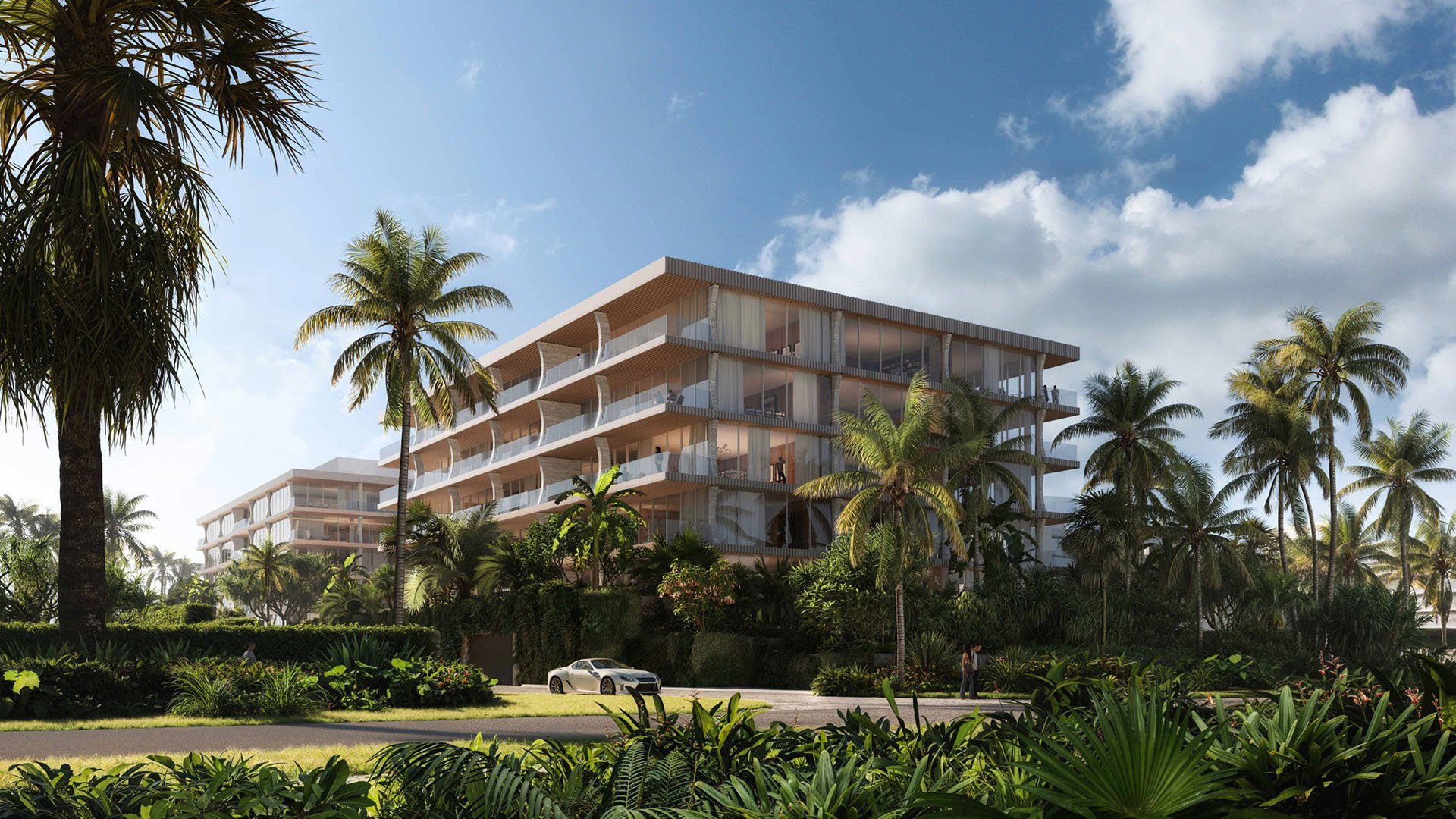
In Palm Beach, residential security has traditionally been expressed through visible cues: an attended arrival, a composed lobby and discreet staff who recognize residents without ceremony. The contemporary layer is less visible. Guest names, vehicle details, arrival times, delivery instructions and amenity requests may now pass through a building app or visitor-management system before anyone reaches the porte cochère.
For buyers, that convenience deserves the same scrutiny as title documents, association rules and operating budgets. A polished interface does not, by itself, establish strong privacy. More revealing questions concern who receives the information, how long it remains available, which administrators can retrieve it and whether residents can remove it.
The finest arrival experience is both effortless for guests and disciplined with their data.
This is particularly relevant in a waterfront residence, where valet, dock, delivery, vendor and household-staff interactions may create a broader digital record. A gated-community setting can add vehicle credentials, plate images or transponder histories. Neither format is inherently more private; the distinction lies in the controls behind the service.
The following residences form a focused buyer shortlist for evaluating guest registration and building-app governance. Inclusion is not a certification of any particular platform or privacy standard. Current systems, contracts and day-to-day practices should be confirmed directly before closing.
1. Palm Beach Residences - island-focused candidate
For buyers beginning on the island, Palm Beach Residences is a logical first point of inquiry. Ask whether guest approval is resident-controlled, staff-mediated or shared between the two-and whether recurring guests can receive limited authorization rather than indefinite access.
2. Mandarin Oriental Residences, West Palm Beach - branded-service candidate
In a service-led residential experience, the boundaries among access, concierge activity, deliveries and amenities are especially important. Buyers should establish whether these functions occupy a single account and data environment or remain separated by purpose and permission.
3. The Ritz-Carlton Residences West Palm Beach - hospitality-oriented candidate
Where residential service meets digital convenience, confirm which staff roles can view guest histories and whether that access is logged. The essential issue is not simply whether an app exists, but how privileges are assigned and reviewed.
4. South Flagler House West Palm Beach - Flagler Drive candidate
Buyers considering this residence should request a demonstration built around ordinary scenarios: a dinner guest, a contractor, a driver and a multiday visitor. Each should have a clear authorization path, a defined expiration point and an understandable arrival record.
5. Forté on Flagler West Palm Beach - additional diligence candidate
This option belongs on a comparative tour for buyers who want to examine how different residences explain privacy. Request written answers about retention, deletion, breach notification and alternatives for residents who prefer not to rely on a smartphone.
Modern visitor systems can allow residents to add, edit and delete guest details through a computer or mobile device. They may send arrival notifications and maintain histories involving guests, registered vehicles, decals and transponders. Other configurations enable residents to authorize visitors before arrival through an app or website, with approvals visible to gate or front-desk personnel.
More elaborate security arrangements can combine resident-created guest lists with license-plate recognition, cameras, two-way audio and remote verification. Some systems capture identification and plate images while recording check-in and check-out times. These functions can create a more structured audit trail than a paper guest book, but they also increase the sensitivity of the information held.
The best buyer question is therefore not, “Does the building have controlled access?” It is, “What information does controlled access create?” Automated logs, temporary badges and digital credentials can improve operational consistency. They can also establish durable security records whose retention, export and administrator access demand precise limits.
A privacy-minded tour should compare residences against the same written checklist. At Palm Beach Residences, buyers can begin with the relationship between resident authorization and staff oversight. The objective is to determine whether a resident can amend a guest instruction promptly and whether expired permissions disappear from active use.
Across the water in West Palm Beach, Mandarin Oriental Residences, West Palm Beach presents another setting in which to ask how concierge, delivery and visitor interactions are partitioned. This matters because some residential apps place guest lists within a wider lifestyle environment that can also manage valet requests, packages, services and amenity activity.
At The Ritz-Carlton Residences® West Palm Beach, the conversation should extend to staff permissions. Ask which roles can search past visits, whether administrators can export records, how access is revoked when personnel change and whether every administrative action is itself logged.
A further comparison at South Flagler House West Palm Beach can focus on non-app pathways. A spouse, family member, household employee or guest may not wish to install software. Telephone authorization, staffed verification or another controlled alternative can preserve service without making app adoption compulsory.
App disclosures can vary dramatically. Residential apps may collect location, personal information and other data while encrypting information in transit and allowing deletion requests. Other visitor-registration apps may state that they neither collect data nor share it with third parties. These positions illustrate the range a buyer may encounter; they are not a substitute for reviewing current contracts.
Request the active privacy policy, the association or management contract governing the system and any schedule describing retention. Confirm whether the building, a third-party vendor or both store the data. Ask whether information leaves the United States, whether subcontractors can process it and what happens to a resident’s account and guest history after a sale.
Deletion also requires definition. Removing a name from an active guest list may not erase past arrivals, vehicle images, access logs or archived exports. Buyers should distinguish among editing current permissions, deleting an account and purging historical records. The responsible party, expected timeline and exceptions should be stated in writing.
The most valuable technology questions are often operational. Before closing, identify the actual vendor and current app version. Review the privacy policy, retention period, administrator roles, export capability, deletion process and breach-notification procedure. Confirm whether board members, management personnel, security teams and outside contractors have different levels of access.
Then test the resident experience. Can authorization be limited to a single date or time window? Can a vendor credential expire automatically? Does the resident receive an arrival notice? Is there a visible history, and can inaccurate information be corrected? If identification or plate imagery is captured, determine who can retrieve it and for how long.
Finally, assess resilience. A well-considered access program should account for a lost phone, an unavailable app, a network interruption and a guest who arrives unexpectedly. In ultra-premium living, privacy and hospitality should reinforce one another: the resident remains in control, the visitor encounters calm professionalism and the building collects no more information than its security purpose requires.
The best residence is not necessarily the one with the most elaborate app. It is the one that can explain its controls clearly, limit permissions intelligently and provide an elegant alternative when technology is unnecessary or unavailable. For a confidential review of Palm Beach and West Palm Beach opportunities through this lens, connect with MILLION.
If branded residences are on your mind — as a home or as an allocation — we would be glad to share what we are seeing, privately.
Begin a quiet conversationThe system may hold guest names, arrival times, vehicle details and other sensitive records. Its convenience should be weighed against retention, access and deletion controls.
No. Buyers should examine the current privacy policy, vendor contract, administrator permissions and actual building practices.
Depending on the system, records can include guest activity, check-in and check-out times, vehicle information, identification images, plate images, decals and transponders.
Ask how long each category of information is kept, who controls the schedule and whether archives or exports remain after an active record is removed.
Permissions determine which staff members, managers or contractors can view, search, change or export resident and visitor information.
Not necessarily. Removing an active authorization may leave prior visits, vehicle images, access logs or archived copies intact.
Yes, buyers may value a controlled alternative for guests, family members or residents who cannot or prefer not to use a smartphone app.
Yes. A broader building app may combine visitor controls with valet, deliveries, concierge requests and amenity management.
The credential should have a defined expiration point, ideally with automatic deactivation and a clear record of its use.
No. Disclosures can change and should be checked against the current vendor agreement, privacy policy and the building’s operating practices.