A buyer-focused Palm Beach County shortlist and due-diligence framework for assessing backup power, connectivity continuity, and storm-response staffing at luxury residences.
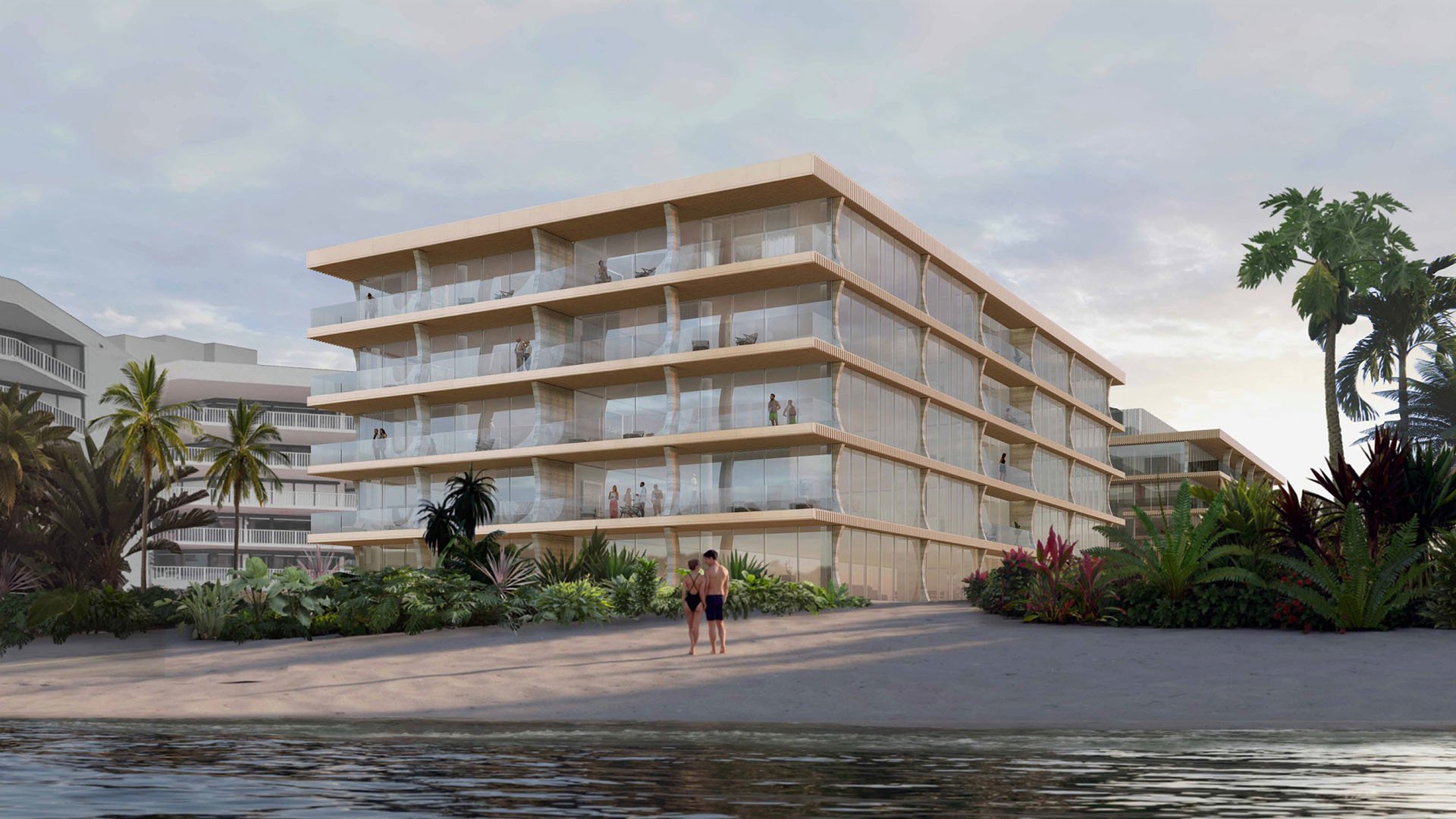
For buyers assessing a Palm Beach County residence, a broad reference to backup power is not enough to establish how the property would operate during an interruption. The useful questions concern the systems covered, the limits of that coverage, the building’s communications plan, and the people responsible for carrying out its procedures.
The same principle applies to connectivity. Power for equipment inside a property does not, by itself, establish that communications will remain available. Buyers should evaluate power and telecom planning as related but separate parts of the operating brief.
The strongest resilience review focuses on documented procedures rather than broad amenity language.
Storm-response staffing deserves equal attention. A written plan should explain responsibilities, decision-making, resident communications, access procedures, vendor coordination, and the process for assessing conditions after an event. The objective is not to assume uninterrupted service, but to understand the property’s stated preparation and operating limits.
The following residences form an editorial shortlist for buyer diligence across Palm Beach County. Their inclusion is not confirmation of comprehensive in-unit power, redundant connectivity, or any particular staffing level. Buyers should request current property-specific information and determine which representations are contractual.
At The Ritz-Carlton Residences® Palm Beach Gardens, the review should begin with a written description of emergency-power coverage. Ask management to identify covered building systems, any covered residential circuits, transfer procedures, operating assumptions, and testing documentation.
The staffing inquiry should be equally precise. Buyers can ask which roles are contemplated in the property’s storm procedures, how responsibilities are assigned, how residents receive updates, and how outside technical support is coordinated.
For Palm Beach Residences, buyers should connect the power review with access and communications planning. A useful response will distinguish between life-safety systems, common operations, telecom equipment, access controls, and any service extending to individual residences.
Request the current communication protocol and ask what alternatives management has documented if its primary channel is unavailable. Buyers should avoid treating multiple service names as proof of independent infrastructure unless the property can explain the arrangement.
The diligence brief for The Ritz-Carlton Residences® West Palm Beach should examine the property as an integrated operating environment. Ask for clear explanations of emergency power, vertical circulation, controlled entry, water-related equipment, communications spaces, and resident-notification procedures.
Management should also be able to describe how teams coordinate during preparation and recovery. The buyer’s task is to compare that stated process with personal expectations for access, comfort, communication, and assistance.
At Glass House Boca Raton, buyers should separate essential building operations from in-residence expectations. Request a system-by-system account of what the property plans to support and what may remain unavailable during an interruption.
The review should also cover testing records, maintenance responsibility, escalation contacts, resident updates, access procedures, and the role of outside vendors. Written specificity is more useful than a general statement that the building has emergency systems.
For Alina Residences Boca Raton, the inquiry should extend from equipment to execution. Ask who is authorized to make operational decisions, how residents are notified, what functions the staffing plan addresses, and how management coordinates inspections and vendor response.
Buyers should also establish whether the information applies across the property or only to designated systems and areas. Any expectation involving an individual residence should be confirmed in the applicable property and transaction documents.
A productive power review starts with the buyer’s own priorities. Make a list of functions that matter during an interruption, then ask the property to identify which of them are supported by its documented plan. Possible subjects for inquiry include cooling, refrigeration, lighting, elevators, controlled entry, water-related equipment, security, communications hardware, and charging access.
Do not infer in-unit coverage from support for common systems. Ask whether the answer applies to the entire property, selected shared areas, specific equipment, or circuits within the residence. If management describes limits or staged operation, request an explanation of how priorities are determined.
Buyers should seek the available load documentation, transfer procedures, testing records, maintenance information, and operating assumptions. A qualified adviser can help interpret technical materials and identify where a representation requires further clarification.
Connectivity diligence should address both the equipment within the property and the services on which that equipment depends. Ask whether communications rooms, distribution equipment, management systems, access controls, and resident-notification tools are included in the emergency-power plan.
Then examine continuity procedures. Which communication channels does management plan to use? What alternative is documented if the preferred method is unavailable? How will residents obtain updates if they cannot use the usual digital channel? The answers should describe the actual property process rather than a generic service promise.
If management references multiple carriers or service paths, ask it to explain whether those arrangements are operationally independent. Buyers should not assume redundancy without documentation appropriate to the decision.
Equipment cannot explain who will act, communicate, inspect, or coordinate. Request a current staffing framework that identifies responsible roles, alternates, decision authority, internal communication, resident communication, vendor contacts, and procedures for changing service levels.
Ask how the property addresses access before and after an event, how teams report building conditions, and who coordinates technical assessments. The goal is to understand both the intended response and its boundaries. A plan may be detailed without promising that every service will continue normally.
Vendor planning also merits review. Buyers can ask which responsibilities remain with property staff, which depend on outside support, and how management records escalation contacts. These questions help reveal whether the staffing narrative connects to an executable process.
A focused document request may include the emergency-power scope, available load information, transfer procedures, testing and maintenance records, telecom overview, resident-communication protocol, staffing framework, vendor contact structure, access procedures, and post-event assessment process.
For a property under development, determine which statements appear in governing or transaction documents and which remain descriptive or conceptual. For a completed residence, ask for current materials and clarify whether policies have changed. Technical and legal advisers can help buyers assess the significance of the records provided.
The strongest choice is the residence whose documented approach fits the buyer’s essential functions, communication needs, service expectations, and tolerance for interruption. No single amenity label answers that question; disciplined comparison does.
For discreet guidance evaluating Palm Beach County residences through this resilience brief, connect with MILLION.
If branded residences are on your mind — as a home or as an allocation — we would be glad to share what we are seeing, privately.
Begin a quiet conversationNo. Buyers should ask whether coverage applies to shared systems, selected areas, specific equipment, or in-unit circuits.
Request a written scope, available load information, transfer procedures, testing records, maintenance details, and applicable operating assumptions.
Powered equipment does not establish that every communications service or path will remain available. Buyers should review both internal equipment and continuity procedures.
Ask which communications systems receive emergency power, what channels management plans to use, and what alternative procedures are documented.
It should identify responsible roles, alternates, decision authority, communication procedures, vendor coordination, and access responsibilities.
Ask which duties belong to property staff, which rely on outside vendors, and how management maintains escalation contacts.
It prevents a broad resilience claim from being mistaken for support of every building function or residential need.
They should determine which resilience-related statements are included in governing or transaction documents and which remain descriptive or conceptual.
Compare each property’s documented power scope, communications procedures, staffing framework, and operating limits with personal priorities.
Qualified advisers can help interpret technical records and clarify the significance of property or transaction documents.