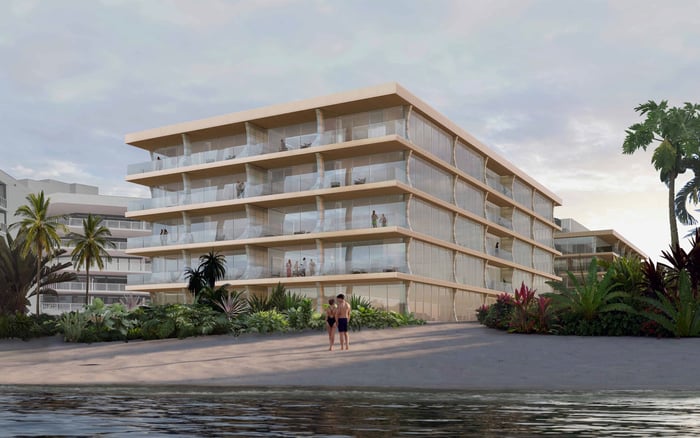
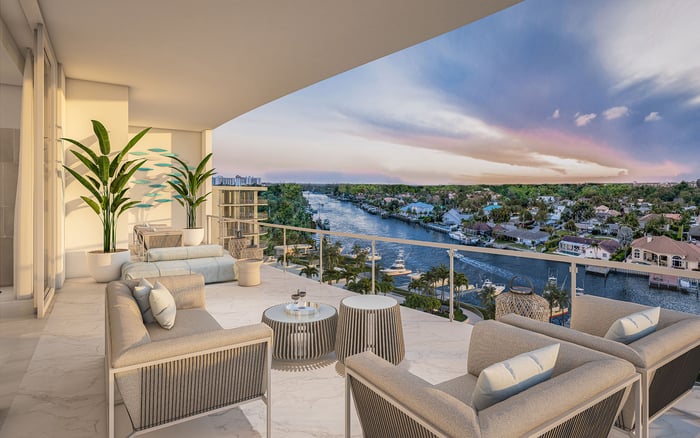
A discerning buyer’s framework for evaluating Palm Beach County condominiums through floor elevations, mechanical-system protection, flood-design documentation, and permit-specific review, without confusing compliance with comprehensive storm resilience.
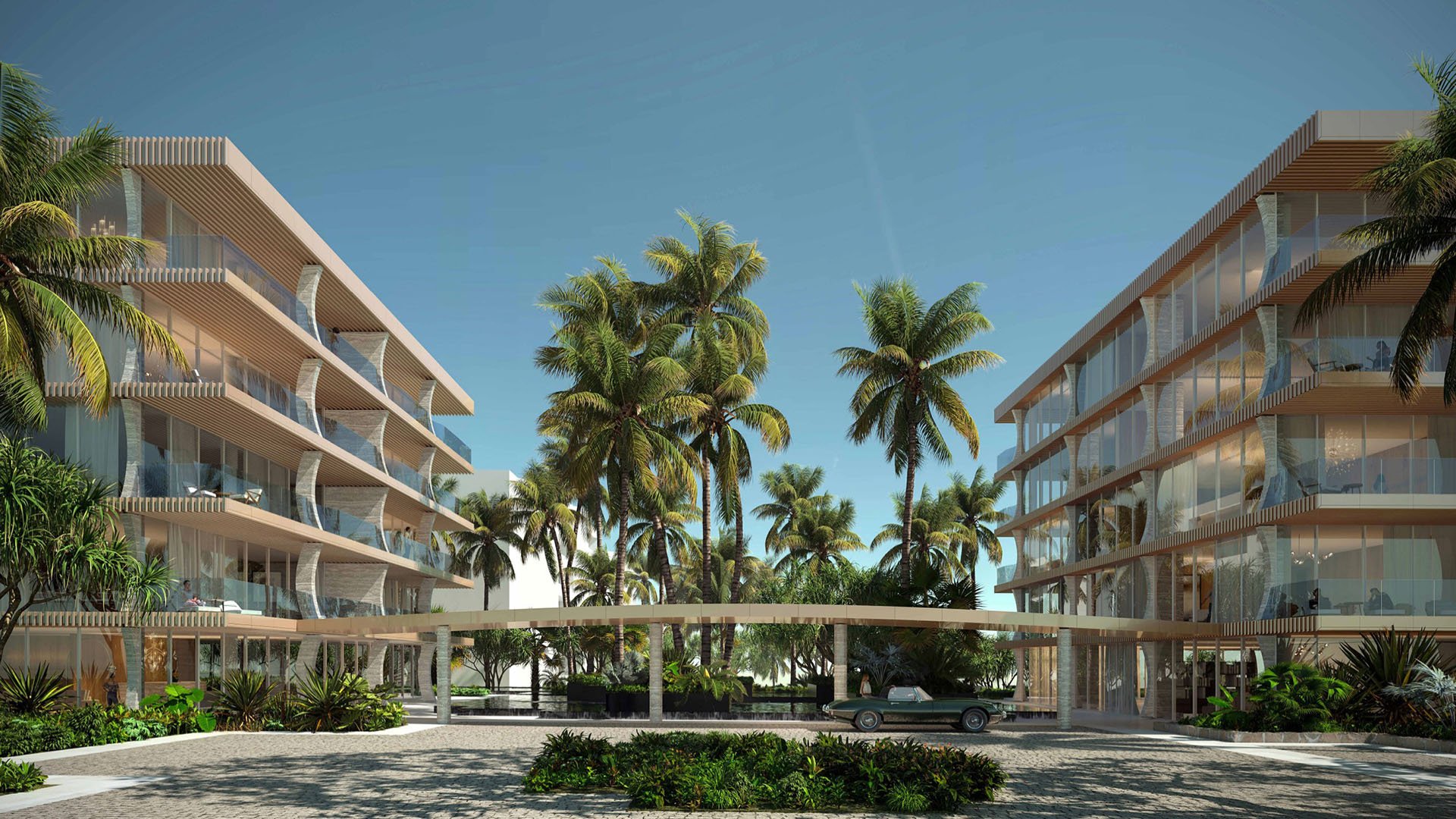
In Palm Beach County’s luxury condominium market, storm resilience warrants the same scrutiny as architecture, privacy, and service. The critical questions often lie outside the residence itself: where the lowest floor sits, how flood-sensitive equipment is positioned, and whether completed construction matches the approved flood design.
For this purchase criterion, “best” should describe a documented fit, not a promotional distinction. Floor elevation and mechanical protection can inform a flood-resilience assessment, but they neither establish a comparative ranking nor make a building storm-proof. A beautiful residence and a persuasive presentation cannot substitute for verified elevations.
Whether considering Alba West Palm Beach or another address, begin with the same disciplined request: applicable flood-design criteria, equipment-location plans, and elevation documentation. The projects referenced here are starting points for individual due diligence, not endorsements of verified resilience performance.
Before comparing numbers, confirm the permitting jurisdiction, flood zone, applicable ordinance version, and permit date. A Palm Beach County address alone does not establish which requirements govern a municipal project. Have the relevant permitting authority confirm the standards applicable to the specific building and equipment installation.
Ask the project team to identify the governing elevation requirement and explain any applicable road-crown comparison. Request the required elevations in writing, together with the project documents used to demonstrate compliance.
Do not combine requirements from different jurisdictions or permit periods into a universal specification. Nor should a flood-zone designation be treated as evidence of superior protection simply because it triggers particular construction requirements. The comparison should remain property-specific.
A buyer’s chosen floor and a building’s regulated lowest floor are separate considerations. Establish both the required elevation and the documented elevation of the lowest floor rather than relying on the residence’s position within the tower.
Request the Base Flood Elevation and Design Flood Elevation where applicable, along with an explanation of the project’s required design level. Then ask the reviewing professional to distinguish minimum compliance from any documented margin above it. Do not treat that margin as a guarantee against every storm event.
For a buyer evaluating Shorecrest Flagler Drive West Palm Beach, the questions are precise: which elevations apply, which drawings show them, and which certificates verify the work? Keep proposed design information separate from final construction documentation throughout the comparison.
Mechanical elevation warrants its own review. A broad statement that “mechanicals are elevated” should prompt a request for detail, not close the inquiry. Ask the project team to address electrical systems, HVAC, plumbing equipment, ductwork, and other service equipment, identifying which requirements apply to each.
Request equipment-location plans and have a qualified professional compare documented elevations with the governing flood-design criteria. Distinguish a general description of a mechanical room from evidence addressing the relevant equipment throughout the building.
When considering Glass House Boca Raton, apply the same equipment-by-equipment review. Neither a Boca Raton location nor a new-construction designation establishes a particular level of protection. No project-specific equipment elevation is asserted here. The purchase decision should turn on the property’s own approved and verified documentation.
Ask the permitting authority which elevation certificates are required, who may prepare them, and when they must be submitted and approved. Confirm any construction-stage and occupancy-related milestones rather than assuming one certification sequence applies to every Palm Beach County property.
For a residence purchased before completion, ask which documents are available now and which must follow at later stages. An approved plan, an intermediate construction certificate, and final elevation documentation answer different questions. Preserve that distinction when reviewing sales materials and delivery expectations.
Apply the same discipline to The Ritz-Carlton Residences® Palm Beach Gardens. A branded address does not replace a permit-specific assessment. Ask the appropriate project representatives to explain the certification sequence and arrange professional review of the final documents before treating planned elevations as verified construction.
Do not assume the original building paperwork resolves every future equipment installation. For replacement or standalone equipment work, ask whether a Mechanical, Electrical, and Plumbing Equipment Certificate or other elevation documentation is required, and confirm the submission and inspection sequence.
When a project team refers to a new flood-documentation requirement, request its effective date and written confirmation of whether it applies to the relevant permit. Distinguish current requirements from future changes rather than applying a later rule indiscriminately to earlier submissions.
For substantial improvements or proposed flood-protection changes, confirm the applicable elevation standards, permit requirements, and suitability for the building before proceeding.
A useful comparison file pairs each candidate’s governing flood criteria with its floor-elevation records, equipment plans, and certification status. Have the reviewing professional identify documented compliance, any demonstrated margin above minimum requirements, and unresolved questions. Favor clarity over adjectives.
Keep the assessment’s boundaries explicit. Flood elevation and equipment protection do not establish wind resistance, backup-power endurance, reliable access, or post-storm habitability. Each requires its own evidence. An elevation certificate is likewise not a comprehensive promise of uninterrupted building operations.
For a discerning buyer, the strongest choice is one whose relevant protections can be understood and verified, with the remaining risks considered separately. That is a more durable basis for confidence than a resilience label alone.
Explore Palm Beach County residences with a more discerning due-diligence perspective at MILLION.
If branded residences are on your mind — as a home or as an allocation — we would be glad to share what we are seeing, privately.
Begin a quiet conversationNo. It provides a property-specific screening framework; the named projects are not presented as verified resilience leaders or storm-proof buildings.
Request the governing elevation criteria and the project documents used to demonstrate compliance. Have the permitting authority or reviewing professional confirm which requirements apply.
No. Review the property’s flood-design requirements and verified construction documentation rather than treating its zone designation as proof of protection.
No. Confirm the permitting jurisdiction, applicable ordinance, flood zone, and permit date for the particular project, especially within a municipality.
Ask about electrical systems, HVAC, plumbing equipment, ductwork, and other service equipment. Request equipment-specific plans and confirmation of the requirements applicable to each.
Ask the relevant permitting authority which professionals may prepare them. Confirm submission, approval, and construction-stage requirements for the specific permit.
Request the governing flood-design criteria, equipment-location plans, and available elevation certificates. Distinguish approved plans and intermediate certificates from final construction documentation.
Ask whether an MEP Equipment Certificate or other elevation documentation is required. Confirm the applicable permit, submission, and inspection sequence rather than relying solely on original building records.
Request its effective date and written confirmation of whether it applies to the relevant permit. Do not assume a later requirement governs earlier submissions.
No. Flood-elevation evidence does not establish wind resistance, backup-power endurance, access, or post-storm habitability; those issues require separate assessment.